
 English
 中文简体
中文简体

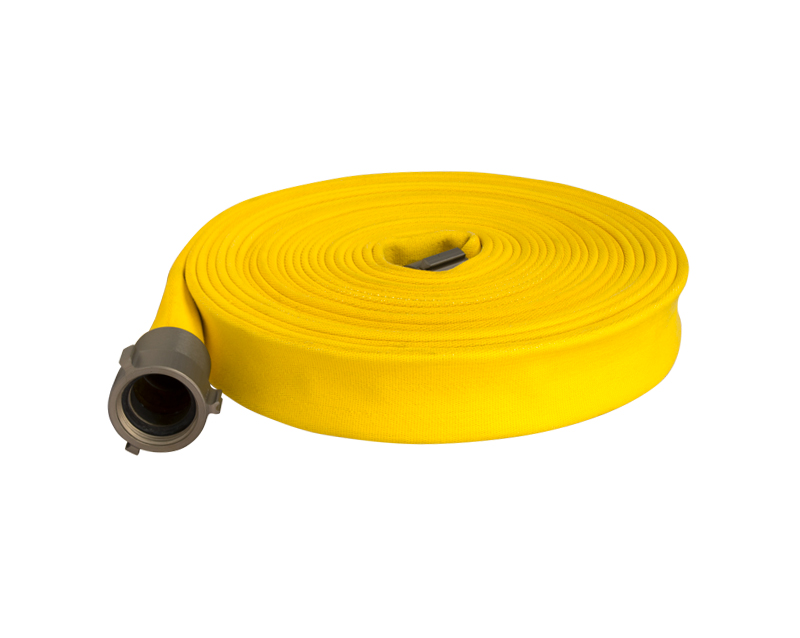
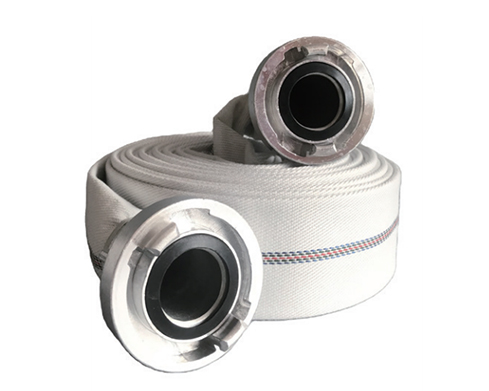
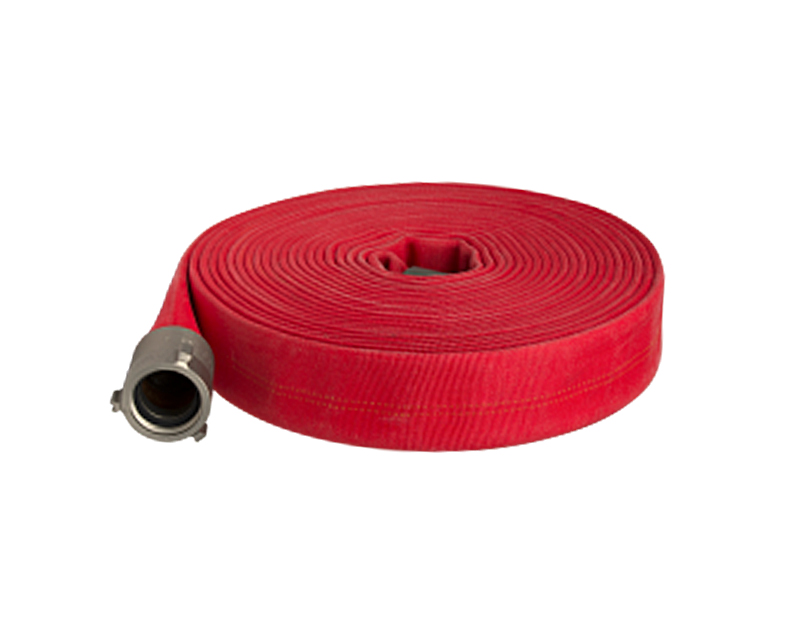
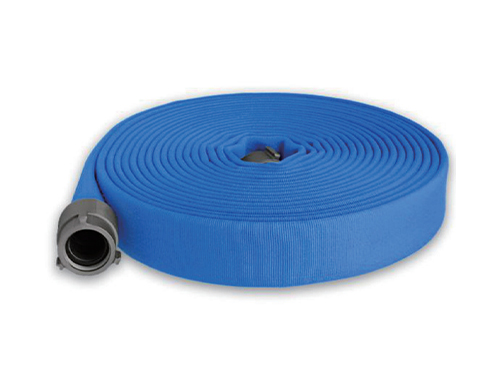
When a fire engine arrives at the scene of a fire, firefighters move quickly. They pull hoses from the truck, attach them to a hydrant, and connect sections of hose together to reach the burning building. In all this activity, one small but critical component gets used again and again: the fire hose connector. Without these connectors, water could not travel from the hydrant to the pump, then from the pump to the nozzle. Hoses would simply be long tubes with open ends.
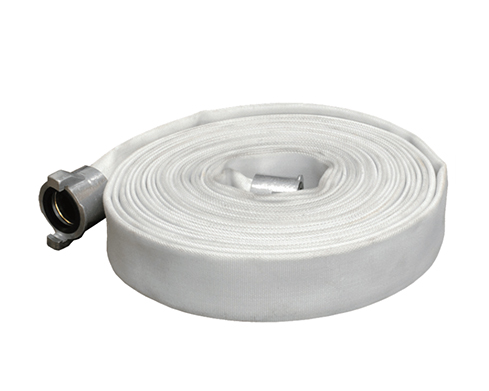
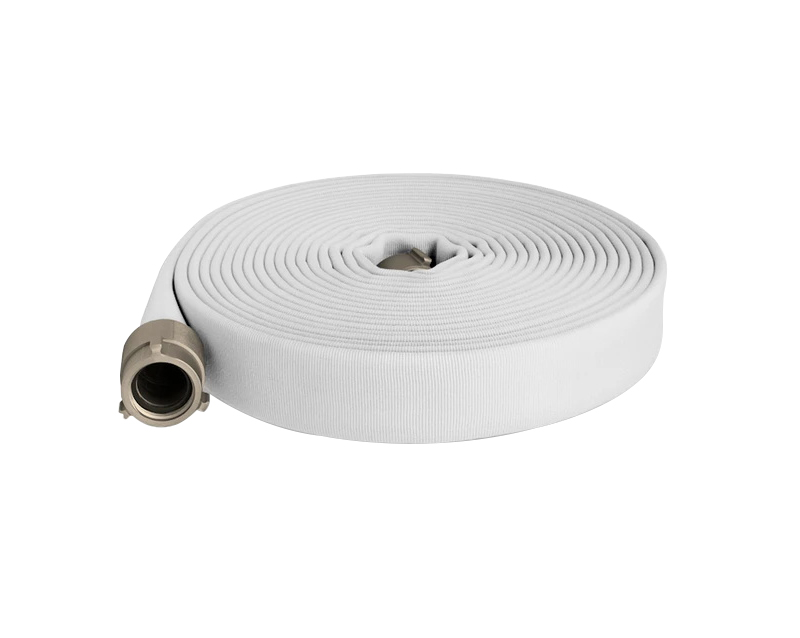
A fire hose connector is a fitting that joins two pieces of fire hose, or attaches a hose to a hydrant, a pump outlet, or a nozzle. Its basic job is simple: create a secure, leak-resistant joint that can handle high water pressure and rough handling. Firefighting hoses experience sudden surges when valves open, as well as dragging across asphalt, concrete, and rubble. The connector must stay tight under these conditions. At the same time, it needs to be easy for a firefighter wearing heavy gloves to connect and disconnect in seconds, sometimes in low visibility or at night.
Fire hose connectors come in different sizes. The common sizes are 1.5 inches (38 mm) for attack hoses, 2.5 inches (65 mm) for larger supply lines, and 4 or 5 inches (100-125 mm) for large-diameter relay hoses. Each size has a matching connector. Adapters exist to connect different sizes — for example, a 2.5-inch male to a 4-inch female. This allows a fire crew to connect a smaller attack hose to a large hydrant supply line.
The materials used for fire hose connectors need to be strong, corrosion-resistant, and not too heavy. Brass has been a traditional choice. Brass connectors resist rust, handle high pressure, and can be cast into precise shapes. The downside is weight. A brass 2.5-inch connector weighs about a pound. Multiply that by dozens of connections on a large fireground, and the total weight adds up. For this reason, many modern fire hose connectors are made of lightweight aluminum alloys. Aluminum connectors are roughly half the weight of brass while still offering good strength. Some connectors use hard anodized aluminum to improve surface hardness and corrosion resistance. Another material is a reinforced polymer (hard plastic). Polymer connectors are even lighter and do not corrode, but they may not be as durable as metal under abuse.
Fire hose connectors also include features for safety and ease of use. Most have large, ridged gripping surfaces so firefighters can turn them with wet or gloved hands. The swivel rings on threaded connectors often have a smooth or ribbed finish. Some connectors include a built-in strain relief or a protective rubber bumper to absorb impacts when the connector hits the ground. Another helpful feature is color coding. Some departments use different colors for different hose sizes or for different types of water (such as foam solution). This helps firefighters grab the right connector quickly.
Fire hose connectors are not glamorous. They do not spray water or break down doors. But they are the links in the chain that delivers water from the hydrant to the fire. A connector that fails — by leaking, seizing, or unlocking — can interrupt the water supply at a critical moment. That is why fire departments inspect their connectors regularly, keep them clean, and replace any that show cracks or worn gaskets. The next time you see a firefighter connecting hoses, take a moment to look at the connectors. Those modest metal or plastic fittings have been refined over decades to do one job reliably: get water where it needs to go, fast and without leaks.
 +86-576-83015055 / 13761638108
 Hutang Industrial Park, Taizhou City, Zhejiang,China.