
 English
 中文简体
中文简体

What Makes a Rubber Covered Fire Hose Different?
When you picture a fire hose, you might think of a simple fabric tube shooting water. But modern firefighting equipment includes a variety of hose types. Among them, the rubber covered fire hose has gained attention for its rugged design. Unlike standard jacketed hoses, this version comes with an outer layer of rubber that changes how the hose behaves on the job.
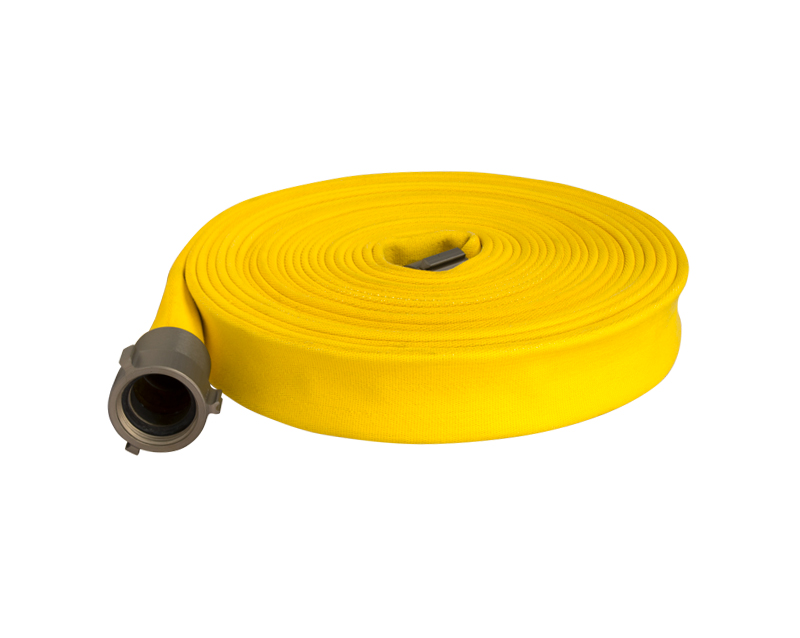
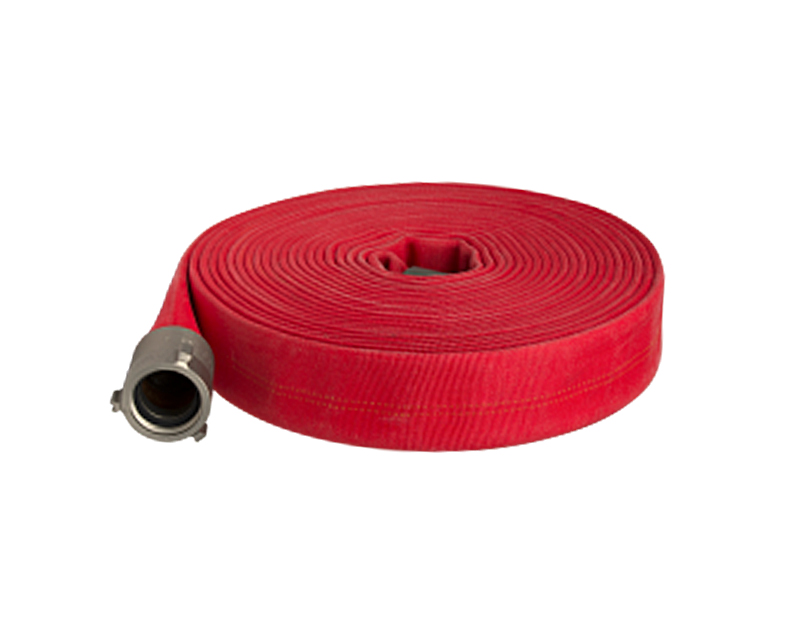
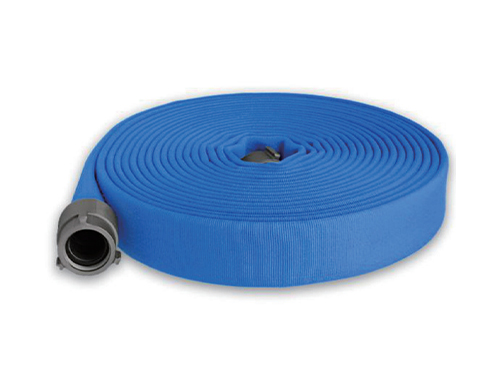
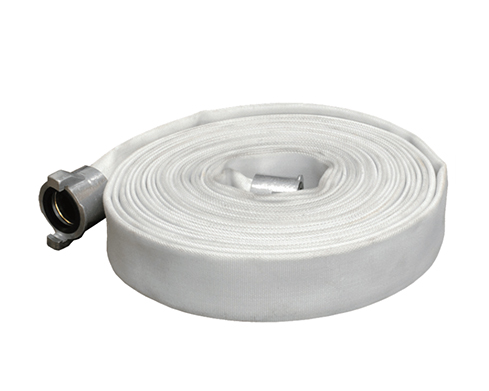
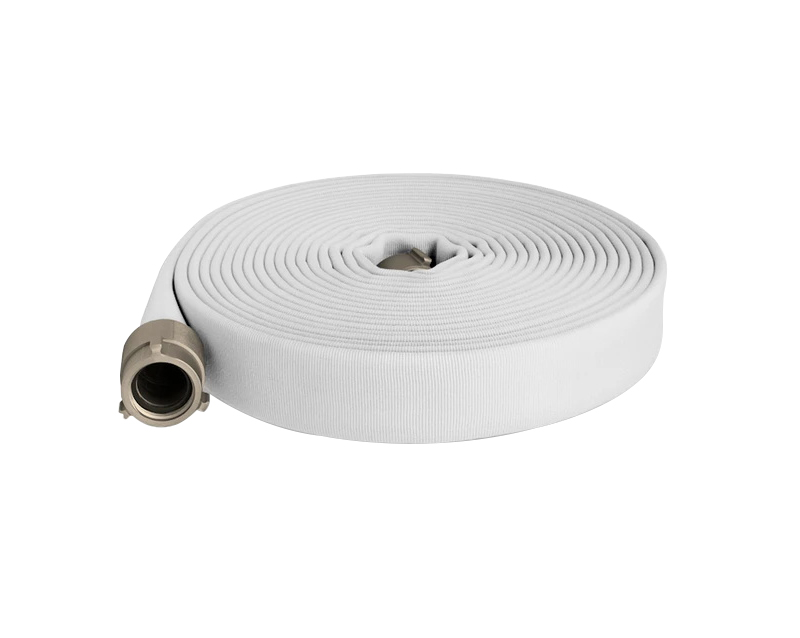
So what exactly is a rubber covered fire hose? It is a fire hose with an inner tube (often made of rubber or thermoplastic), one or more reinforcement layers (usually synthetic yarns), and an outer rubber cover. That outer cover is the key feature. It replaces the traditional woven polyester or nylon jacket.
Is a Rubber Covered Fire Hose Suitable for Tough Firefighting Tasks?
The answer depends on the environment. Rubber covered fire hoses shine in situations where the hose will be dragged across rough ground, over concrete, or around sharp corners. The rubber cover acts like a shield. It resists cuts, gouges, and abrasion better than many woven jackets.
Consider a wildfire scenario. Crews often lay hoses along rocky trails or gravel roads. A fabric-jacketed hose can fray after repeated dragging. A rubber covered fire hose, on the other hand, tends to slide more easily and show less surface damage. The rubber also offers some resistance to oils, chemicals, and UV exposure, depending on the compound used.
However, rubber covered hoses are generally heavier than their fabric-jacketed cousins. That extra weight comes from the dense rubber layer. For urban firefighting where hoses are carried up stairs or deployed quickly, some crews prefer lighter options. But for industrial fire protection, forestry work, or any setting with abrasive floors – the rubber covered version holds its own.
How Does the Rubber Covering Protect a Fire Hose During Use?
Imagine dragging a hose across a sharp metal grate. A fabric jacket might snag and begin to unravel. The rubber cover, however, has no loose fibers. It deforms slightly under pressure, then returns to shape. If it contacts a sharp edge, the rubber may get a scratch but not necessarily compromise the reinforcement underneath.
Another advantage is ease of cleaning. Mud, soot, and debris wipe off a rubber surface more easily than from woven fabric. After a messy fireground operation, crews can quickly rinse the hose and store it.
The rubber covering also provides a certain degree of slip resistance. When wet, the rubber surface still offers grip for firefighters’ hands and boots. This can be a practical safety feature when working on sloped or slick surfaces.
Can a Rubber Covered Fire Hose Handle High Temperatures?
Fire hoses, by design, operate in hot environments. The rubber cover on these hoses is formulated to withstand short-term exposure to radiant heat and occasional contact with hot surfaces. That said, no hose is fireproof. The inner water flow helps keep the hose cool. For situations with heat exposure, specialty hoses with additional thermal barriers exist. But for typical structural or outdoor firefighting, a quality rubber covered fire hose performs within expected temperature ranges.
A Practical Choice for Rough Conditions
Selecting a fire hose always involves trade-offs. Weight versus durability. Flexibility versus cut resistance. The rubber covered fire hose leans toward durability. It is not the lightest option on the market, nor is it the flexible in freezing temperatures. But when the job involves dragging hoses over sharp, abrasive, or dirty surfaces, this hose type provides a reliable solution.
Fire departments and industrial safety teams who prioritize abrasion resistance often keep rubber covered fire hoses in their inventory. For anyone facing rough terrain or heavy wear, this hose design delivers dependable performance without unnecessary complications.
 +86-576-83015055 / 13761638108
 Hutang Industrial Park, Taizhou City, Zhejiang,China.