
 English
 中文简体
中文简体

If you have ever worked with hoses in industrial settings, you know that not all hoses are created equal. Some are heavy, some are stiff, and some simply do not last as long as expected. Recently, more engineers and facility managers have been turning to textile hoses for their fluid handling needs. But what makes these hoses stand out? Let’s take a closer look.
What Is a Textile Hose?
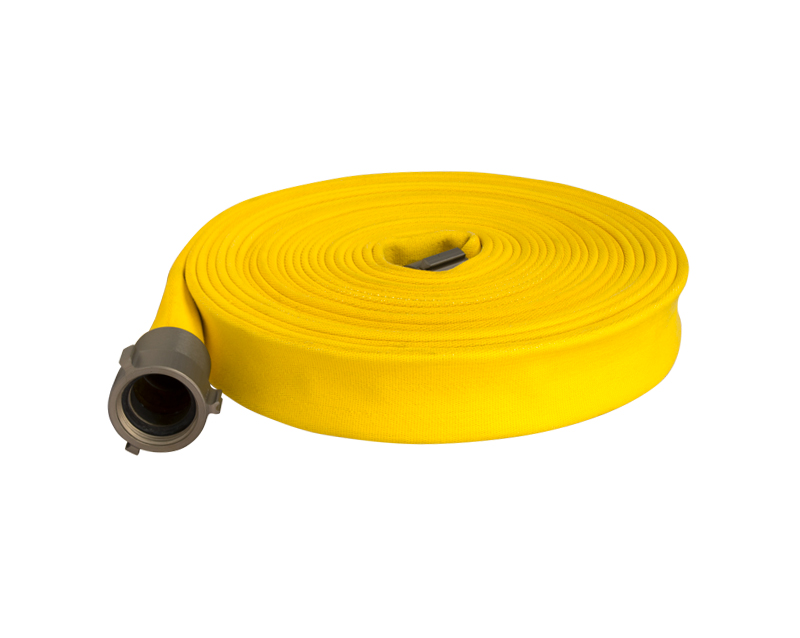
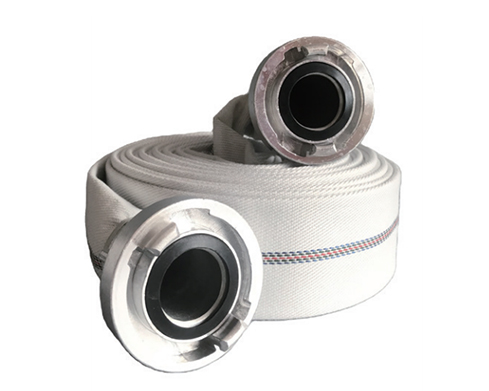
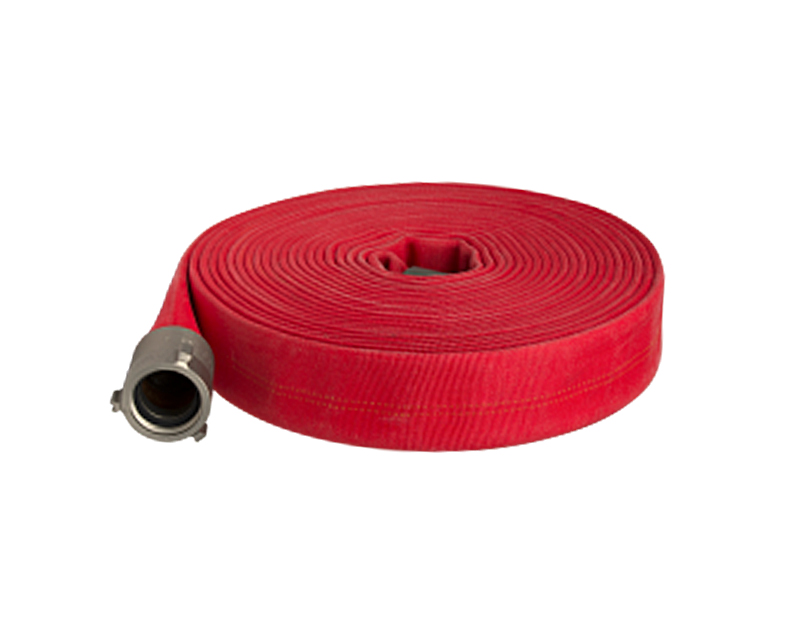
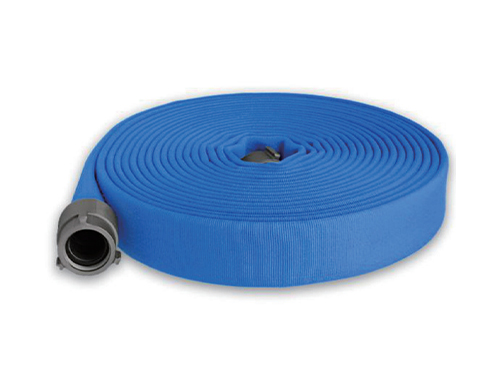
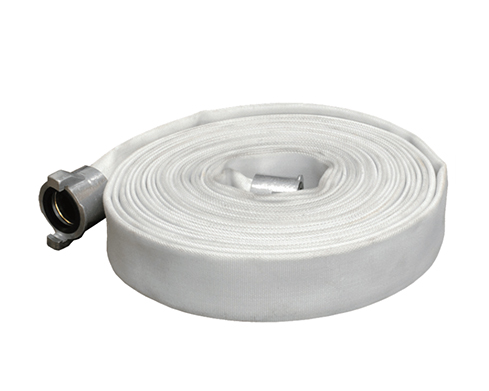
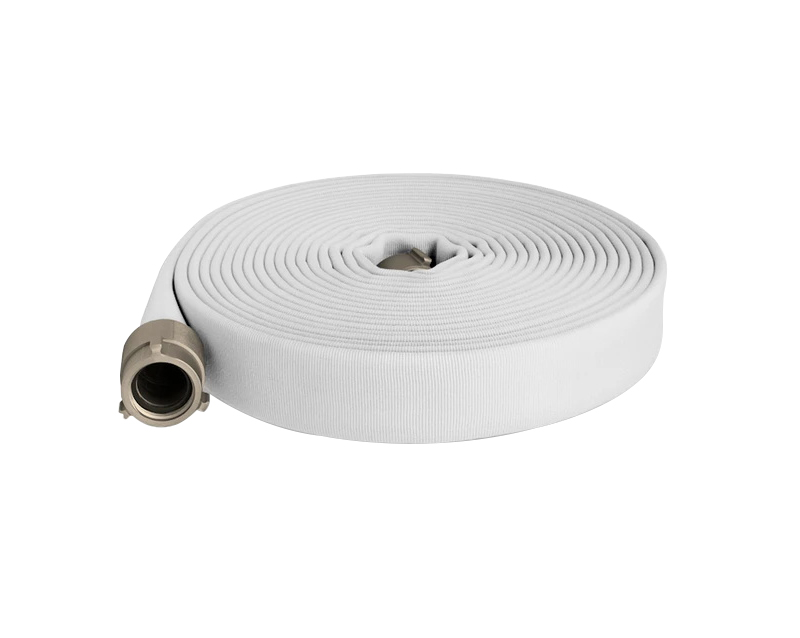
A textile hose is a type of flexible hose reinforced with woven or braided fabric materials. Instead of relying solely on rubber or plastic layers, these hoses use textile fibers—such as polyester, nylon, or other synthetic yarns—to provide structural support. The textile reinforcement is typically embedded between inner and outer layers, creating a hose that remains flexible while resisting internal pressure and external wear.
Think of it like a garden hose with a fabric mesh inside: that mesh helps the hose keep its shape without becoming too rigid. Textile hoses take this idea further, using advanced weaving techniques to achieve performance suitable for many industrial applications.
Key Features of Textile Hoses
One notable feature of textile hoses is their lightweight nature. Compared to wire-reinforced or all-rubber hoses, a textile hose can be significantly lighter. This makes handling, coiling, and transporting these hoses less physically demanding for workers.
Another feature is flexibility. Textile hoses bend easily around corners and obstacles, reducing the need for additional fittings. This flexibility also means they can be stored in smaller spaces when not in use.
Textile hoses also show good resistance to kinking. The fabric reinforcement helps the hose maintain a round cross-section even under sharp bends, allowing fluids to flow smoothly. Additionally, many textile hoses offer moderate pressure resistance suitable for a range of tasks—from low-pressure water transfer to medium-pressure air or chemical applications.
Can Textile Hoses Handle High-Pressure Applications Effectively?
This is a common question. Textile hoses are not designed for high-pressure scenarios—that domain often belongs to steel wire or spiral hoses. However, for many standard industrial uses involving pressures up to a certain range (e.g., 10–20 bar depending on construction), textile hoses perform reliably. They handle tasks such as coolant circulation, compressed air delivery, and low-pressure hydraulic return lines.
Where they truly shine is in applications where pressure demands are moderate but flexibility and weight are critical. For example, in assembly lines where workers constantly move hoses from one station to another, a lighter textile hose reduces fatigue and improves efficiency.
Advantages Over Conventional Hoses
Let us compare textile hoses to traditional rubber hoses without wire reinforcement. A standard rubber hose may feel heavy and become stiff in cold weather. A textile hose often remains more pliable across a wider temperature range. It also tends to have a smaller bend radius, meaning you can curve it more tightly without collapse.
Compared to all-plastic hoses (like PVC), textile hoses offer better resistance to abrasion and punctures. The fabric layer acts as a shield, absorbing impacts that might otherwise damage the inner tube.
Another practical advantage is repairability. While we are not discussing full maintenance procedures, it is worth noting that many textile hoses can be fitted with reusable ends, allowing users to replace damaged connectors without discarding the entire hose.
 +86-576-83015055 / 13761638108
 Hutang Industrial Park, Taizhou City, Zhejiang,China.