
 English
 中文简体
中文简体

Fire Fighting Equipment stands ready in many buildings, industrial sites, and public spaces to support quick response when flames appear. Portable and fixed tools help trained users control small fires or protect escape routes until professional crews arrive. Clear organization and visible placement allow people to locate needed items without delay.
Portable Extinguisher Characteristics
Handheld extinguishers form a familiar part of Fire Fighting Equipment inventories. Cylinders contain agents such as water, foam, dry chemical, or carbon dioxide. Labels indicate the fire classes each unit can address.
Simple activation mechanisms let users discharge the agent in a controlled stream. Pressure gauges show readiness at a glance. Mounting brackets keep units secure yet easy to remove when needed. Weight and size stay manageable for average adults.
Hose and Nozzle Functions
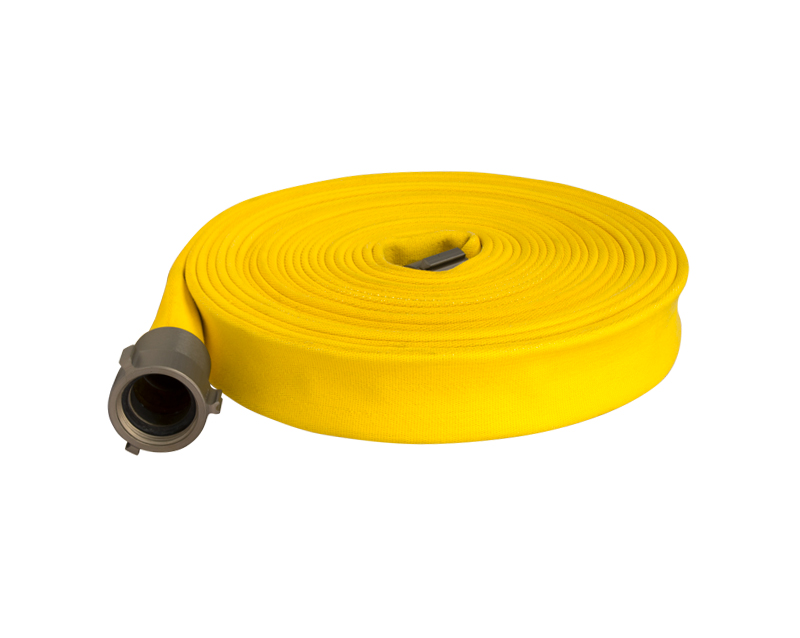
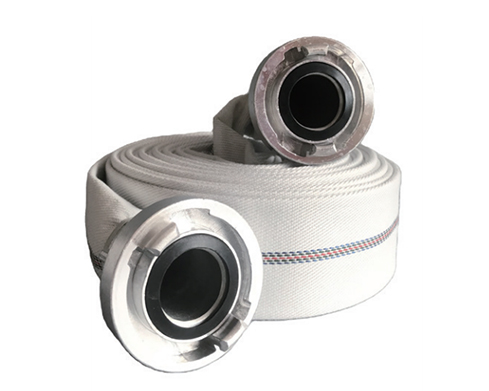
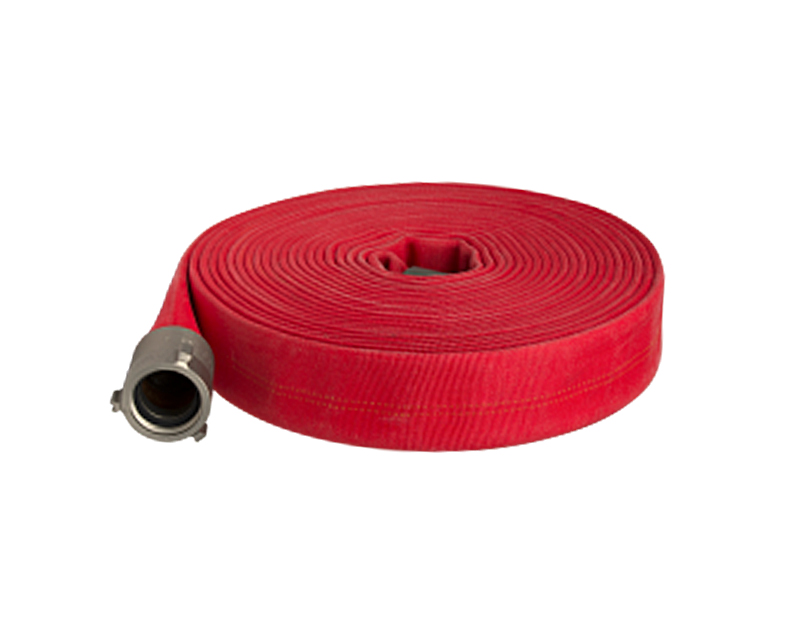
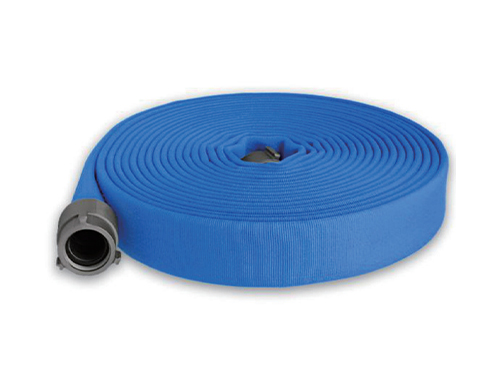
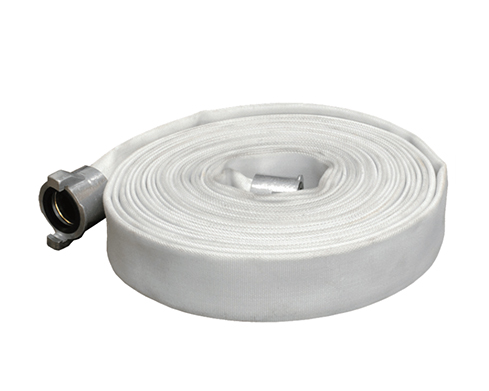
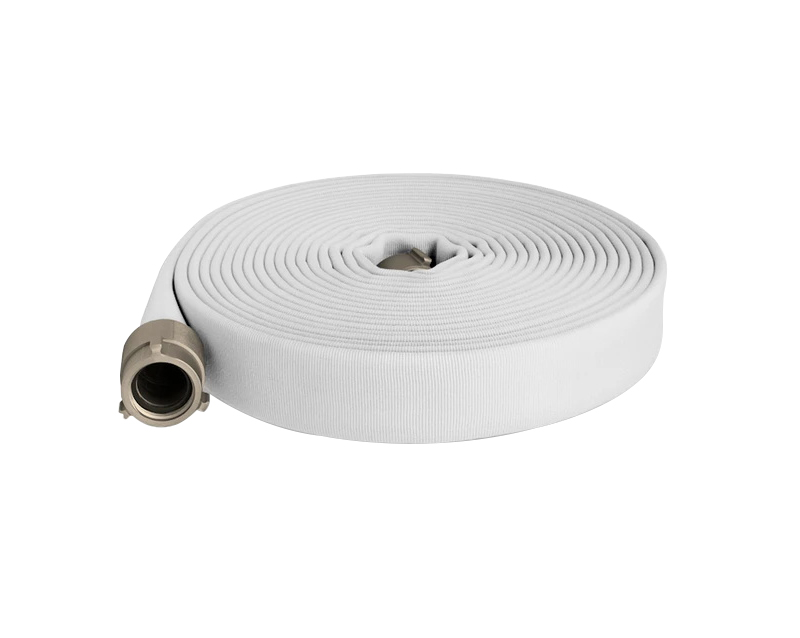
Hose reels and racks store flexible tubing connected to pressurized water sources. Users pull the hose toward the fire area and open the nozzle to release a stream or spray. Adjustable nozzles change the pattern from straight jet to wider fog.
Fire Fighting Equipment of this type supports longer-duration efforts compared with small extinguishers. Coupling designs allow quick connection to hydrants or building outlets. Durable covers protect hoses from dust and damage while stored.
Protective Clothing Elements
Responders wear specialized layers that limit heat transfer and resist ignition. Outer shells shed water and embers while inner layers provide insulation. Helmets include face shields and visors for eye and face coverage.
Gloves maintain dexterity for handling tools and valves. Boots offer puncture resistance and ankle support on uneven surfaces. Complete sets of Fire Fighting Equipment clothing enable closer approach to heated zones when necessary.
Placement Across Different Spaces
Office corridors often feature wall-mounted extinguishers at regular intervals. Industrial workshops position larger units near high-risk machinery. Residential and commercial kitchens keep suitable extinguishers close to cooking areas.
Stairwells and exit routes commonly hold hose cabinets for defending escape paths. Outdoor yards and vehicle depots may include cabinets or posts with basic tools. Visible signage directs attention to Fire Fighting Equipment locations.
Integration With Building Systems
Some Fire Fighting Equipment connects directly to detection networks. Alarm activation can unlock hose cabinets or release suppression agents in designated zones. Manual pull stations sit near equipment for rapid notification.
Standpipe outlets supply water to upper floors for hose connection. Clear floor markings and illuminated signs guide users to the nearest resources during low-visibility conditions. Coordinated layouts support both occupant action and arriving crews.
Variety for Specific Environments
Warehouses favor larger-capacity extinguishers and wide-area hose coverage. Vehicle fleets carry compact units suited to engine or fuel-related incidents. Marine settings use equipment designed for confined spaces and specific fuel types.
Educational campuses distribute tools according to building size and occupancy patterns. Retail spaces balance accessibility with security against casual tampering. Matching equipment type to the local risk profile improves practical usefulness.
Fire Fighting Equipment provides essential tools for initial response and personal protection across many environments. From handheld extinguishers to full hose systems and protective clothing, each item contributes to organized action when smoke or flames appear. Thoughtful placement and user familiarity help these resources perform their intended roles effectively.
 +86-576-83015055 / 13761638108
 Hutang Industrial Park, Taizhou City, Zhejiang,China.