
 English
 中文简体
中文简体

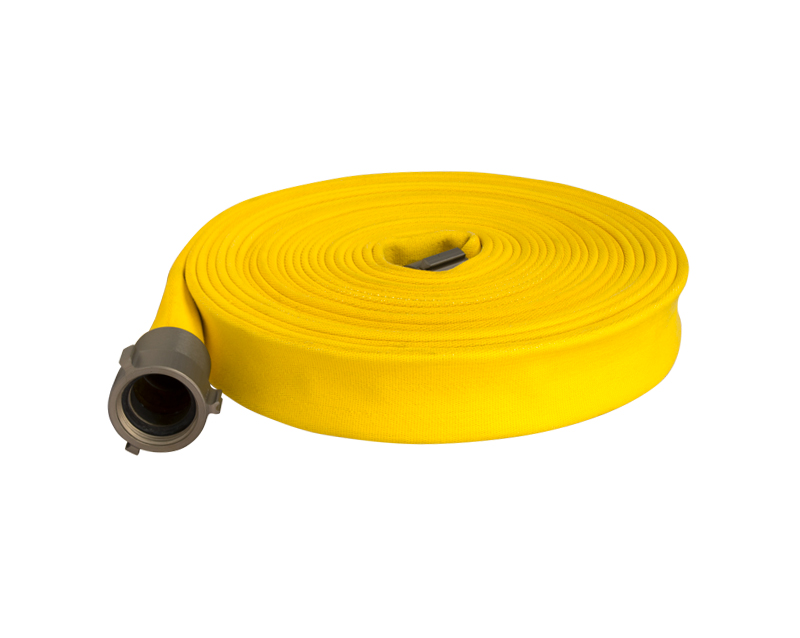
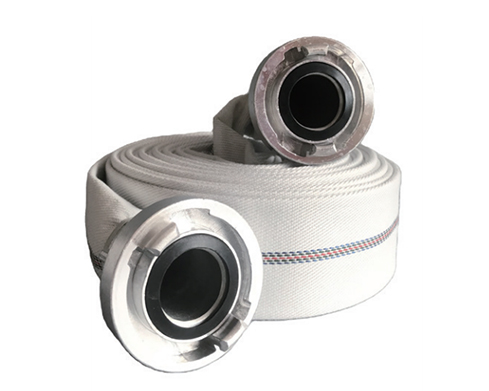
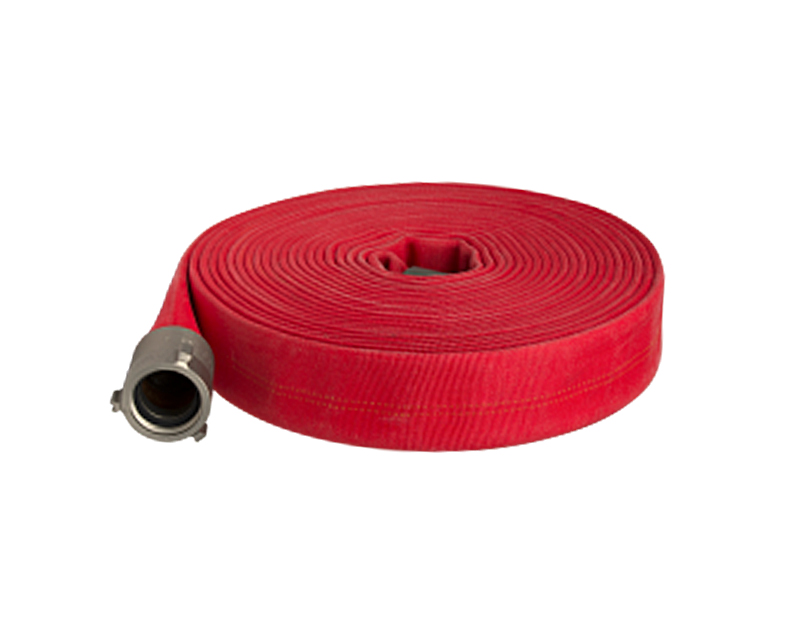
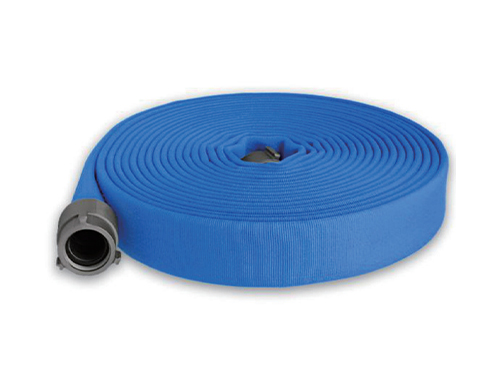
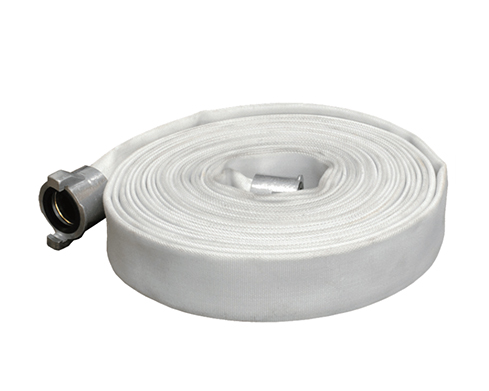
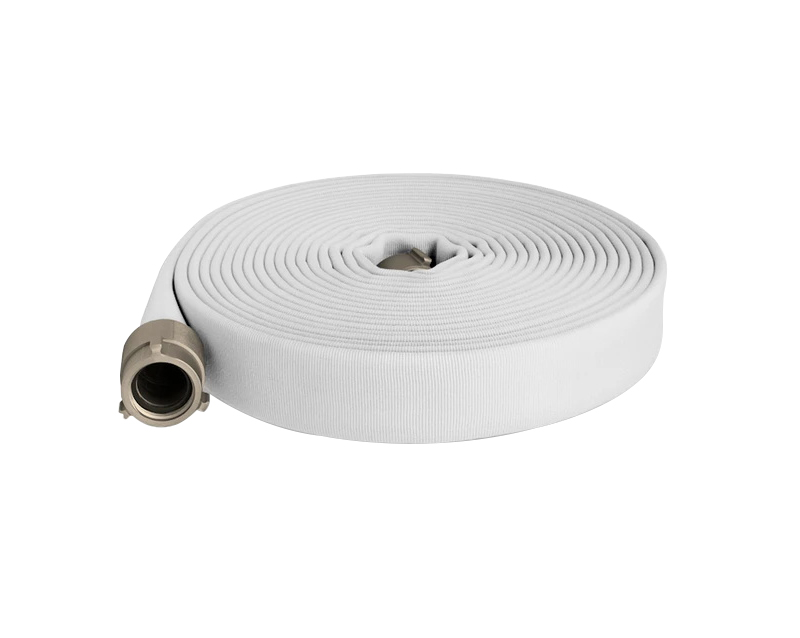
PVC Covered Fire Hose offers a practical option for water delivery in fire situations. Many teams rely on this type of hose because the outer layer protects the inner tube while keeping the overall weight manageable. The combination of a flexible inner lining and a durable PVC exterior helps the hose handle regular pressure without adding unnecessary bulk.
Basic Structure of the Hose
A typical PVC Covered Fire Hose consists of an inner rubber or synthetic tube that carries water and an outer PVC covering that shields the tube from abrasion and weather. The outer layer is bonded tightly so the hose stays flexible when coiled or dragged across rough ground. Reinforcing layers of polyester or similar fabric sit between the tube and the cover to control expansion under pressure. This layered approach keeps the hose stable during use while allowing it to roll up for storage.
The PVC covering resists many common surface damages that unprotected hoses face. It also limits water absorption into the fabric layers, which helps the hose dry faster after use. Fire crews often notice that the smooth outer surface slides more easily over concrete or gravel than some textile-only designs.
Common Applications
PVC Covered Fire Hose appears in several everyday firefighting and industrial settings. Municipal fire departments use it for attack lines and supply lines when they need a hose that balances flexibility and surface protection. Industrial facilities install it on fixed reels near high-risk areas so workers can respond quickly to small fires. Some construction sites keep lengths of this hose available for temporary fire protection during building work.
Rural brigades also find it useful because the outer cover stands up to outdoor storage better than plain fabric hoses. In training sessions the hose can be dragged, charged, and re-coiled repeatedly without rapid surface wear. The design supports both low-pressure supply work and higher-pressure attack duties, depending on the diameter and construction grade chosen.
Material Advantages in Practice
The PVC outer layer contributes several practical benefits. It reduces friction when the hose is pulled across floors or open ground. It also helps the hose resist oil, mild chemicals, and ultraviolet light that can degrade exposed fabric. Because the cover is relatively thin, the finished hose remains lighter than many rubber-covered alternatives of the same diameter.
Flexibility stays consistent across a useful temperature range. Crews can deploy the hose in cool morning conditions or warmer afternoon heat without major changes in handling. The smooth exterior cleans more readily after muddy or dusty work, which shortens the time needed to prepare the hose for the next call.
Size and Pressure Options
Manufacturers produce PVC Covered Fire Hose in several common diameters. Smaller sizes suit interior attack work while larger diameters move greater volumes of water for supply lines. Working pressure ratings vary by construction, yet versions handle the pressures typical of municipal pumping equipment. The outer PVC layer does not significantly change the pressure capacity determined by the inner tube and reinforcement.
Color options are usually limited to standard red or yellow so the hose remains visible on the fireground. Some versions include reflective strips near the couplings for night operations. Lengths commonly range from 15 to 30 meters per section, allowing crews to connect multiple lengths as needed.
Practical Considerations for Teams
Selecting a PVC Covered Fire Hose involves matching diameter, length, and pressure rating to the expected duties. Crews that move hose frequently appreciate the balance of protection and weight. Stations that store hose outdoors value the weather resistance of the outer layer. Training officers note that the smooth cover reduces snagging on door frames and stair edges during drills.
The hose works with standard nozzles and branch pipes. No special fittings are required beyond ordinary couplings. When the hose is under pressure the PVC covering helps maintain a more uniform outer diameter, which can make it easier to estimate remaining volume at a glance.
 +86-576-83015055 / 13761638108
 Hutang Industrial Park, Taizhou City, Zhejiang,China.