
 English
 中文简体
中文简体

Why a Fire Hose Isn't Just a Bigger Garden Hose
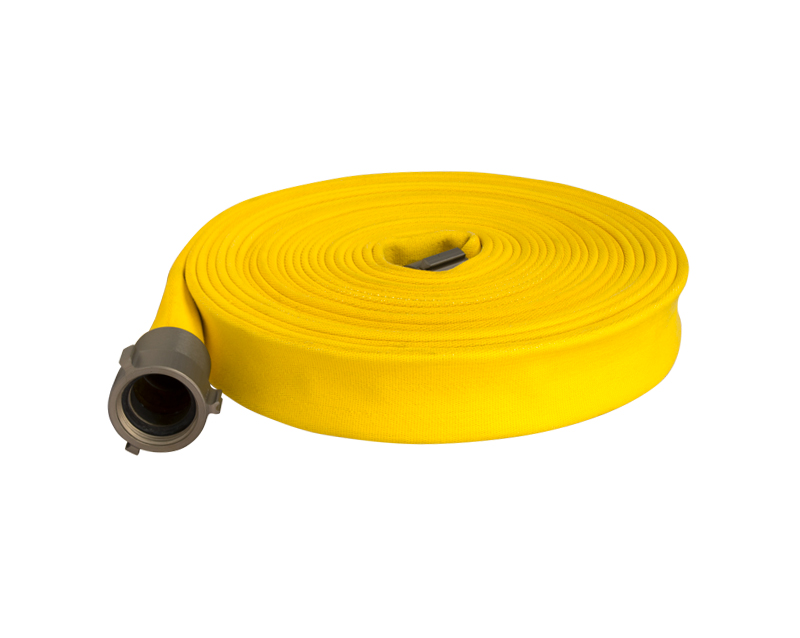
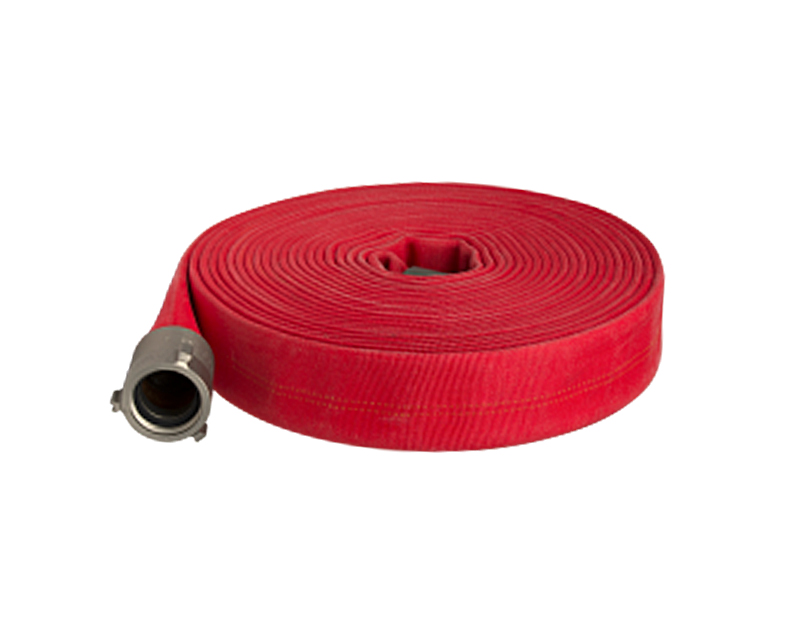
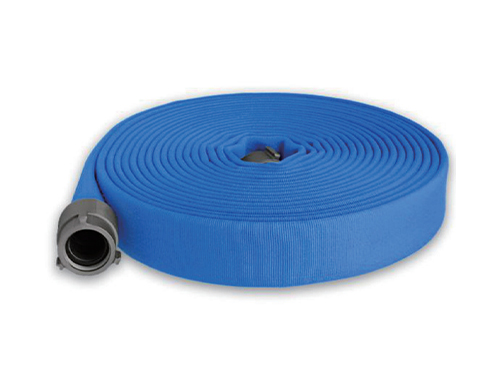
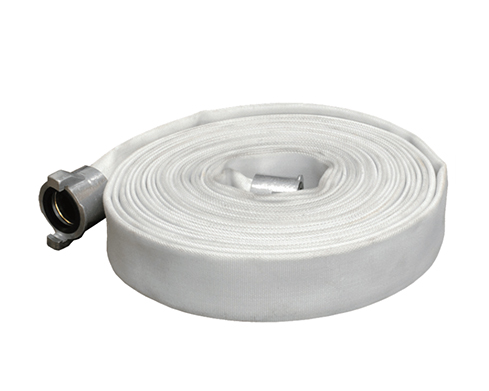
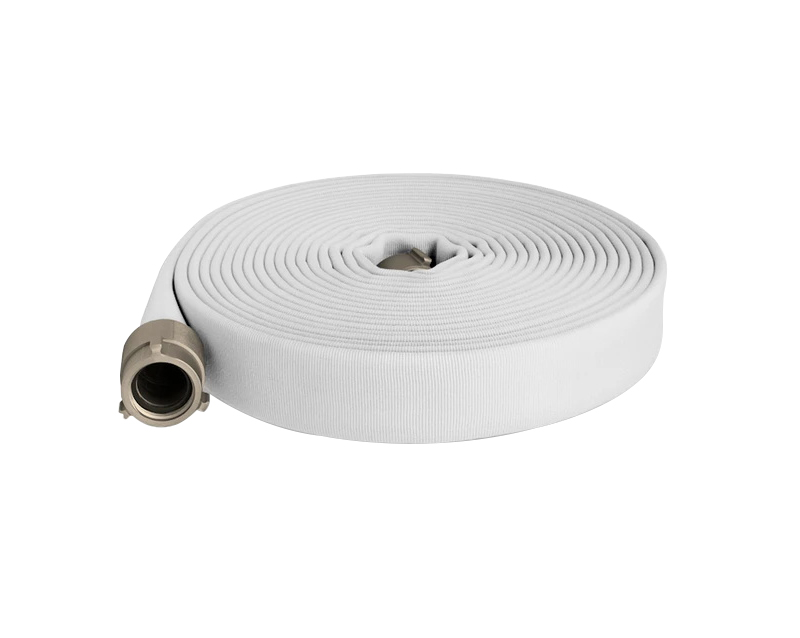
The obvious difference is size, but the real distinction lies in what a fire hose has to withstand. Water moving through a fire hose can travel at pressures many times higher than what a household hose ever sees. That pressure has to be contained without the hose bursting, kinking, or losing shape when it's dragged across pavement, gravel, or debris. Manufacturers address this with multiple layers — an inner rubber lining that keeps water from seeping through the fabric jacket, and an outer woven layer that gives the hose its strength and abrasion resistance. Without this layered construction, a hose simply couldn't handle the demands placed on it.
The Role of Material Choices in Everyday Performance
Fire hoses are typically made from synthetic fibers like polyester, sometimes blended with other materials depending on the intended use. The weave pattern matters just as much as the fiber itself. A tightly woven jacket resists tearing when dragged over rough surfaces, while the inner lining needs to stay flexible even after repeated exposure to water, sunlight, and temperature swings. Some hoses are built with a double-jacket construction, adding an extra layer of woven fabric for situations where extended durability is a priority. Others use single-jacket designs that are lighter and easier to maneuver, which matters when speed is part of the equation.
Coupling Types and Why They Matter More Than People Think
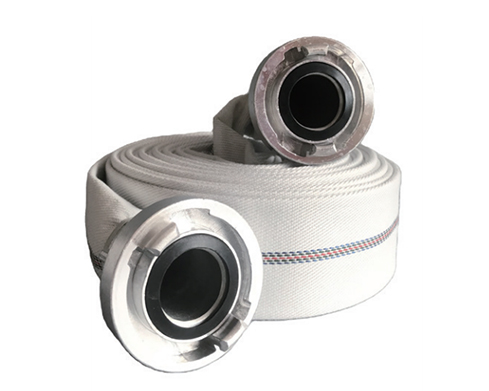
The connection points on a fire hose — known as couplings — are just as important as the hose body itself. A mismatched coupling can mean lost time when every second counts. Threaded couplings, storz couplings, and quick-connect designs each serve different purposes depending on regional standards and equipment compatibility. Brass and aluminum are common coupling materials, chosen for their balance of strength and manageable weight. A hose that connects reliably, without cross-threading or leaking at the joint, keeps the whole system functioning as intended.
Diameter and Length: Matching the Hose to the Job
Not every situation calls for the same hose. Smaller diameter hoses, often used for initial attack lines, are lighter and easier for one or two people to handle. Larger diameter supply lines move much greater volumes of water but require more people or equipment to manage. Length matters too — longer sections reduce the number of couplings needed along a run, but they also add weight and bulk when the hose is rolled or stored. Buyers typically weigh these tradeoffs based on the specific scenarios their teams are likely to face, whether that's a municipal fire truck, an industrial facility, or a marine vessel.
Frequently Asked Questions
What's the difference between single-jacket and double-jacket fire hoses?
Single-jacket hoses use one layer of woven fabric, making them lighter and easier to handle. Double-jacket hoses add a second woven layer for situations where extended durability is needed.
Are all fire hose couplings interchangeable?
No. Coupling types vary by region and equipment standard, so compatibility needs to be checked against existing hydrants, pumps, or connection points before ordering.
Can fire hoses be customized for specific equipment?
Yes, many suppliers offer adjustments to diameter, length, coupling type, and jacket construction for a fire hose to match a buyer's existing equipment or branding needs.
 +86-576-83015055 / 13761638108
 Hutang Industrial Park, Taizhou City, Zhejiang,China.