
 English
 中文简体
中文简体

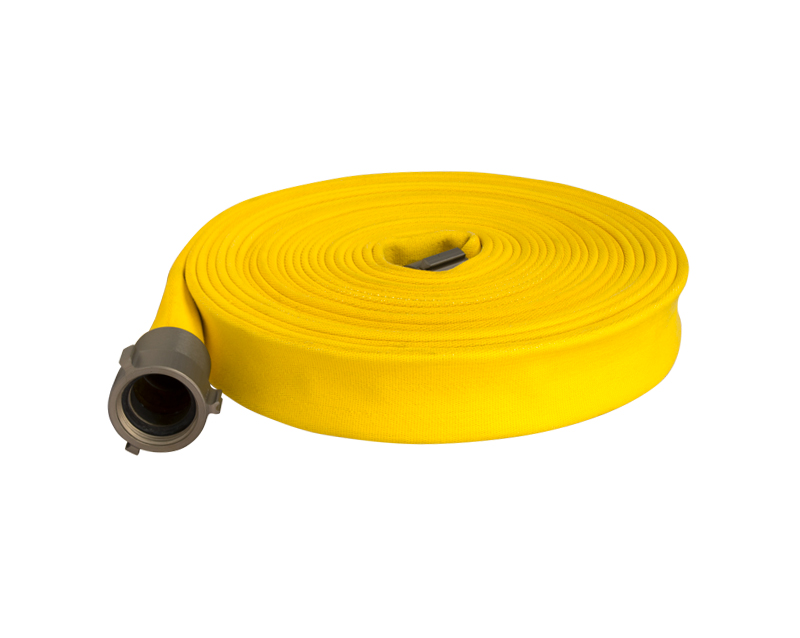
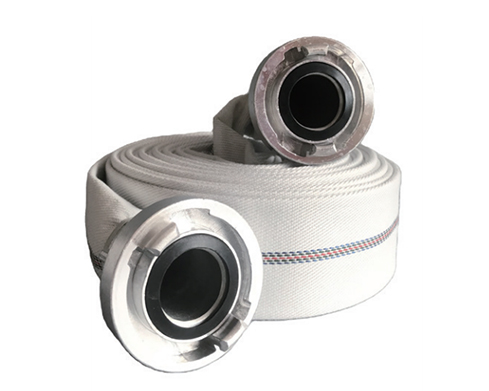
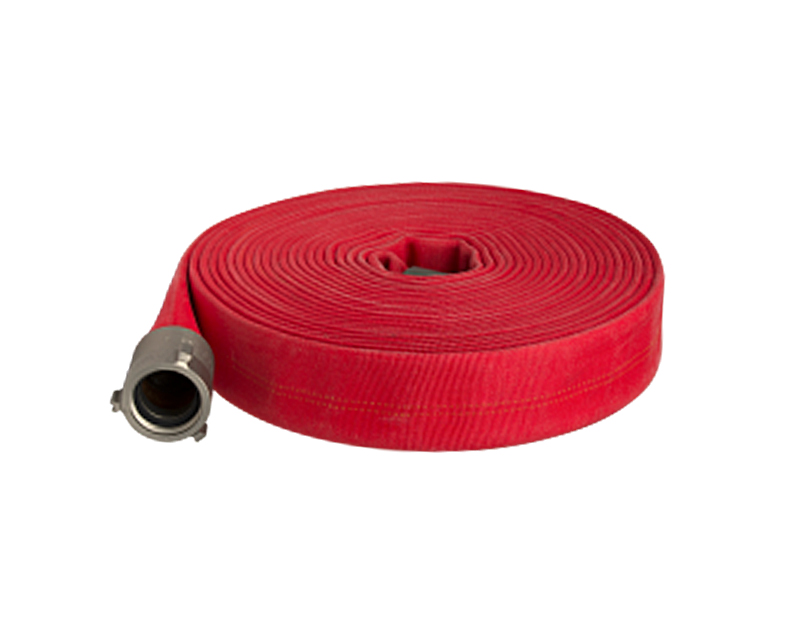
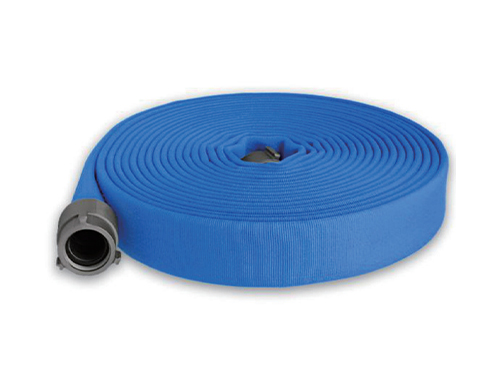
A fire hose solution isn't a single product — it's a category built around one job done under very different conditions. A hose used on a construction site faces different stresses than one coiled inside a commercial building's standpipe cabinet, and a hose supplied to a municipal fire department gets handled entirely differently than one sold to a factory floor. Procurement teams sourcing across this category quickly learn that "fire hose" as a search term hides a fair amount of variation underneath it.
Material Differences That Shape Performance
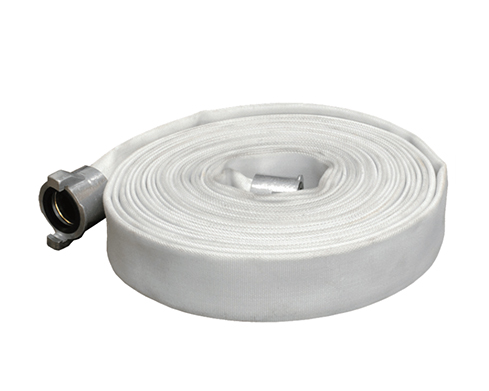
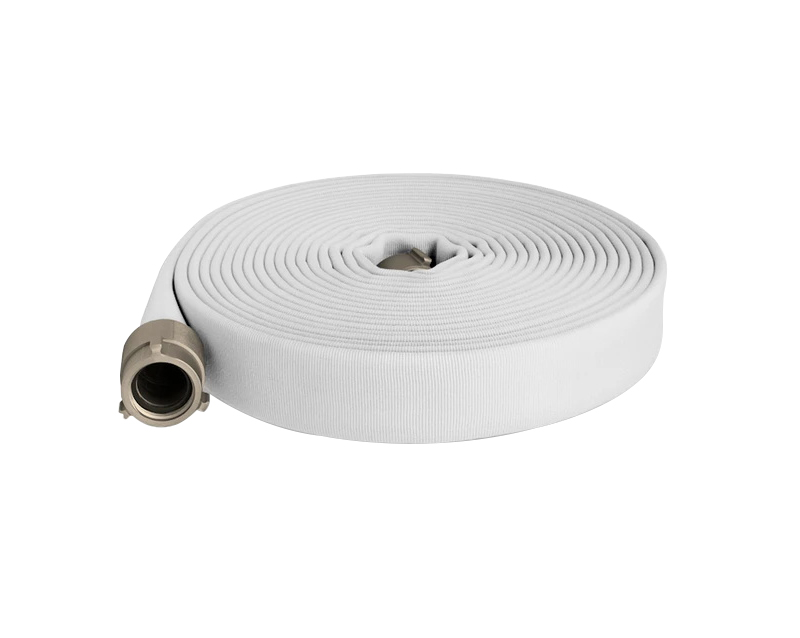
Most fire hose solutions fall into one of a few material categories: rubber-lined, PVC-lined, or double-jacketed cotton-polyester blends. Rubber-lined hoses tend to hold up under repeated use and resist abrasion better than lighter alternatives, which makes them a common choice for industrial settings where the hose gets dragged across rough surfaces regularly. PVC-lined versions are generally lighter and easier to handle, appealing to buyers supplying settings where quick deployment matters more than heavy-duty durability. Double-jacketed designs add an extra layer of protection against cuts and punctures, often showing up in supply requests from buyers serving construction or industrial clients.
Buyers sourcing in bulk frequently ask suppliers for burst pressure ratings and flow rate data across different diameters, since these numbers vary noticeably between hose types and directly affect which solution fits a given application.
Diameter and Length Considerations
Fire hose solutions come in a range of standard diameters, commonly running from smaller attack lines used for close-range fire suppression up to larger supply lines that move water over longer distances. Buyers building out product lines for municipal or industrial clients typically stock several diameters side by side, since a single facility might need different hose sizes depending on where within the building or site the hose gets deployed.
Length matters just as much as diameter. Shorter lengths tend to see use in tighter industrial settings where maneuverability counts, while longer coils are common in outdoor or large-facility contexts where the hose needs to reach farther from a water source. Distributors often request custom length options from suppliers rather than relying solely on standard coil sizes, particularly when supplying specialized industrial clients.
Coupling Types and Compatibility
One detail that trips up buyers new to this category is coupling compatibility. Fire hose solutions use several coupling standards, and a hose that works perfectly with one system's fittings may not connect at all with another. Sourcing teams supplying multiple regions or client types often need to stock a range of coupling configurations, since mismatched fittings can render an otherwise solid hose unusable on site.
This is one of the more common questions distributors raise with suppliers early in the sourcing process — whether couplings can be customized or swapped to match a buyer's existing equipment, rather than assuming a single coupling type will fit every order.
Matching Solutions to Buyer Type
Municipal buyers, industrial facilities, and construction contractors each approach fire hose solutions with different priorities. Municipal departments tend to prioritize consistency across their fleet, wanting hoses that behave predictably across various emergency scenarios. Industrial buyers often weigh durability more heavily, since their hoses face repeated exposure to rough handling and harsh site conditions. Construction contractors, meanwhile, frequently prioritize weight and ease of deployment, since crews may need to move hoses quickly across a shifting job site.
Distributors serving more than one buyer type often maintain separate product lines rather than trying to fit all three groups with a single hose design, since the priorities across these groups don't always overlap.
 +86-576-83015055 / 13761638108
 Hutang Industrial Park, Taizhou City, Zhejiang,China.