
 English
 中文简体
中文简体

Why Hose Selection Matters More Than People Realize
It's easy to treat hose products as an afterthought. They don't have screens or sensors. They just sit coiled on a rack until someone needs them. But the wrong hose — wrong diameter, wrong pressure rating, wrong coupling type — can slow down a response at exactly the wrong moment.
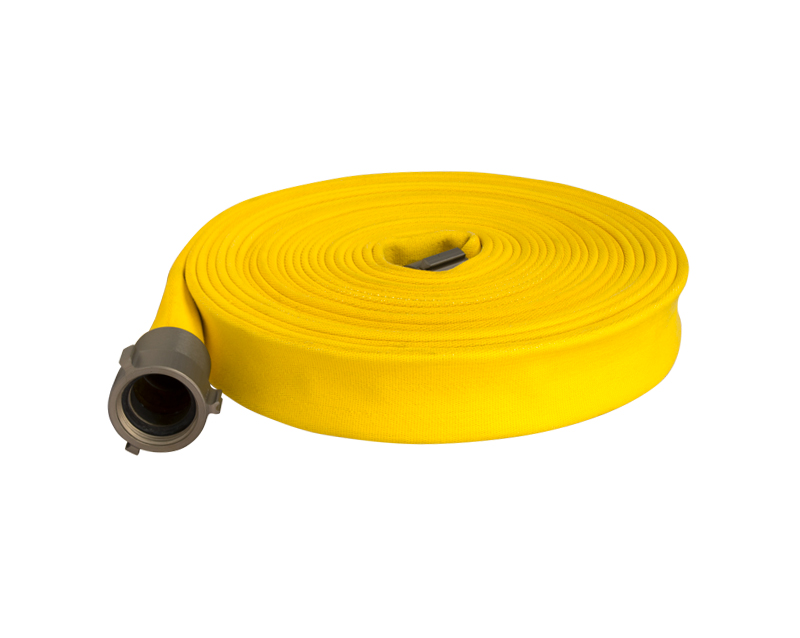
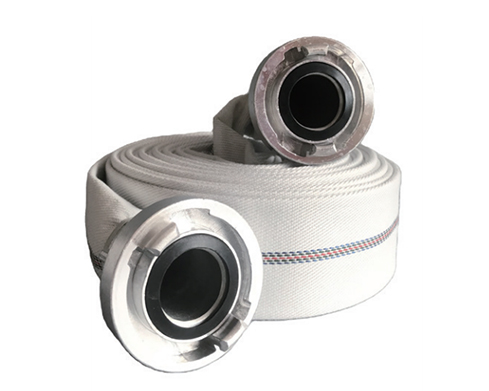
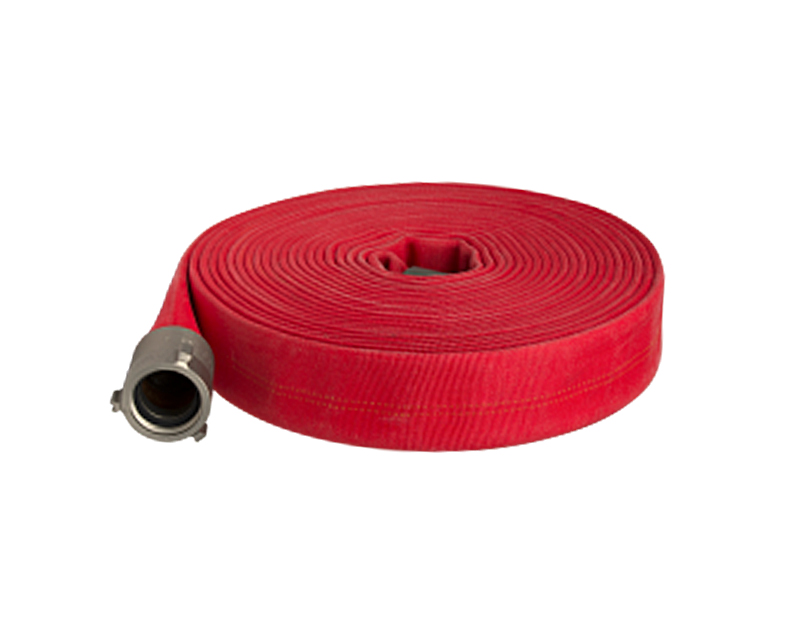
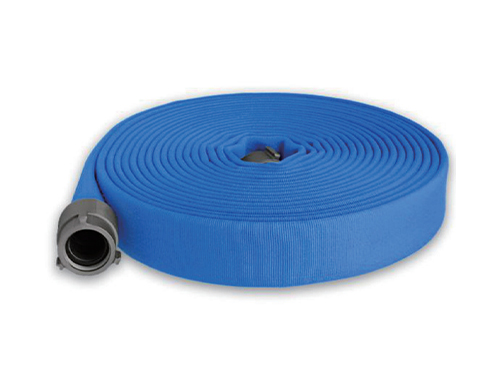
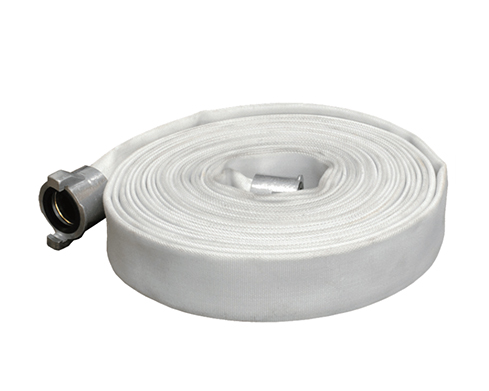
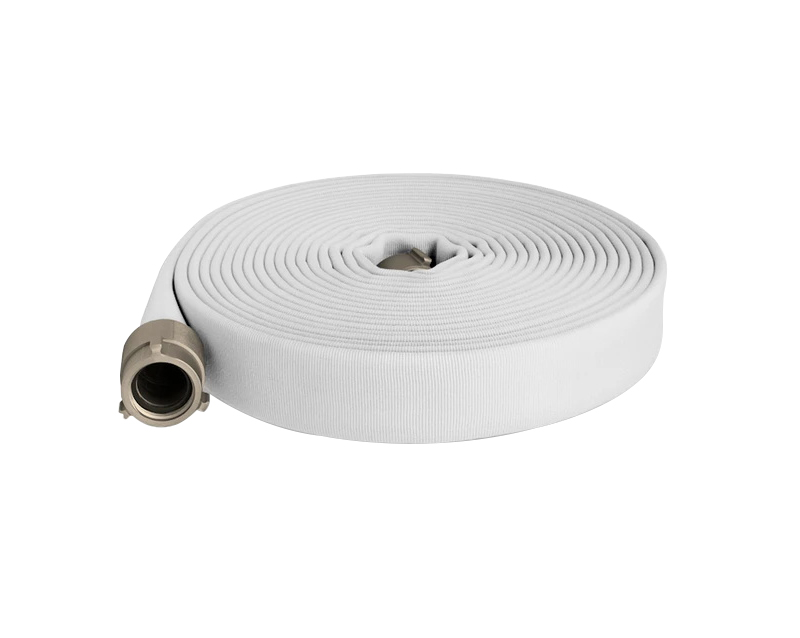
Fire fighting hose products are chosen based on the job they're expected to do. A municipal fire crew fighting a structural fire needs something very different from a forestry team cutting a firebreak in dry scrubland. Getting that match right is where procurement decisions actually matter.
A Breakdown of the Main Hose Types
Attack hoses go to the front line. They take the heat, the pressure, and the rough handling. Common diameters run from 38mm up to 65mm, and they need to hold up under sustained use without ballooning, kinking, or leaking at the couplings.
Supply hoses work behind the scenes, pulling large volumes of water from hydrants or tankers to the pumping apparatus. Diameter is bigger here — 75mm to 150mm is typical — because flow rate matters more than maneuverability.
Forestry hoses trade durability for weight. When a crew is hiking terrain carrying gear, every kilogram counts. These hoses are built from lighter compounds that can still handle abrasion from rocks and brush.
Booster hoses are semi-rigid, often pre-connected to a reel on the apparatus itself. They're used for quick knockdowns on small fires before a full line gets pulled.
What Goes Into Building a Reliable Fire Hose
The inner lining is the part of the hose that takes the punishment from the inside out. Every time water rushes through under pressure, or foam concentrate gets pushed down the line, that lining is what stands between the fluid and the hose body itself. If it degrades — through chemical exposure, UV breakdown, or simple wear — you start seeing flow restrictions, microcracks, and eventually failure at the worst possible moment.
The outer jacket tells a different story. Woven from polyester or nylon, it's what keeps the hose from turning into a balloon when pressure spikes, and what stops it from being shredded when dragged across concrete, gravel, or broken glass. A lot of firefighters don't think about the jacket until it's visibly fraying — but by that point, the structural integrity has already been compromised for some time.
Things Worth Checking Before You Buy
Sourcing fire fighting hose products without a checklist is a common mistake, especially for organizations managing large inventories across multiple sites.
Pressure ratings should match your system's working and test pressures, not just approximate them.
Coupling types differ by region. Storz fittings dominate in Europe and Australia. Instantaneous and threaded couplings are more common elsewhere. Mismatched couplings waste time on the scene.
Hose length is usually standardized at 15 or 30 meters, but longer runs may require intermediate support.
Maintenance requirements vary. Some hoses need to be thoroughly dried before storage. Others tolerate wet coiling. Know which you're buying.
Final Thoughts
Choosing fire fighting hose products well isn't complicated, but it does require attention to detail. Pressure ratings, coupling compatibility, certification status, and maintenance demands all feed into whether a hose performs when it counts. The hose itself is simple. The decision around it deserves more care than it usually gets.
 +86-576-83015055 / 13761638108
 Hutang Industrial Park, Taizhou City, Zhejiang,China.