
 English
 中文简体
中文简体

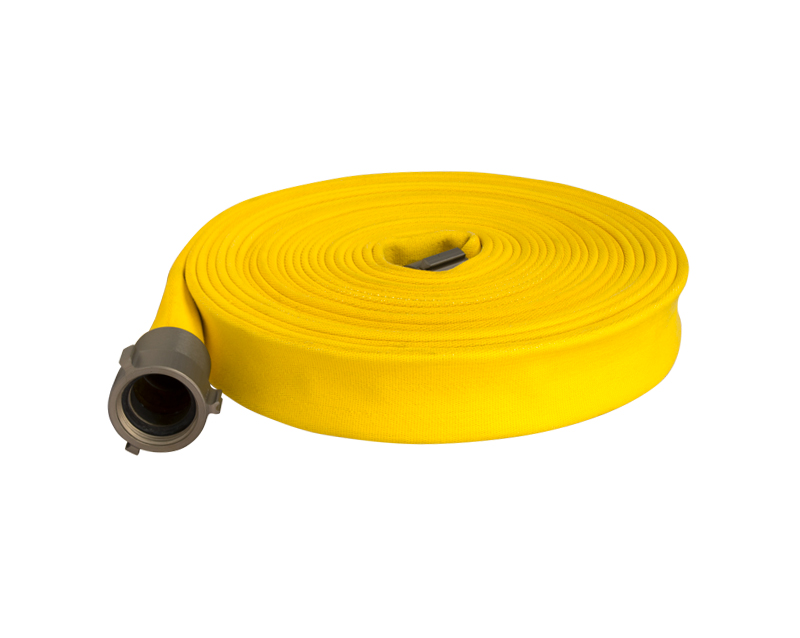
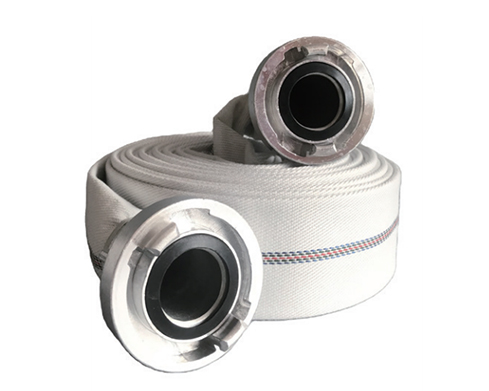
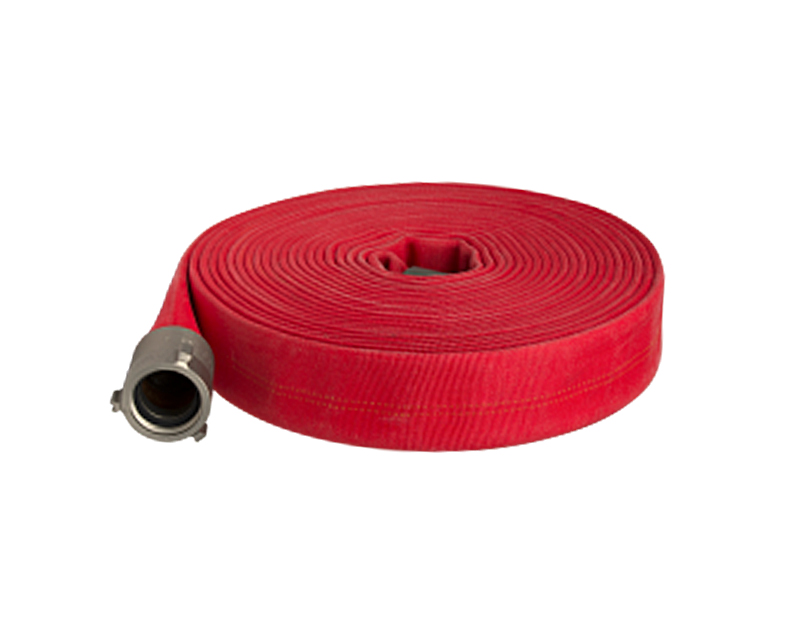
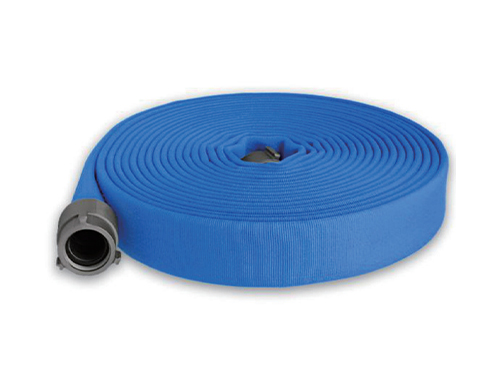
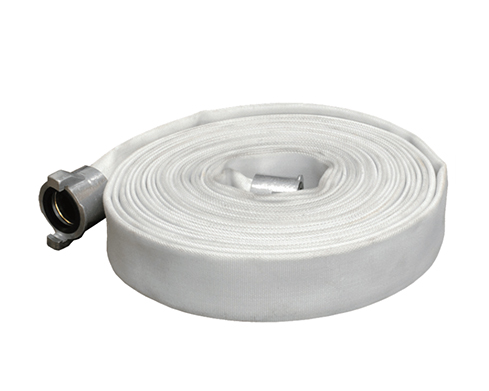
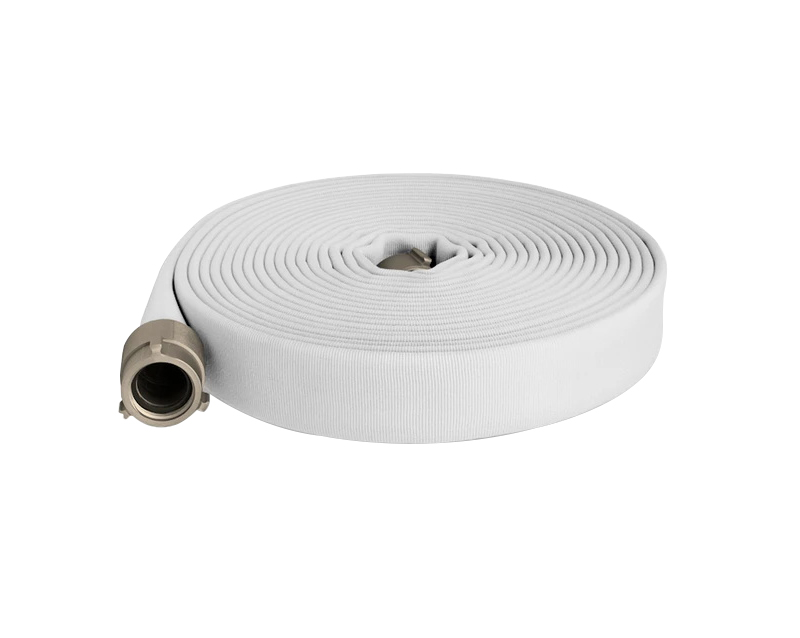
Textile hose is a lightweight and flexible alternative to rubber or metal hoses, used in applications ranging from garden watering to industrial air lines. Unlike hoses reinforced with steel wire, a textile hose uses braided or woven synthetic fibers to provide strength while keeping the hose easy to handle and resistant to kinking.
The construction of a textile hose typically involves three layers. The inner tube, made of PVC, rubber, or polyurethane, carries the fluid or air. A reinforcement layer of braided polyester, nylon, or other synthetic fibers surrounds the inner tube, providing burst strength and preventing expansion under pressure. The outer cover protects the reinforcement from abrasion, UV exposure, and chemicals. This layered design gives the textile hose a good balance of strength, flexibility, and light weight.
The key advantage of a textile hose is its flexibility. A textile hose bends easily around corners, coils into compact loops for storage, and lays flat without fighting the user. This flexibility is especially valuable for gardeners moving a hose around plants, for mechanics reaching into engine bays with an air hose, or for industrial workers who need to drag hose across a factory floor. Unlike stiff rubber hoses that retain a coiled memory, a textile hose straightens out readily when unrolled.
The weight savings of a textile hose over rubber are substantial. A 50-foot rubber garden hose might weigh 8 to 10 pounds, while a textile hose of the same length weighs 3 to 4 pounds. This difference matters for anyone who carries a hose across a large yard, drags it up a ladder, or stores it overhead in a garage. Lighter weight also reduces shipping costs for distributors and makes the hose easier to handle for older adults or those with limited strength.
The kink resistance of a textile hose is another benefit. Rubber hoses have a tendency to kink when bent sharply, reducing or stopping flow. The textile reinforcement helps the hose maintain its round cross-section even when bent, so water or air keeps flowing. Some textile hoses are designed to be crush-resistant as well, springing back to shape after being stepped on or run over by a vehicle.
The burst pressure of a textile hose varies by construction. A typical garden-grade textile hose might be rated for 150 to 300 pounds per square inch, adequate for residential water pressure. A heavy-duty textile air hose for a workshop might be rated for 300 to 500 psi. High-pressure textile hoses for industrial use can reach 1,000 psi or more, using multiple layers of high-tensile fibers. The pressure rating should match the application, as exceeding the rating can cause the hose to burst.
The temperature range of a textile hose depends on the materials used. Standard PVC textile hoses handle temperatures from about 25 to 140 degrees Fahrenheit. Polyurethane textile hoses perform better in cold weather, remaining flexible below freezing. Rubber textile hoses tolerate higher temperatures, up to 200 degrees or more, making them suitable for hot water or steam applications. The user should check the hose specifications for the intended operating conditions.
For anyone needing a hose that is easy to carry, quick to coil, and resistant to kinking, the textile hose delivers practical performance. It handles garden watering, workshop air, or industrial fluids without the weight and stiffness of traditional rubber hoses. A textile hose goes where it is needed, works without fighting the user, and stores away neatly when the job is done.
 +86-576-83015055 / 13761638108
 Hutang Industrial Park, Taizhou City, Zhejiang,China.