
 English
 中文简体
中文简体

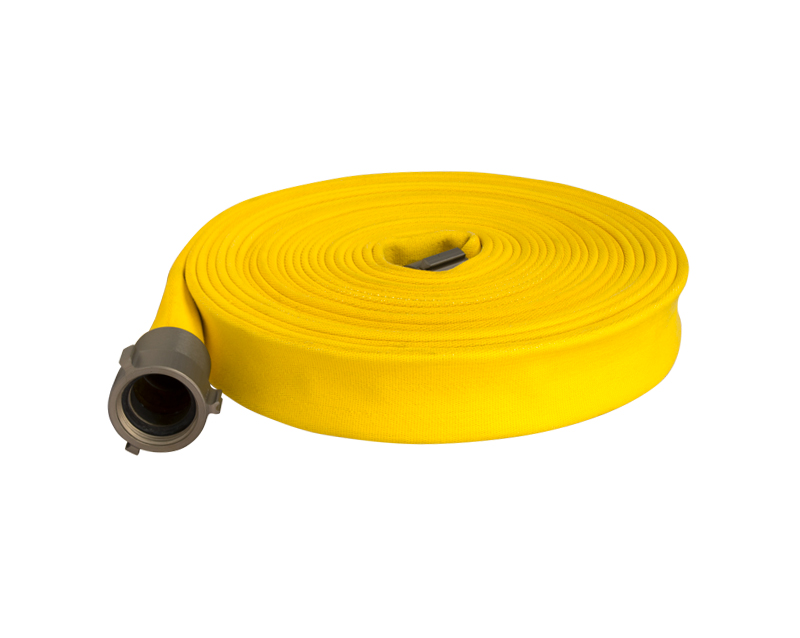
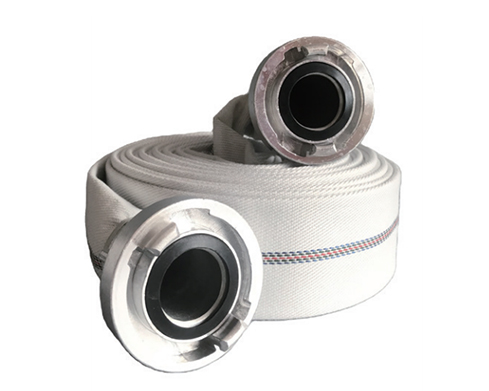
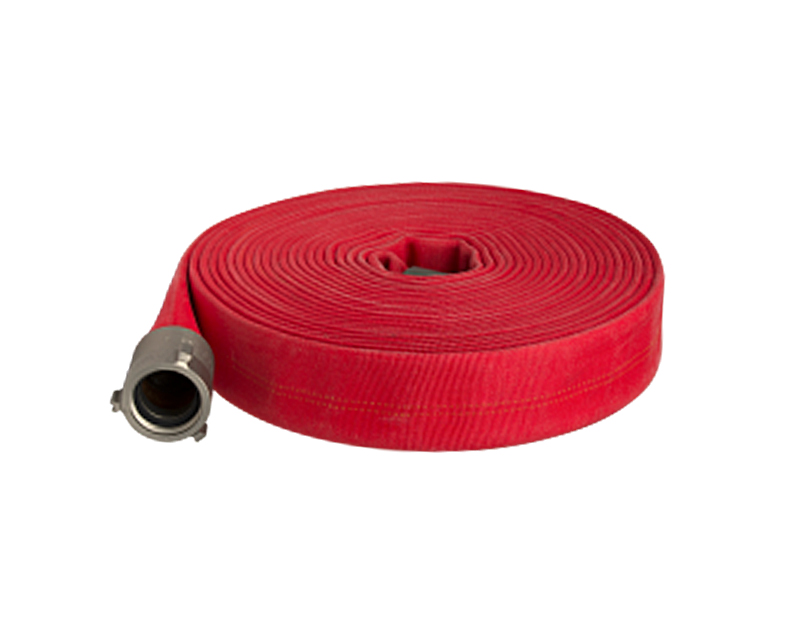
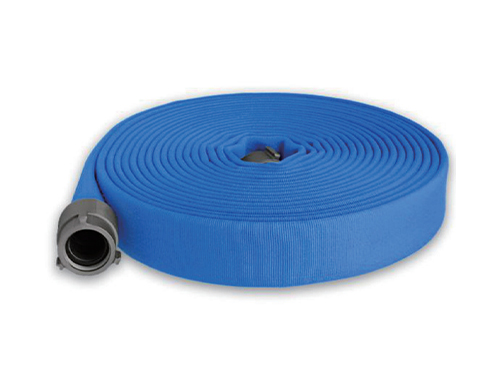
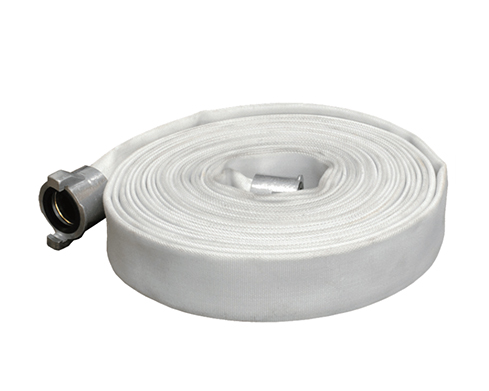
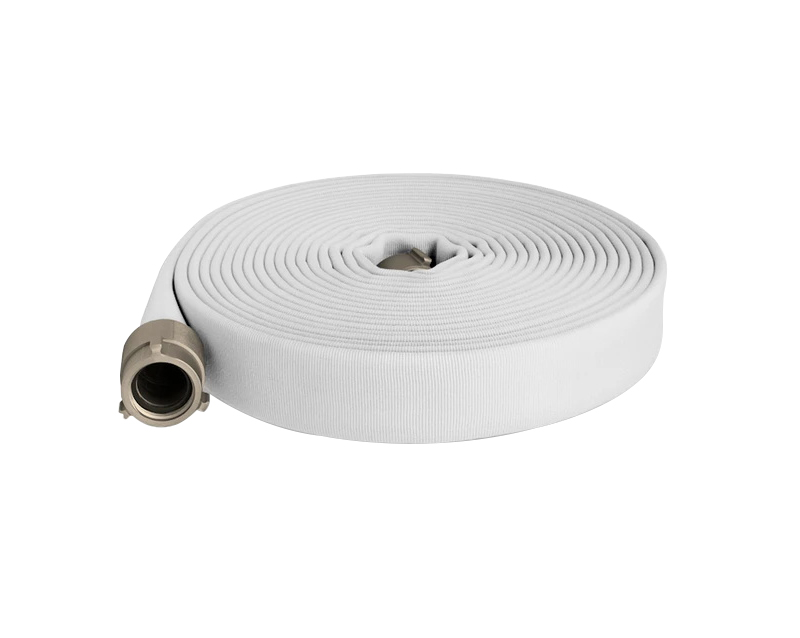
Fire hose connector is a critical component that allows firefighters to quickly attach hoses to hydrants, pumps, and other hoses, enabling water to flow from the source to the fire. Without reliable fire hose connectors, the ideal hoses and pumps would be useless, as water could not be directed where it is needed.
The basic function of a fire hose connector is simple: to create a watertight seal between two sections of hose or between a hose and a water source. The connector consists of two mating halves, each attached to the end of a hose or to a hydrant outlet. When pushed together and twisted or locked, the halves seal tightly, preventing leaks even under high pressure. A properly connected fire hose can carry water at hundreds of pounds per square inch without separation.
There are two main types of fire hose connectors used in different regions. Threaded connectors use screw threads to join the halves together. The male half has external threads, and the female half has internal threads. The user screws the two halves together until tight, often using a spanner wrench to achieve a snug fit. Threaded connectors are common in many areas, but the thread standards vary by country and even by city, which can create compatibility issues when mutual aid brings firefighters from different jurisdictions.
Storz connectors use a quarter-turn locking mechanism without threads. Two identical halves are pushed together and rotated a quarter turn until lugs on one half lock into ramps on the other half. Storz connectors are faster to connect and disconnect than threaded types, require no wrench, and cannot cross-thread. The same Storz connector works on any hose or hydrant regardless of manufacturer, making them popular for departments that respond to mutual aid calls. Many fire departments have converted to Storz connectors for supply hose operations.
The material of a fire hose connector affects its durability and weight. Traditional connectors are made of brass, which resists corrosion, machines easily, and provides a smooth surface for gaskets. Brass connectors are heavy but have proven reliable for over a century. Lightweight alloy connectors made of hard-anodized aluminum are about half the weight of brass, reducing fatigue for firefighters carrying and connecting hoses. Some connectors use stainless steel for high-strength applications. Plastic connectors are available for non-critical uses such as training or garden hoses but are not suitable for firefighting.
The gasket inside a fire hose connector is a small but vital part. When the connector halves are joined, the gasket compresses against the mating surface, forming a watertight seal. Gaskets are typically made of rubber or neoprene, chosen for flexibility and resistance to water, ozone, and temperature bads. A damaged or missing gasket causes leaks that waste water and reduce pressure at the nozzle. Firefighters inspect gaskets during daily equipment checks and replace any that show cracks, cuts, or hardening.
For any firefighting operation, the fire hose connector is as important as the hose itself. It connects water supply to attack line, links multiple hose sections together, and adapts different sizes and thread types. A reliable fire hose connector, properly maintained and correctly connected, ensures that water reaches the fire without leaks or disconnections, giving firefighters the flow they need to do their job safely and effectively.
 +86-576-83015055 / 13761638108
 Hutang Industrial Park, Taizhou City, Zhejiang,China.