
 English
 中文简体
中文简体

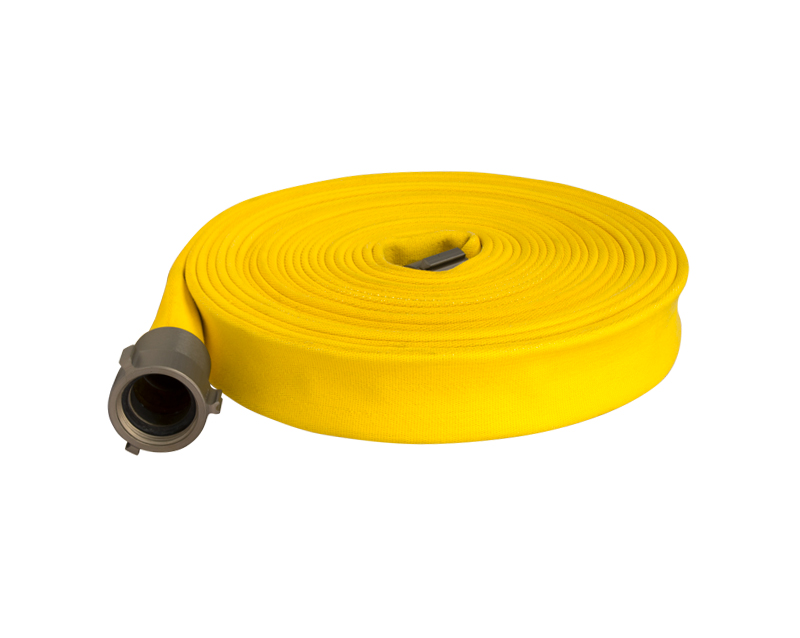
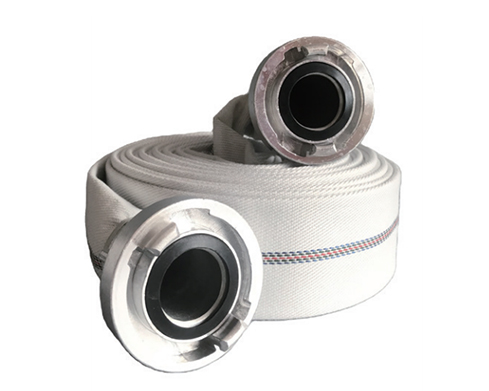
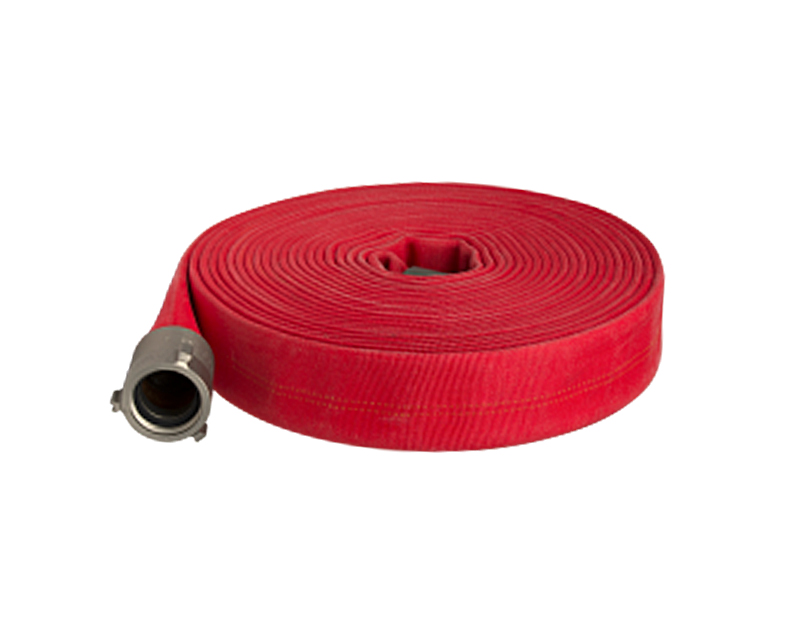
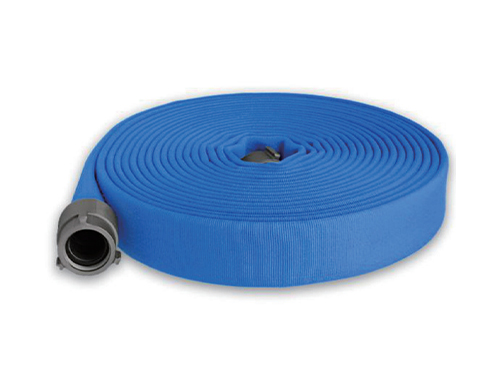
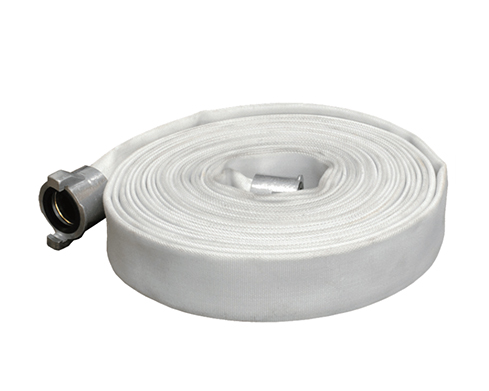
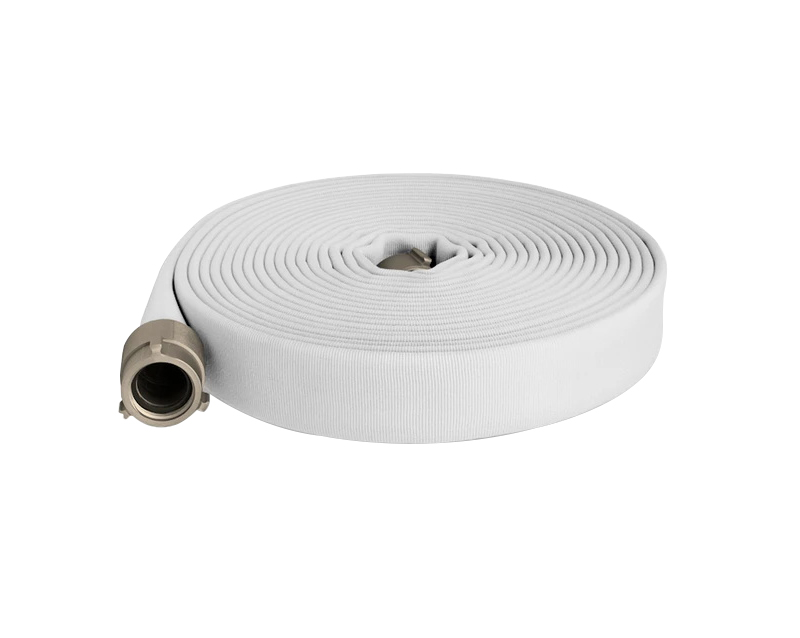
Fire hose is a critical piece of equipment that firefighters rely on to deliver water or other extinguishing agents to the scene of a fire. Without this flexible yet durable tube, efforts to control structure fires, wildfires, and industrial incidents would be severely limited. The fire hose has evolved significantly from early leather versions to modern synthetic materials that offer better performance and reliability.
The basic construction of a fire hose involves several layers. The inner tube, called the liner, carries water and must be smooth to less friction loss. A reinforcement layer, typically woven from polyester or nylon yarn, provides strength to withstand high water pressure. An outer cover protects the reinforcement from abrasion, chemicals, and heat. Many modern fire hoses use a jacket made of continuous filament polyester, which resists mold and mildew better than natural fibers.
Fire hoses come in different diameters for different purposes. A smaller diameter hose, usually one and a half or one and three-quarter inches, is commonly used for interior structure fires. This size is light enough for a single firefighter to maneuver through hallways and doorways. Larger diameter hoses, ranging from two and a half to five inches, deliver higher volumes of water for exterior attacks or supplying water from a hydrant to a fire engine. Wildland firefighting often uses even smaller diameter hoses that can be carried over rough terrain.
Couplings are the metal fittings at each end of a fire hose. These fittings allow hoses to be connected to each other, to hydrants, to pumps, and to nozzles. Threaded couplings are common in many regions, requiring users to screw the fittings together. Storz couplings use a quarter-turn locking mechanism without threads, which is faster to connect and less likely to cross-thread. Regardless of the type, couplings must form a watertight seal under pressure while remaining easy to connect and disconnect in stressful conditions.
Testing and maintenance of fire hose is essential for safety. A fire hose that fails under pressure can injure firefighters and interrupt water flow at a critical moment. Fire departments perform annual pressure tests, filling hoses with water and pressurizing them to levels above normal operating ranges. Hoses that leak, bulge, or burst during testing are removed from service. After use, fire hoses must be cleaned to remove soot, chemicals, and biological contaminants before being dried and rolled for storage.
Storage methods affect fire hose longevity. Hoses stored while still damp can develop mold or mildew, which weakens the fabric. Direct sunlight degrades many synthetic materials over time, so fire hoses are typically kept in compartments on fire apparatus or in storage racks away from windows. Proper rolling techniques prevent sharp bends that could damage the reinforcement layer. Some departments use hose washers and dryers that speed up the cleaning process while handling large volumes of hose after a major fire.
For all the technology in modern firefighting, the fire hose remains a simple but indispensable tool. It connects water supply to fire attack, delivers the flow needed for extinguishment, and holds up to conditions that would destroy lesser equipment. When firefighters advance a charged line into a burning building, the fire hose in their hands is their lifeline.
 +86-576-83015055 / 13761638108
 Hutang Industrial Park, Taizhou City, Zhejiang,China.