
 English
 中文简体
中文简体

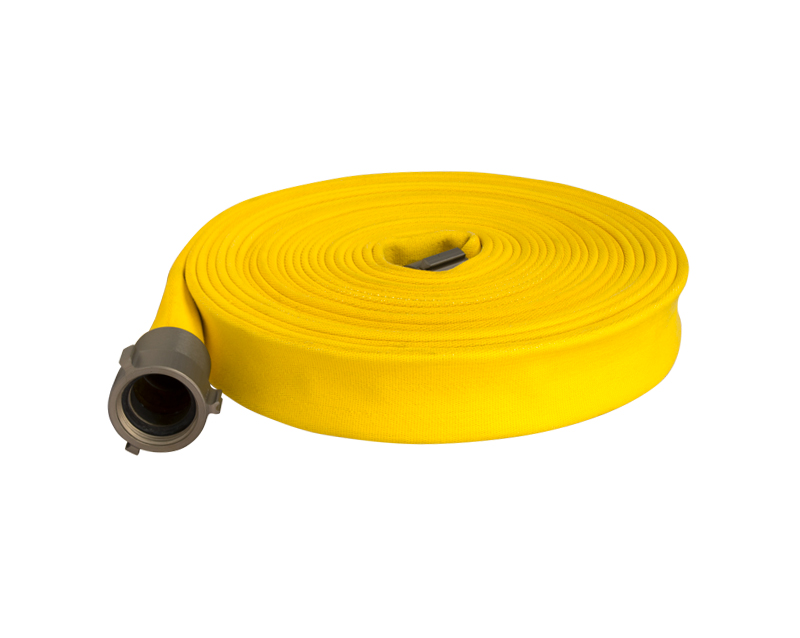
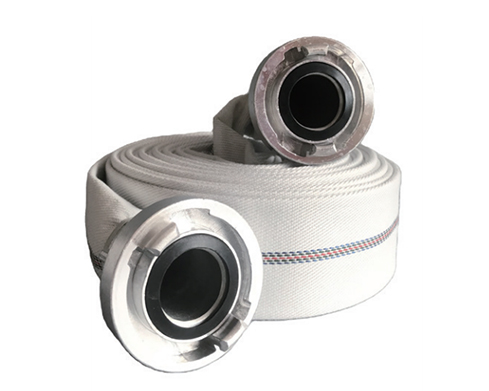
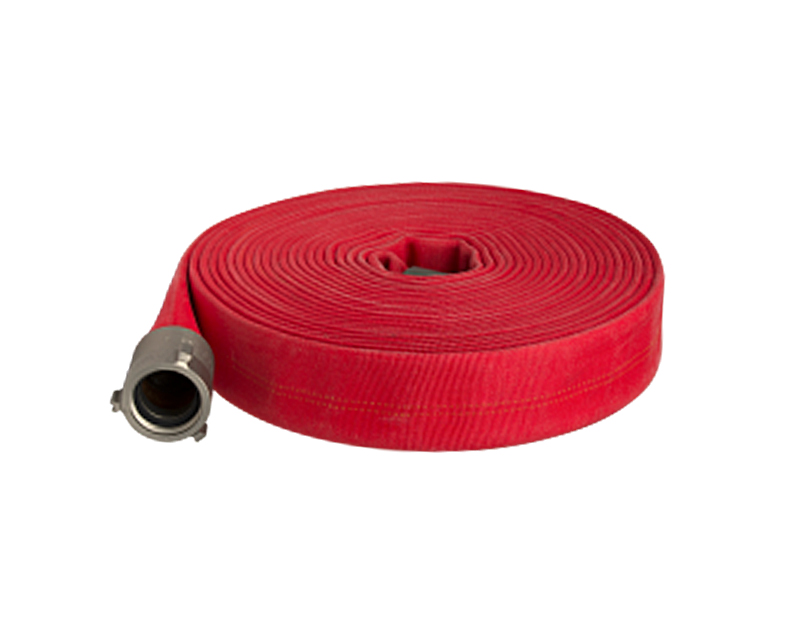
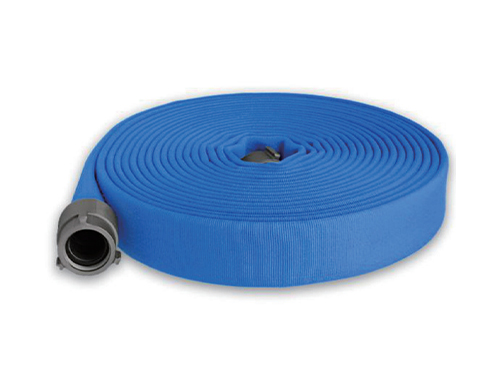
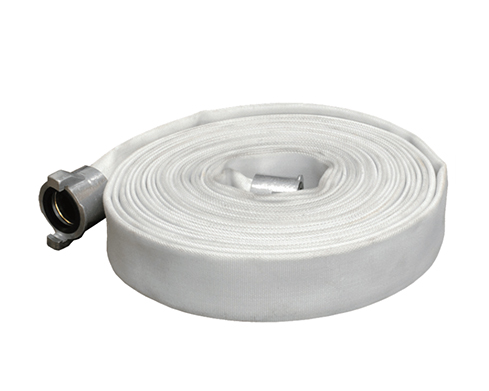
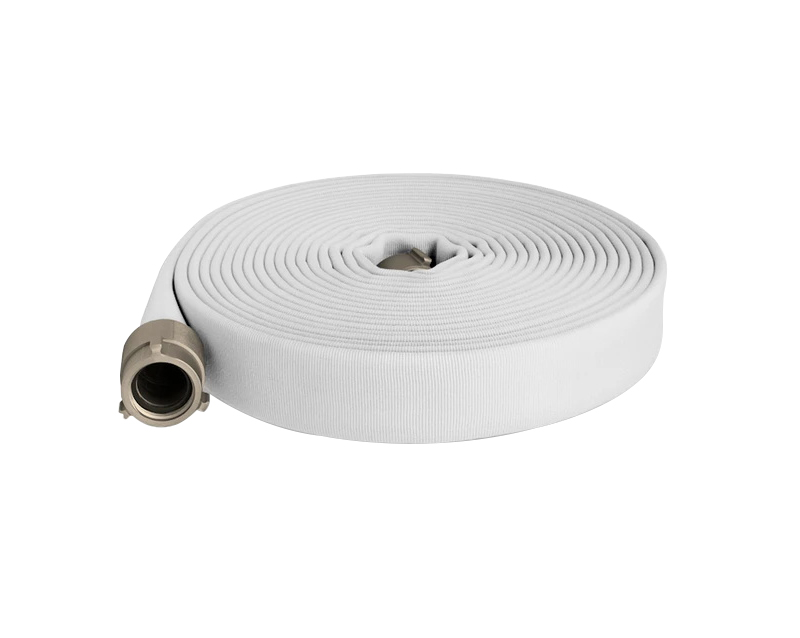
Work sites and industrial settings often require reliable ways to move liquids or other fluids across distances. A textile hose provides a practical option for these tasks. Its woven outer layer combined with an inner tube creates a flexible yet sturdy channel that supports various operations without adding excessive bulk.
Supporting Fluid Movement on Work Sites
Construction crews and industrial teams frequently need to transfer water, slurry, or other materials from one point to another. A textile hose rolls out quickly and connects to pumps or outlets with standard fittings. The flexible structure allows workers to route it around equipment, over uneven ground, or through temporary pathways.
Because the hose remains relatively light compared with rigid pipes, teams can reposition it as the project progresses. This adaptability helps keep workflows moving when layouts change during the day. A textile hose also resists kinking better than some thinner alternatives when pulled around corners or across obstacles.
Role in Agricultural Operations
Farms and large growing areas rely on consistent water delivery across fields. A textile hose stretches across rows or connects different sections of an irrigation network. Its ability to handle moderate pressure supports steady flow without frequent interruptions.
Workers can drag the hose to new sections as crops require attention. The woven exterior protects the inner lining from abrasion caused by soil, stones, or equipment traffic. In many cases, a textile hose becomes part of a temporary or seasonal setup that teams install and remove as needed throughout the growing cycle.
Features That Aid On-Site Handling
The outer textile layer gives the hose a textured surface that improves grip when workers need to pull or lift sections. Couplings at each end often attach securely and release with standard tools. Some designs include reinforced sections near the fittings to handle the extra stress that occurs at connection points.
Diameter options allow teams to match the hose to the volume of material they need to move. Narrower versions work for lighter flows, while wider ones support higher capacity transfer. A textile hose typically stays flexible across a range of temperatures common on outdoor sites, which helps maintain consistent performance from morning to afternoon.
Practical Applications Across Different Settings
Mining and material-handling sites use a textile hose to move water for dust control or to transfer process liquids. The hose can snake through tunnels or around heavy machinery where rigid lines would prove difficult to install. In manufacturing areas, it connects temporary systems during equipment changeovers or maintenance windows that do not involve permanent piping.
Fire-support teams on large properties or industrial complexes sometimes deploy a textile hose for secondary water supply lines. The quick deployment and ability to cover distance make it useful for reaching areas beyond fixed hydrants. In each of these cases, the hose serves as a mobile link rather than a fixed installation.
Choosing Dimensions and Configuration
Length and diameter influence how a textile hose performs on a given site. Shorter runs suit tight spaces, while longer continuous sections reduce the number of connections required. Teams often select a length that matches the typical distance between water sources and application points.
The weave pattern and reinforcement level affect how the hose responds to bending and pulling. A textile hose with a balanced construction remains easy to handle yet holds its shape under working pressure. Checking the compatibility of end fittings with existing pumps and valves helps ensure smooth integration into current operations.
 +86-576-83015055 / 13761638108
 Hutang Industrial Park, Taizhou City, Zhejiang,China.