
 English
 中文简体
中文简体

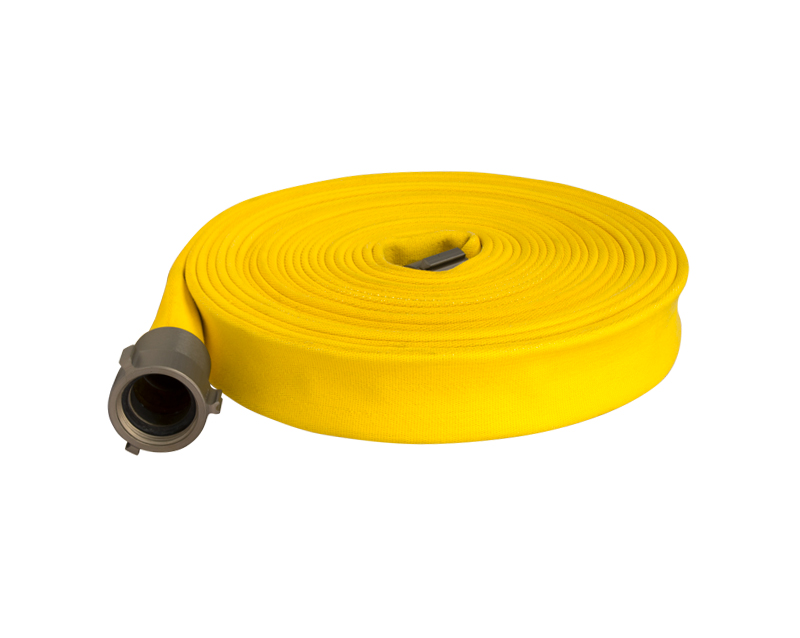
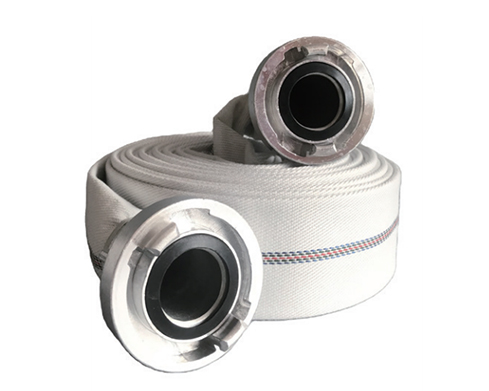
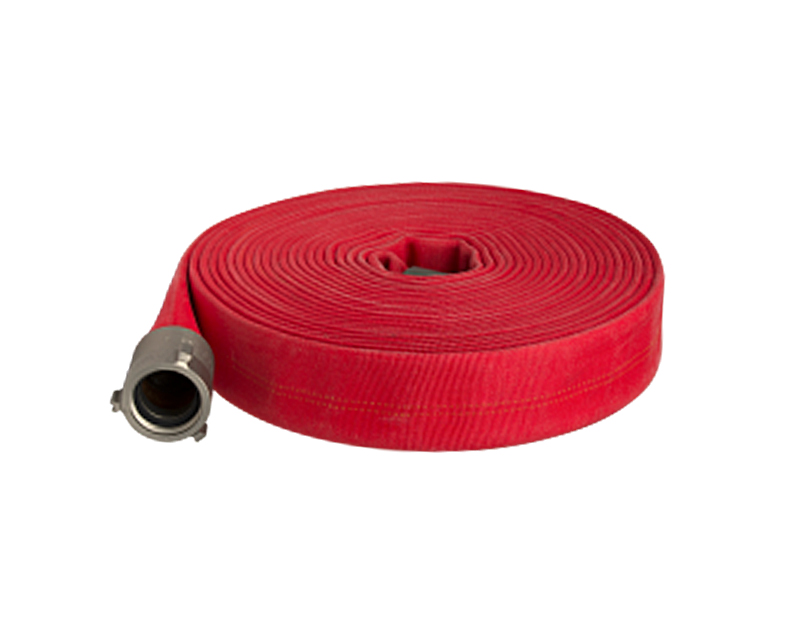
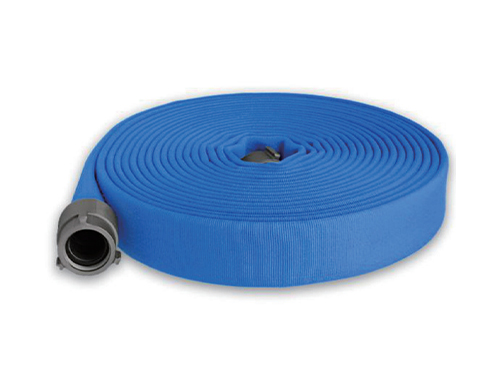
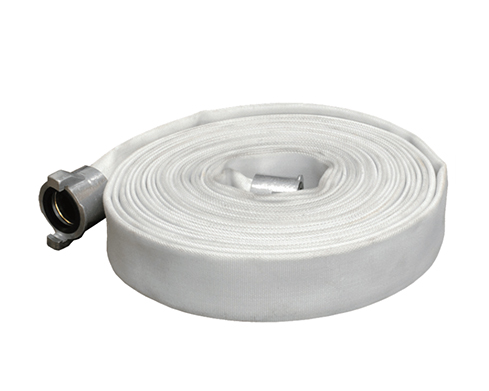
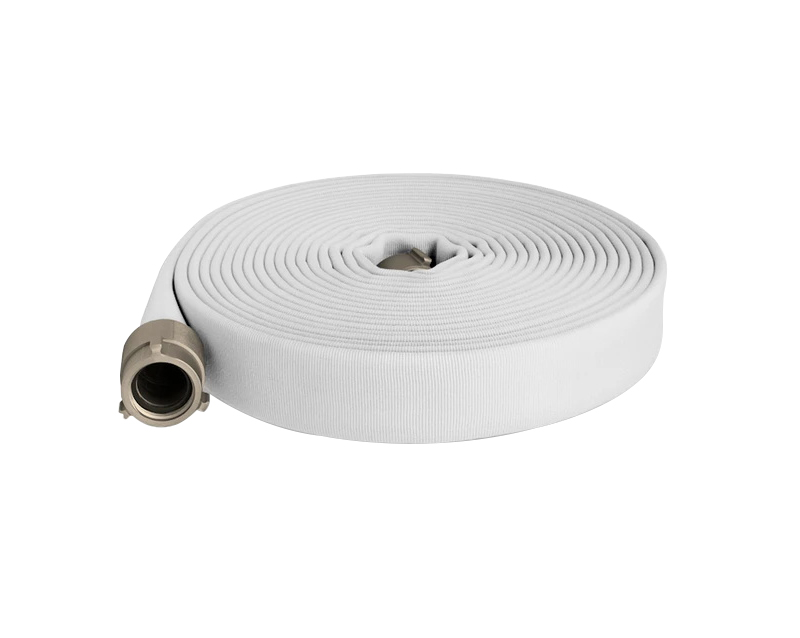
Across industrial, agricultural, and construction sectors, the reliable transfer of air, water, dust, and granular materials is often facilitated by a flexible and durable product: the textile hose. This type of hose, constructed from woven or knitted fabric materials coated or impregnated with rubber, PVC, or polyurethane, offers a balance of strength, flexibility, and lightweight performance. The widespread use of textile hose products highlights their essential role as a practical and adaptable solution for numerous material handling and ventilation applications where rigid piping is impractical.
The construction of a textile hose typically involves a core fabric sleeve made from synthetic fibers like polyester or nylon. This fabric provides the hose with its tensile strength and defines its flexibility. The fabric is then coated or laminated with a polymeric material to make it airtight, water-resistant, or resistant to specific chemicals and abrasion. This combination creates a textile hose that can withstand internal pressure, maintain its shape under suction, and resist kinking. Variations in the weave density, fabric thickness, and coating material allow manufacturers to produce textile hose products tailored for different pressure ratings, environmental conditions, and media types.
The applications for textile hose are remarkably diverse. In agricultural settings, textile hose is commonly used for irrigation, grain handling, and as discharge hose for crop sprayers. The industrial sector utilizes textile hose for pneumatic conveying of powders and pellets, for dust and fume extraction in workshops, and for general-purpose ventilation. Lightweight textile hose is also employed in construction for concrete pumping (as a supplementary line), dewatering, and providing fresh air to confined spaces. Its flexibility makes it easy to deploy and store, a significant advantage over heavier rubber or metal hose alternatives.
A key advantage of the textile hose is its combination of performance and handling characteristics. Compared to all-rubber hoses, a textile hose is generally much lighter, reducing operator fatigue during setup and movement. It remains flexible in cold temperatures and is often more resistant to crushing or permanent deformation. Many textile hose designs are also engineered to be static-dissipative, a critical safety feature when handling flammable dusts or powders. The availability of textile hose in a wide range of diameters and lengths, often with factory-fitted couplings, makes it a highly configurable component for building custom transfer systems.
Selection of the appropriate textile hose requires consideration of the material being conveyed, the operating pressure (both positive and vacuum), temperature range, and any required regulatory certifications. For example, a textile hose used for food-grade applications must use approved coatings, while one used in mining might require enhanced fire resistance. Proper care, including regular inspection for cuts, abrasion, or damaged couplings, and cleaning to prevent internal buildup, extends the service life of a textile hose.
Innovation in the textile hose sector is likely to focus on developing more durable and chemically resistant coatings, integrating smart sensor technology for monitoring hose integrity or flow, and enhancing sustainability through the use of recycled fabrics or bio-based coatings. As industries continue to seek efficient, safe, and ergonomic material handling solutions, the textile hose will maintain its relevance. Its fundamental design principle—combining a strong, flexible fabric skeleton with a protective, functional skin—ensures it remains a go-to choice for safely and efficiently moving a wide variety of substances wherever flexible conveyance is needed.
 +86-576-83015055 / 13761638108
 Hutang Industrial Park, Taizhou City, Zhejiang,China.