
 English
 中文简体
中文简体

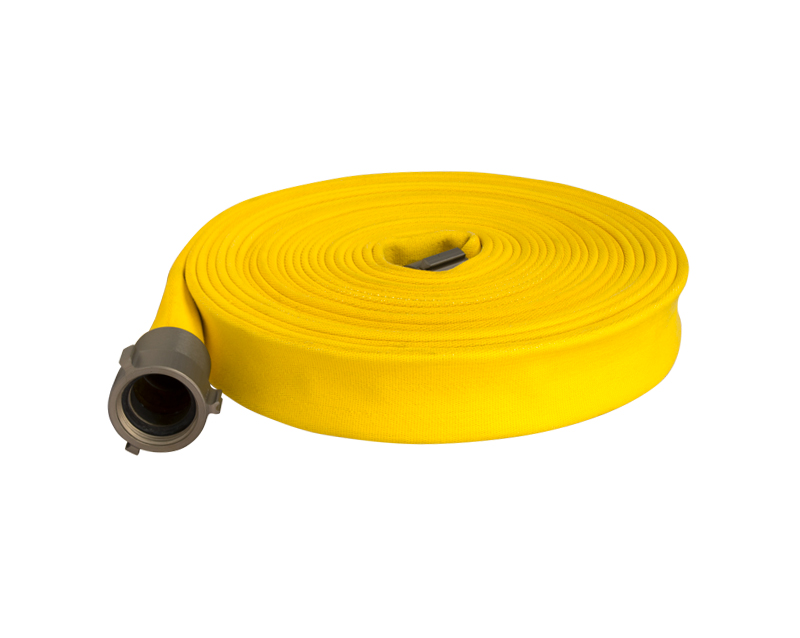
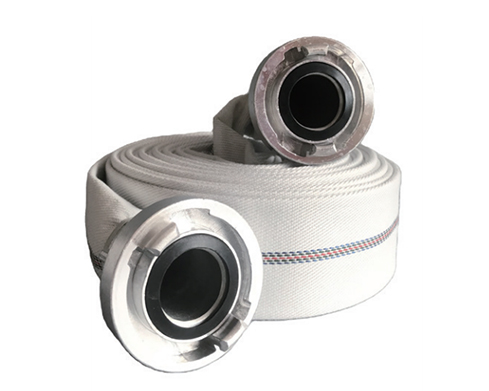
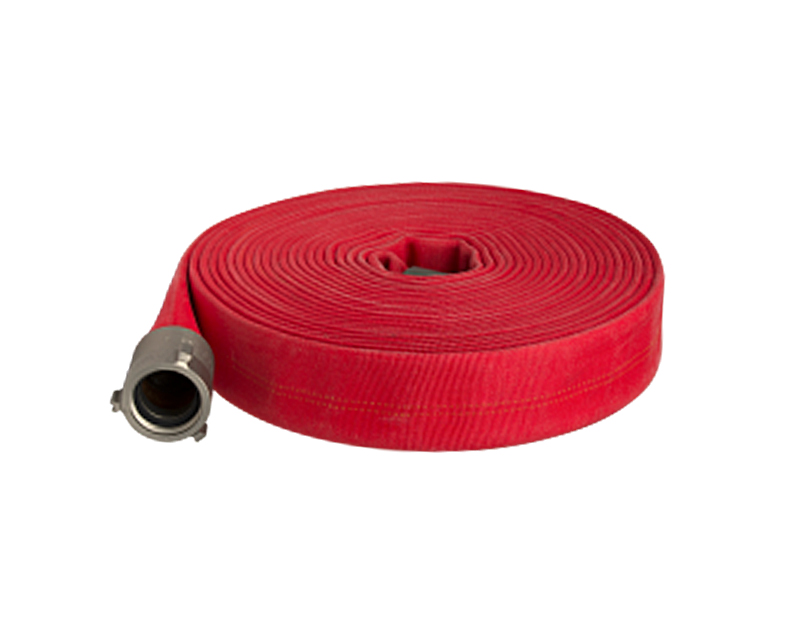
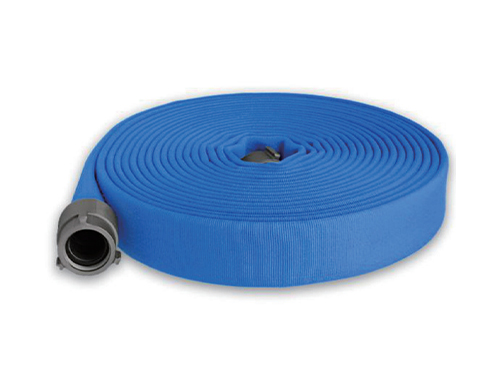
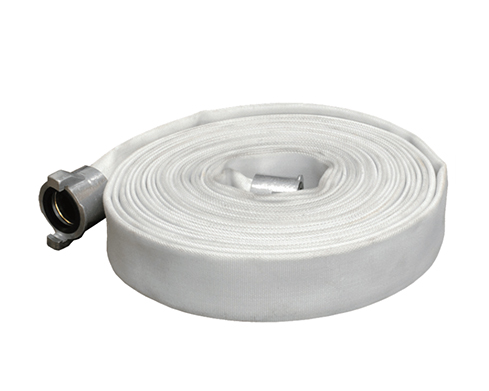
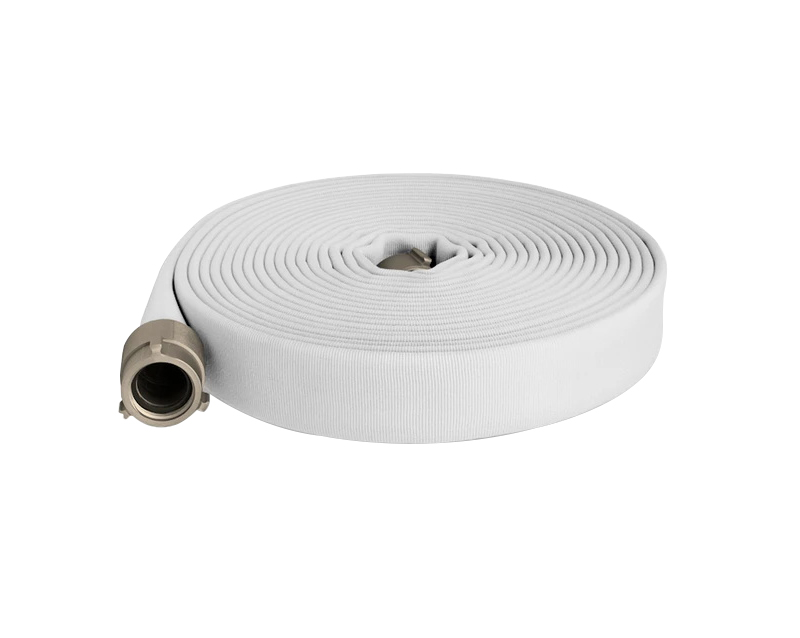
In the vital infrastructure of firefighting, ensuring a reliable and uninterrupted water supply is paramount. At the heart of this hydraulic network lies a small but indispensable component: the fire hose connector. Also commonly known as a coupling, this engineered fitting is responsible for joining lengths of fire hose to each other, to fire hydrants, to pumpers, and to nozzles. The integrity and performance of the fire hose connector directly influence the efficiency, pressure, and safety of water delivery during emergency response operations.
The primary function of a fire hose connector is to create a secure, leak-resistant, and rapid connection under high pressure. Standardization is a cornerstone of its design. Many regions adhere to specific thread standards, such as National Standard Thread or Quick Connect/Disconnect interfaces, ensuring compatibility between equipment from different manufacturers and across municipal lines. A typical fire hose connector consists of two mating parts: a male thread and a female thread, each featuring robust lugs or external ribs. These allow firefighters to quickly tighten the connection using a spanner wrench, creating a metal-to-metal seal with an integrated gasket that prevents water loss. The ability to make and break these connections swiftly is crucial during the dynamic evolution of a fireground operation.
The materials and construction of a fire hose connector are selected for exceptional durability and corrosion resistance. They are typically forged or machined from high-grade aluminum alloys or brass. These materials provide the necessary strength to withstand the high internal water pressure—often exceeding several hundred psi—and the physical abuse of being dragged over rough surfaces. The internal gasket, usually made from synthetic rubber, must maintain its elasticity and sealing properties across a wide temperature range and after repeated use. A reliable fire hose connector is designed to function flawlessly for years, withstanding exposure to weather, water, and incidental impacts.
The application of the fire hose connector defines the layout of fire attack and supply lines. Large-diameter fire hose connector fittings are used on supply lines that move water from a hydrant to the fire engine's pump. Smaller-diameter attack lines, which carry water from the pump to the nozzle, utilize corresponding fire hose connector sizes. Specialized adapters and reducers also exist within the fire hose connector family, allowing crews to bridge incompatible thread types or connect hoses of different diameters, providing critical flexibility in resource-limited situations.
Maintenance and inspection protocols for the fire hose connector are rigorous and routine. After each use, connectors are cleaned to remove debris that could damage threads or gaskets. They are visually inspected for cracks, worn threads, damaged lugs, and deteriorating gaskets. Regular pressure testing ensures that each fire hose connector can perform as required. This disciplined care cycle is non-negotiable, as a single failed connection can compromise an entire hose line, potentially endangering firefighters and reducing water flow to the fire.
Innovation in fire hose connector technology continues to focus on enhancing speed, safety, and reliability. While traditional threaded designs remain dominant, push-and-twist quick-connect systems are used in some applications for faster coupling. As the essential mechanical link that turns individual hose lengths into a continuous conduit for water, the fire hose connector will continue to be a fundamental, though often overlooked, cornerstone of effective firefighting, ensuring that when a connection is made, it holds under the many demanding conditions.
 +86-576-83015055 / 13761638108
 Hutang Industrial Park, Taizhou City, Zhejiang,China.