
 English
 中文简体
中文简体

In the critical arsenal of firefighting equipment, the fire hose remains a fundamental and irreplaceable tool. Its evolution, from early leather sleeves to today’s advanced synthetic constructions, reflects a continuous pursuit of reliability, durability, and performance under bad conditions. The modern fire hose is a product of sophisticated engineering, designed to meet the complex demands of both structural and wildland firefighting while ensuring firefighter safety.
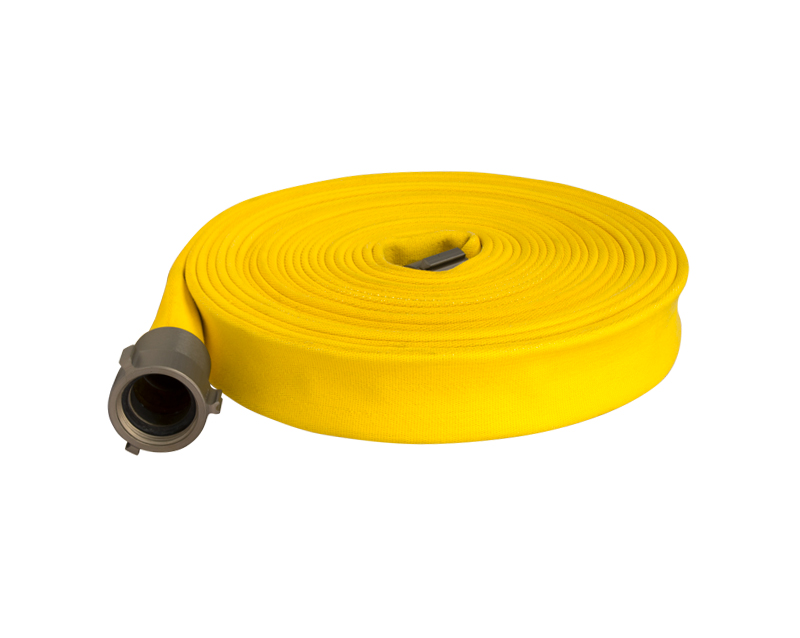
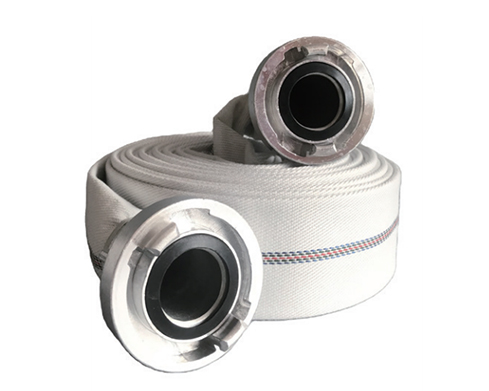
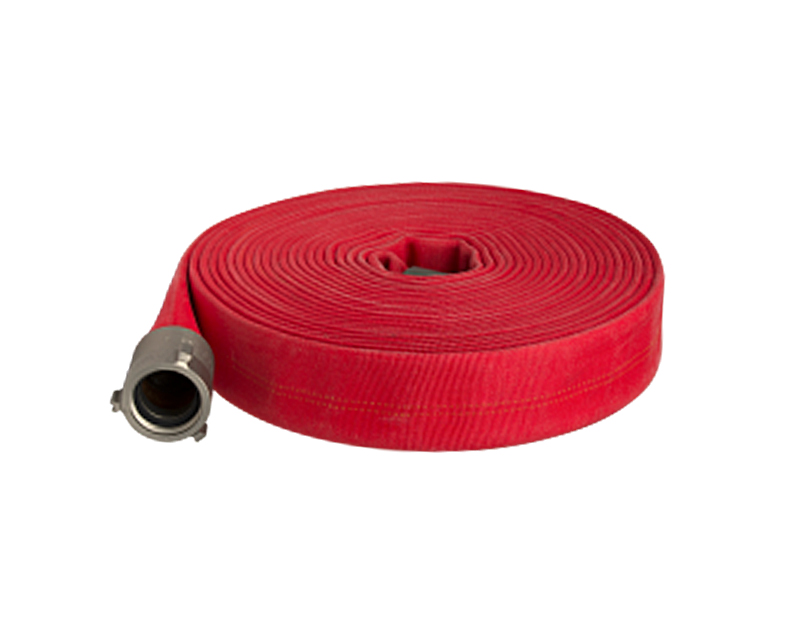
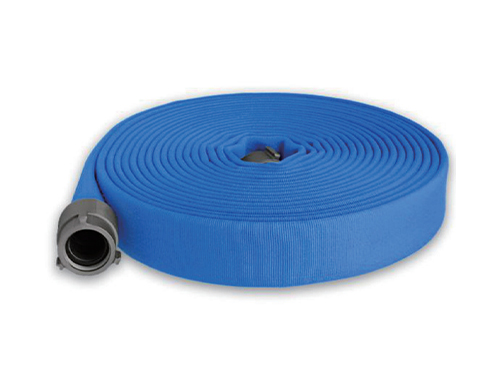
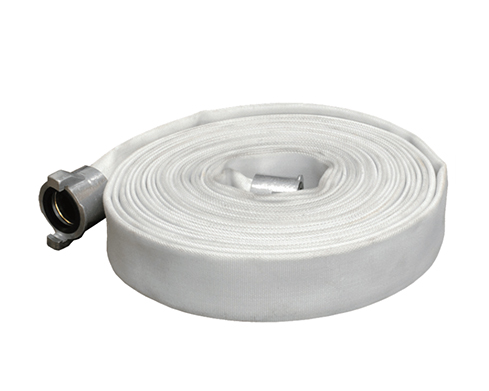
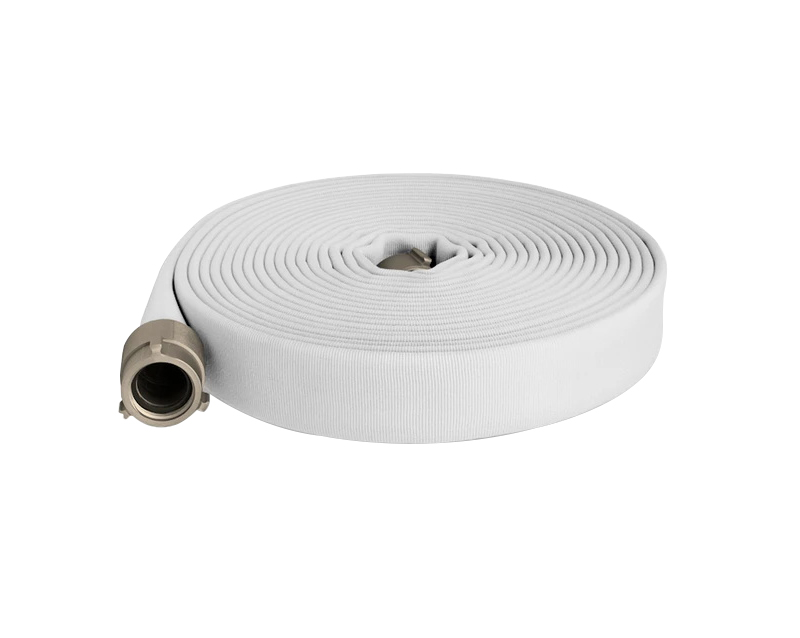
A typical fire hose functions as the vital conduit for delivering water or other extinguishing agents from a pressurized source to the seat of a fire. Its construction is meticulously layered to withstand high internal pressure, abrasion, heat exposure, and harsh environmental chemicals. Modern fire hose designs commonly feature a synthetic rubber inner tube to ensure a smooth, consistent water flow, reinforced by one or more layers of high-strength polyester or nylon yarn. An exterior jacket, often made from durable woven synthetics or rubber, provides protection against physical damage, weathering, and heat.
The specifications of a fire hose are tailored to its specific application. Large-diameter fire hose lines, often referred to as supply or relay hoses, are designed to move large volumes of water from a hydrant or static source to a fire engine. Attack lines, typically of smaller diameter, are maneuvered by firefighters to directly engage a fire; these hoses balance water delivery with manageable handling characteristics. Specialized variants exist, including forestry hoses for wildland fires, which are lightweight and highly flexible, and booster hoses carried on initial attack vehicles.
Technological advancements have significantly enhanced fire hose performance and safety. The development of lightweight materials has reduced the physical strain on firefighters during deployment and advancement. Improvements in coupling design—the metallic connectors at each end of a fire hose—ensure swift, secure, and leak-resistant connections under pressure. Furthermore, modern manufacturing techniques have led to hoses with enhanced resistance to mildew, ozone, and chemical degradation, extending service life and ensuring readiness. Some contemporary fire hose products also incorporate features like increased kink resistance and improved flexibility in cold weather.
Maintenance and testing protocols for the fire hose are rigorous and standardized, underscoring its critical role. After each use, a fire hose must be thoroughly cleaned, inspected for cuts, abrasions, or coupling damage, and dried properly to prevent internal damage. Regular pressure testing is conducted to verify its integrity, ensuring it will perform as expected during an emergency. This disciplined care cycle is essential for preserving the reliability of this key piece of equipment.
The operational environment for a fire hose is expanding and becoming more challenging. Urban firefighting requires hoses that can withstand abrasion from debris and rough surfaces during structure fires. In wildland-urban interface areas, hoses must be robust yet lightweight for rapid deployment over long distances. Industrial settings may demand specialized fire hose types resistant to specific chemicals or bad heat. The versatility and adaptability of the fire hose are thus continually tested and refined.
The fire hose stands as a testament to the principle that foundational tools evolve rather than become obsolete. While fire apparatus and detection technology grow more advanced, the need to deliver water effectively from source to flame remains constant. Through continuous innovation in materials and design, the modern fire hose continues to prove its indispensable value, serving as the literal lifeline that connects the courage of firefighters to the power required to protect lives and property.
 +86-576-83015055 / 13761638108
 Hutang Industrial Park, Taizhou City, Zhejiang,China.