
 English
 中文简体
中文简体

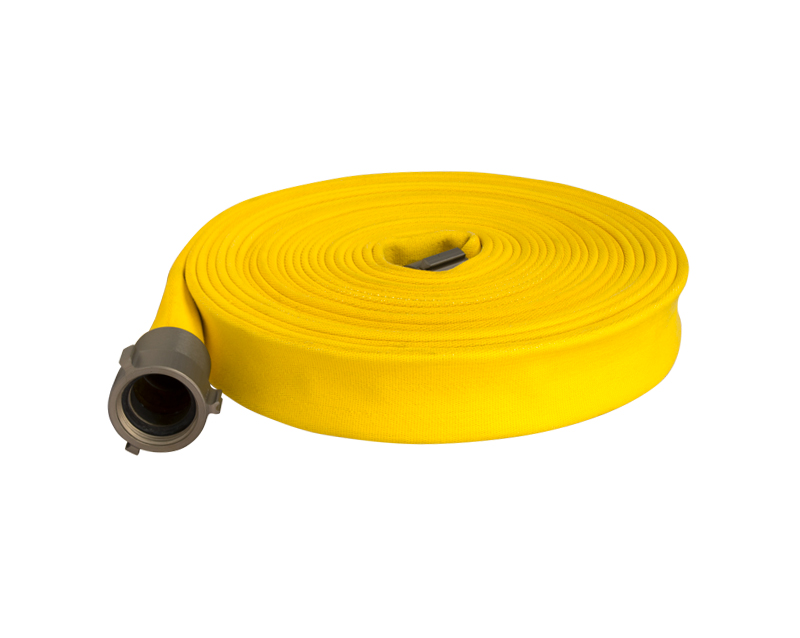
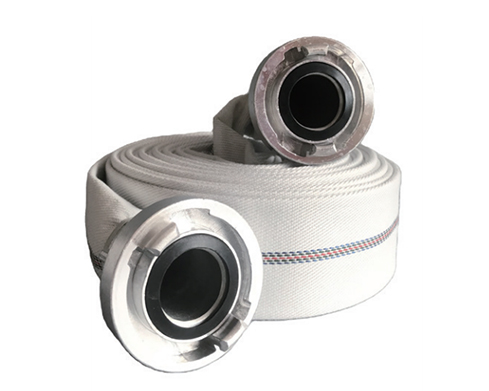
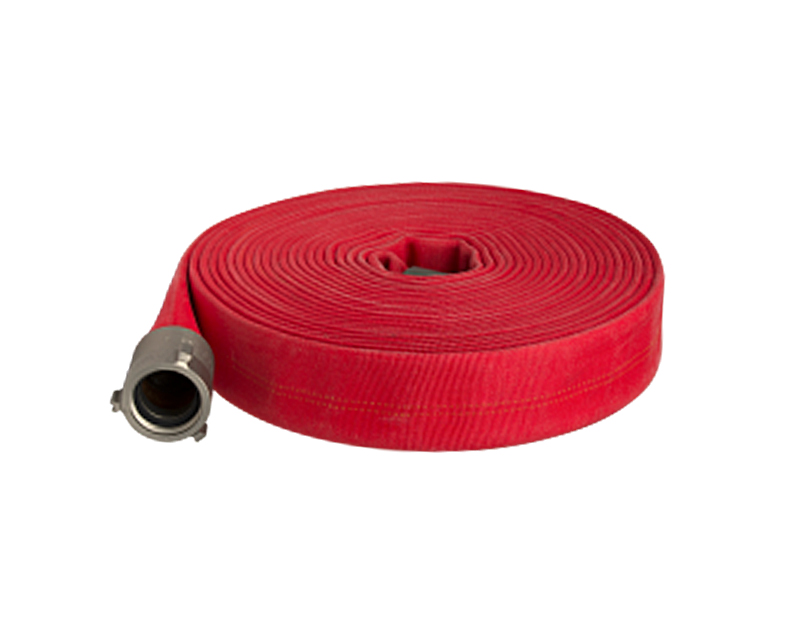
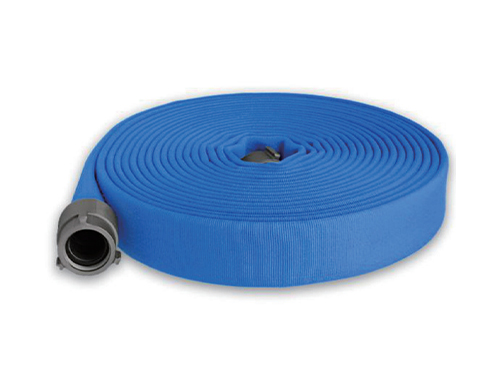
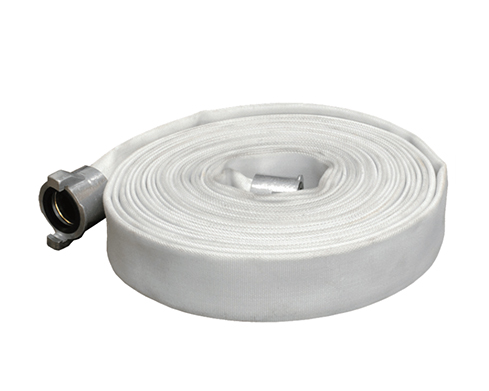
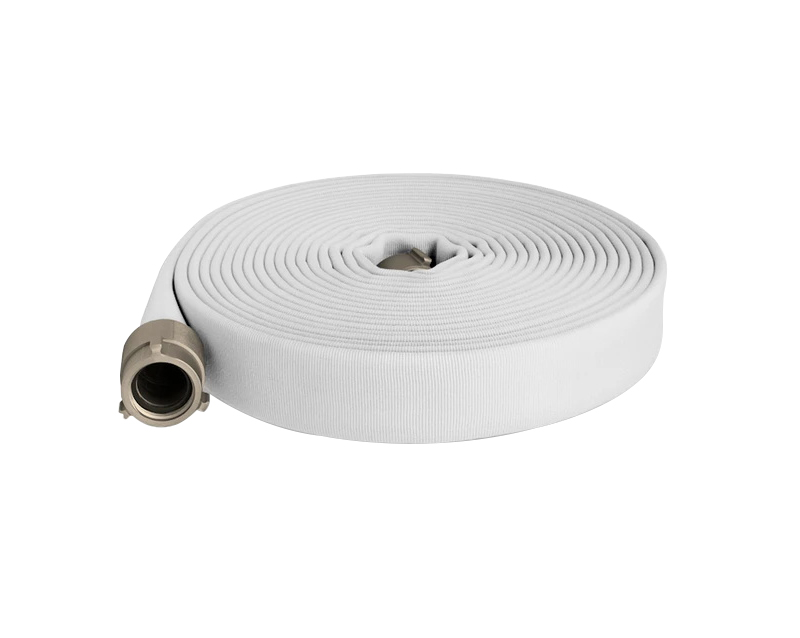
Warehouses supplying industrial and agricultural equipment dealers have kept a steady flow of orders moving for one product category that doesn't get much attention until something fails mid-job. Durable hose, whether it's headed for a construction site, a farm irrigation system, or a factory floor running pneumatic tools, gets chosen based on a fairly narrow set of technical questions rather than appearance or brand recognition.
Construction Layers Determine Real-World Performance
What makes a hose count as durable hose in a buyer's eyes usually comes down to how many layers sit between the inner tube and the outer cover. A basic single-layer hose might handle light-duty tasks, but anything exposed to higher pressure, abrasion, or temperature swings typically needs reinforcement built into the wall itself. Braided reinforcement, whether textile or wire, adds burst resistance without making the hose too stiff to coil and store between jobs.
Wall thickness plays into this too, though it's not a simple case of thicker being better across the board. A thicker wall resists abrasion and kinking, but it also adds weight and reduces flexibility, which matters on job sites where a hose gets dragged, coiled, and uncoiled multiple times a day. Suppliers producing durable hose for industrial accounts usually offer a few wall thickness options within the same diameter, letting a buyer weigh flexibility against wear resistance based on the specific job the hose is meant for.
Material Choice Depends on What's Flowing Through It
The fluid or material passing through a hose changes what "durable" actually means in practice. A hose carrying water behaves differently under stress than one carrying compressed air, hydraulic fluid, or abrasive slurry. Rubber compounds tend to hold up well across temperature swings and offer good flexibility in cold weather, while PVC and PVC-blend hoses are lighter and often cost less to produce, though they can stiffen in colder conditions. Composite and thermoplastic options split the difference in some applications, offering chemical resistance that straight rubber or PVC can't always match.
A few material and spec questions come up consistently when buyers compare durable hose options across suppliers:
- Compatible fluid or media type, since chemical exposure can degrade certain inner tube materials over time
- Working pressure and burst pressure ratings, which need to match the equipment the hose connects to
- Temperature range the hose can handle without cracking or softening
- Coil memory, meaning how well the hose returns to a straight or coiled shape after use
Fitting Compatibility Shapes Order Specifications
A hose that performs well on its own can still cause problems if it doesn't pair cleanly with the fittings and couplings already in use at a facility. Buyers sourcing durable hose for replacement or expansion projects often specify fitting type alongside hose diameter, since mismatched threading or coupling styles can turn a straightforward reorder into a troubleshooting delay once the shipment arrives.
Crimped versus reusable fittings is another distinction that shows up in procurement conversations, particularly for hydraulic applications where a failed fitting under pressure creates a real safety concern on the job site. Some buyers request durable hose and fittings as a pre-assembled unit to reduce the chance of an improper field connection, while others prefer to source durable hose and fittings separately and assemble on-site using their own crews.
 +86-576-83015055 / 13761638108
 Hutang Industrial Park, Taizhou City, Zhejiang,China.