
 English
 中文简体
中文简体

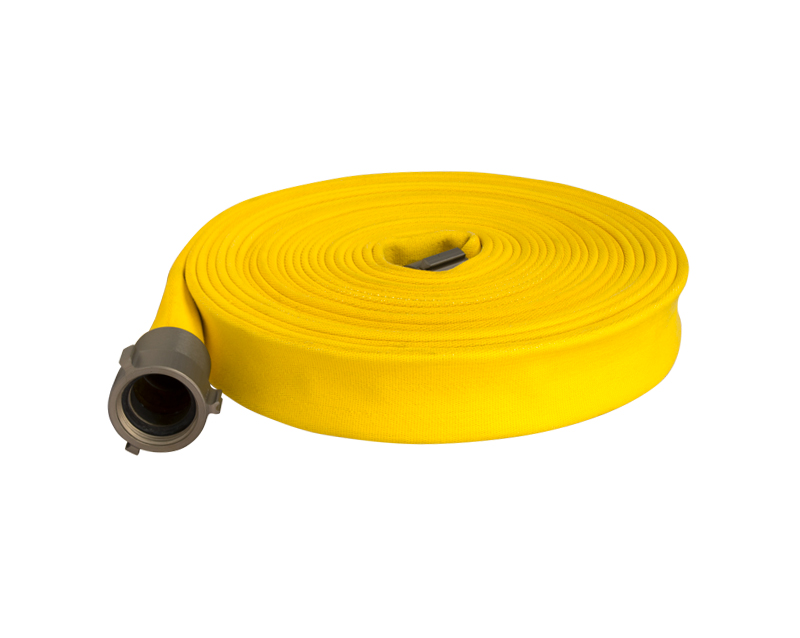
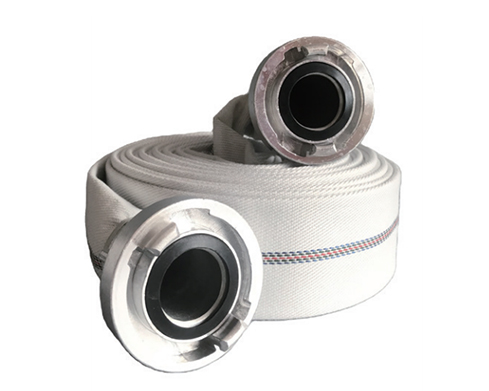
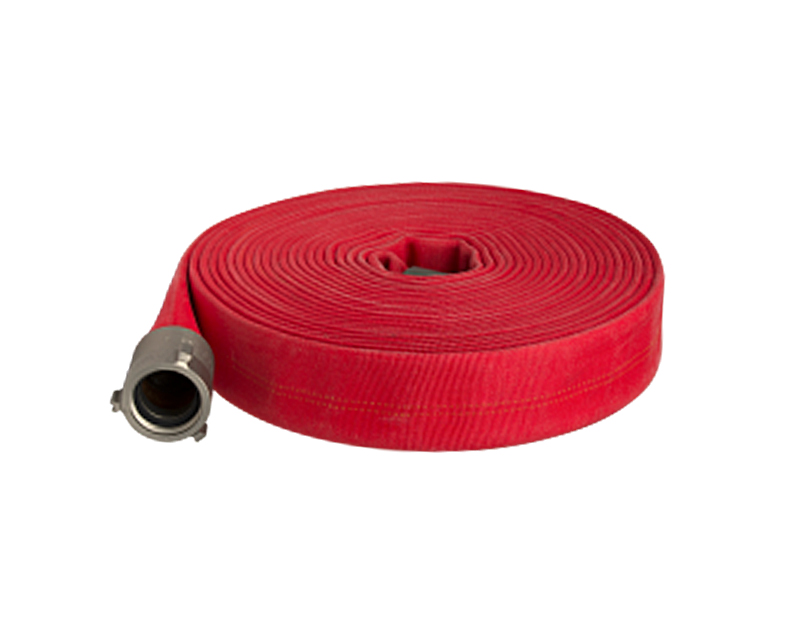
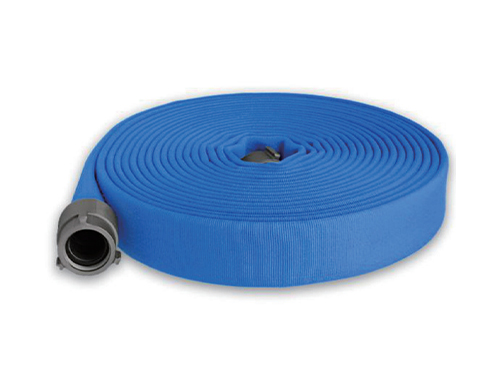
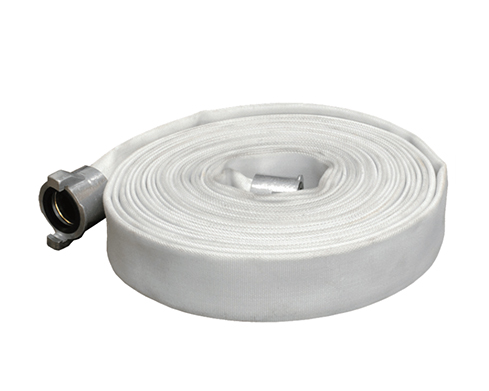
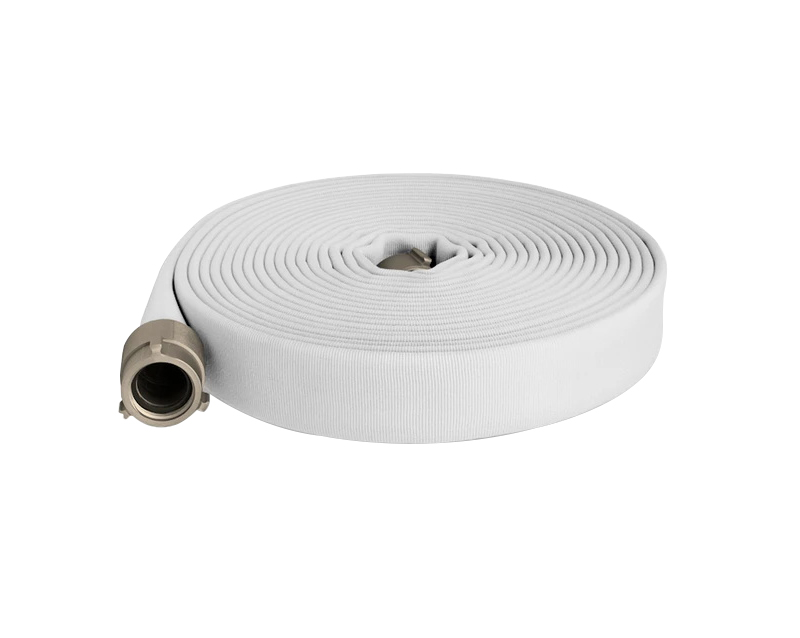
The fire hose solution refers to the complete system of hoses, couplings, nozzles, and water supply connections used by firefighting teams to deliver water to a fire scene. A fire hose solution includes the hose itself, which is a flexible tube designed to withstand high water pressure while remaining manageable for firefighters to carry and position. The typical fire hose solution uses a fabric jacket made of polyester or nylon, with an inner rubber lining that prevents water leakage. fire hose solution products are available in diameters ranging from 38 to 150 millimeters, with 45 and 65 millimeter sizes being the common for structural firefighting. The length of a single section in a fire hose solution is usually 15 or 30 meters, allowing firefighters to connect multiple sections to reach distant areas of a fire.
The construction of a fire hose solution involves several layers of material for durability and performance. The outer jacket of a fire hose solution is woven from continuous filament yarns that resist abrasion when dragged across rough surfaces such as concrete or asphalt. Some fire hose solution designs include a double jacket construction, with two woven layers providing additional strength for high-pressure applications. The inner liner of a fire hose solution is made from synthetic rubber or thermoplastic polyurethane, materials that remain flexible under a range of temperatures. The couplings attached to each end of a fire hose solution are typically made of brass, aluminum, or hard-coated steel. These couplings in a fire hose solution use standardized connection mechanisms, such as threaded fittings or Storz-type quarter-turn connections, allowing different sections to be joined quickly.
Pressure ratings are an important specification for any fire hose solution. A standard fire hose solution for interior structural firefighting is rated for working pressures between 10 and 20 bar, with burst pressures of 30 to 60 bar. A high-pressure fire hose solution used for wildland firefighting or industrial applications may have working pressures up to 40 bar. The friction loss within a fire hose solution increases with the length of the hose and decreases with larger diameters. A fire hose solution of 45 millimeter diameter loses approximately 1.5 bar of pressure over 100 meters at a flow rate of 400 liters per minute. Firefighters calculate these losses when designing a fire hose solution for a specific incident, ensuring that adequate pressure reaches the nozzle.
A fire hose solution is typically tested annually at pressures higher than the normal operating range to verify its integrity. During a service test, the fire hose solution is filled with water and pressurized to 20 bar for a standard rated hose, held for several minutes while inspectors look for leaks or bulging sections. Any fire hose solution showing signs of damage, such as cuts in the jacket, cracked couplings, or stiff sections of liner, is removed from service for repair or disposal. After use at a fire, the fire hose solution is washed to remove soot, chemicals, and other contaminants before being hung to dry completely. A properly maintained fire hose solution can remain in service for 10 to 20 years, depending on the frequency of use and the conditions encountered. The fire hose solution remains a fundamental tool for water delivery in firefighting, with designs that balance strength, flexibility, and ease of handling for emergency responders.
 +86-576-83015055 / 13761638108
 Hutang Industrial Park, Taizhou City, Zhejiang,China.