
 English
 中文简体
中文简体

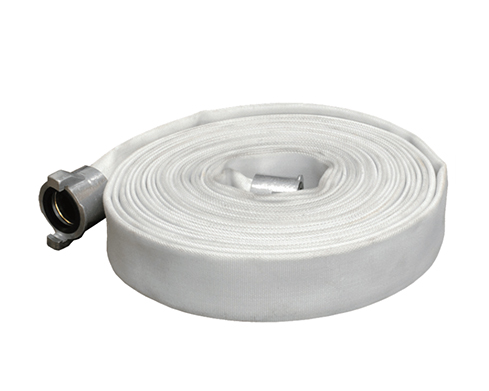
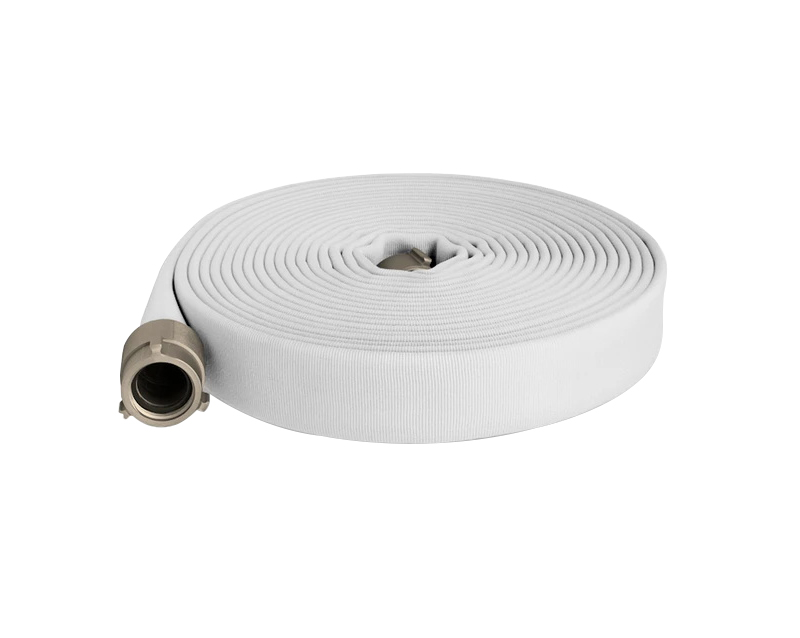
The PVC covered fire hose has become a widely used tool for fire departments and industrial safety teams. Unlike traditional rubber-lined hoses with external textile jackets, the PVC covered fire hose features a layer of polyvinyl chloride that protects the inner tube. This outer covering gives the PVC covered fire hose improved resistance to abrasion, chemicals, and weather exposure. Firefighters working in urban or industrial environments often encounter sharp edges, rough pavement, and spilled materials. A damaged hose can fail under pressure, making the durability of the PVC covered fire hose an important consideration for safety personnel. Over the past several decades, this type of hose has been adopted by many organizations that require reliable water delivery for fire suppression.
The construction of a PVC covered fire hose typically involves multiple layers. An inner tube, often made of synthetic rubber or thermoplastic, carries the water. Surrounding this tube is a reinforcement layer of high-strength synthetic yarn, such as polyester, which provides the pressure resistance needed for firefighting operations. The outermost layer of the PVC covered fire hose is the polyvinyl chloride coating. This coating bonds to the reinforcement layer during manufacturing, creating a unified structure. The result is a PVC covered fire hose that remains flexible enough to be folded or rolled, yet sturdy enough to resist cuts and dragging damage. Unlike all-rubber hoses that can become heavy when wet, the PVC covered fire hose offers a balance of weight and toughness.
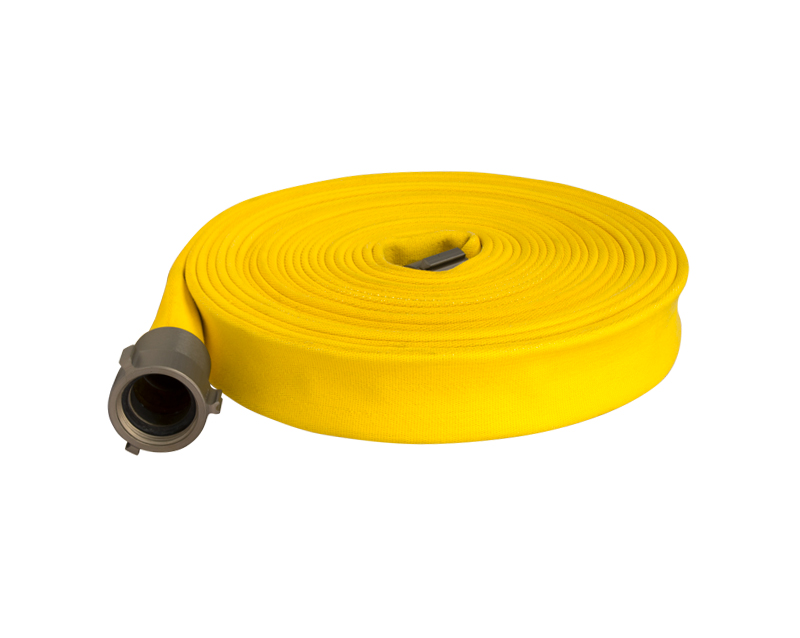
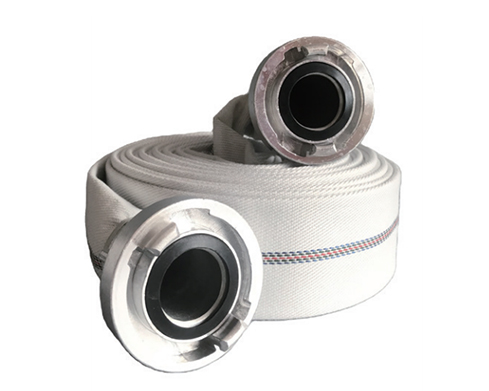
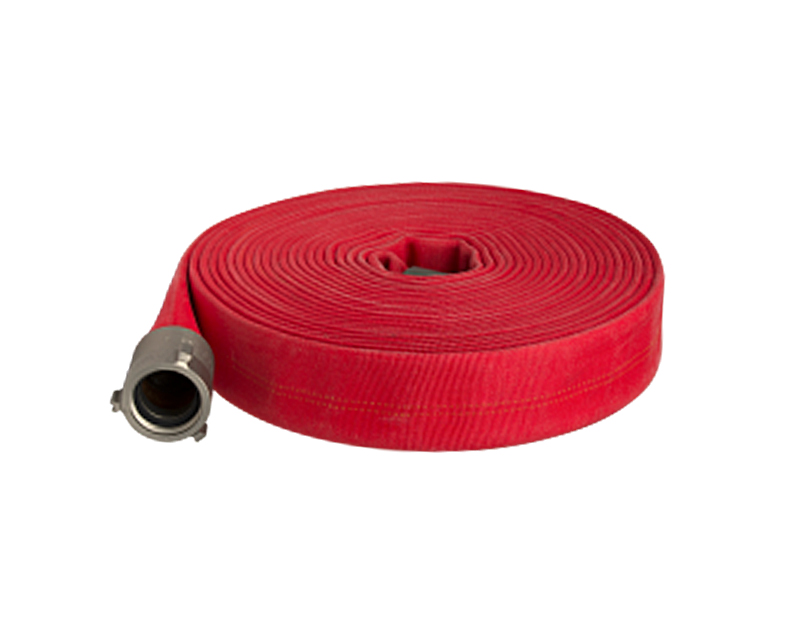
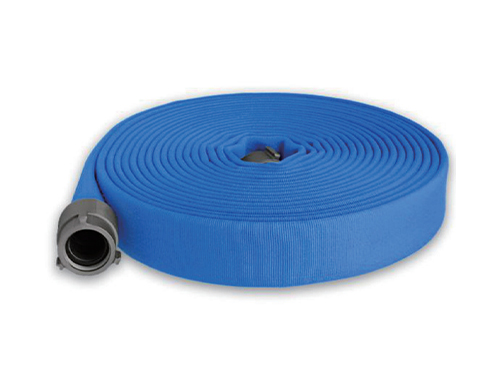
Field performance of the PVC covered fire hose has been documented in various settings. Municipal fire departments often keep PVC covered fire hose on their vehicles for general attack and supply lines. Industrial facilities, such as chemical plants or oil refineries, may select the PVC covered fire hose for its resistance to fuel spills and cleaning solvents. The smooth outer surface of the PVC covered fire hose also makes it easier to clean after use in muddy or contaminated environments. Firefighters can quickly rinse off the hose and return it to service without extended downtime. The color of the PVC covered fire hose can be customized during production, allowing departments to assign different colors for different pressure ratings or service roles. This visual coding helps crews identify the correct PVC covered fire hose quickly during emergency response.
Maintenance requirements for the PVC covered fire hose differ somewhat from those of traditional cotton-jacket hoses. The non-absorbent nature of the PVC covering means the hose does not soak up water, reducing drying time after use. However, the PVC covered fire hose should still be inspected regularly for cuts, punctures, or chemical damage. Small scratches on the surface of a PVC covered fire hose generally do not affect performance, but deep cuts into the reinforcement layer require repair or replacement. Most manufacturers of PVC covered fire hose provide guidelines for field repairs using repair clamps or replacement sections.
The PVC covered fire hose is likely to remain a common choice for ground-based firefighting applications. Its combination of abrasion resistance, chemical tolerance, and manageable weight meets the needs of many fire departments and industrial safety teams. While other hose types exist for specialized situations, the PVC covered fire hose offers a practical balance of properties for general duty. For crews who need a hose that can be dragged across concrete, dragged through debris, and still deliver water on demand, the PVC covered fire hose continues to serve a valuable role in fire protection.
 +86-576-83015055 / 13761638108
 Hutang Industrial Park, Taizhou City, Zhejiang,China.