
 English
 中文简体
中文简体

When confronting a structure fire, the iconic image is often a team of firefighters advancing a charged line toward the flames. The critical technology enabling this is not a single product, but an integrated fire hose solution. This term encompasses the complete system required to reliably deliver water from a static source to a dynamic firefight: the hoses themselves, their couplings, the appliances that manage water flow, and the specialized accessories that ensure deployment and durability. A modern fire hose solution represents a holistic approach to moving water under pressure, where every component's performance is interdependent and vital for operational success.
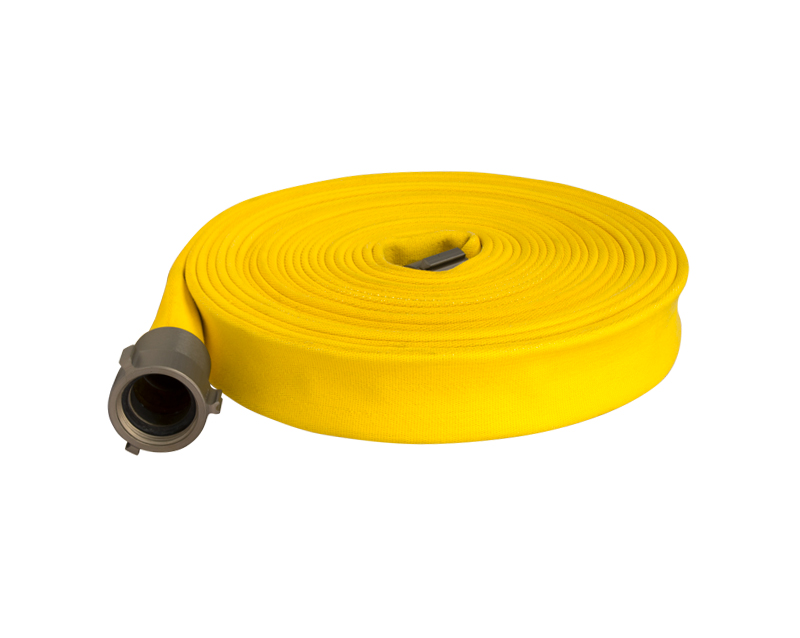
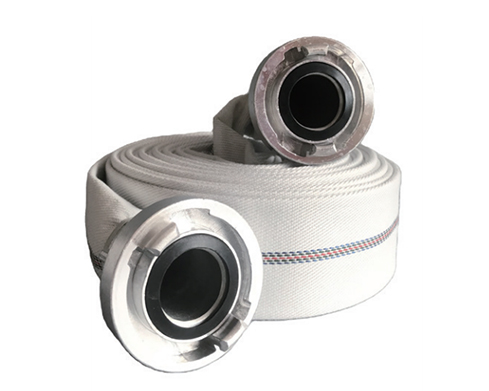
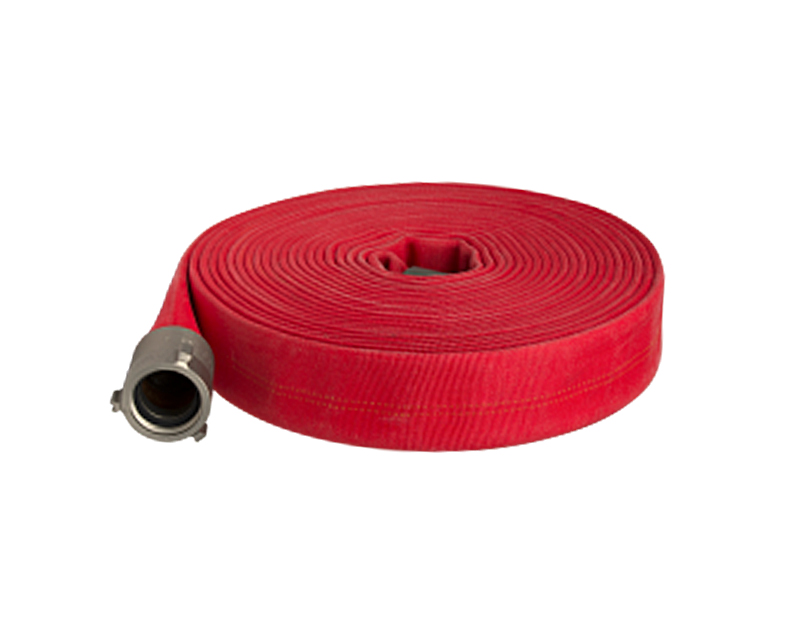
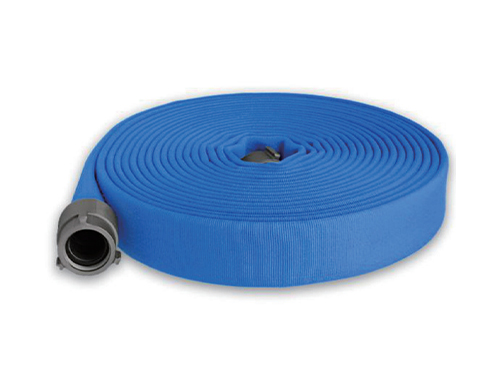
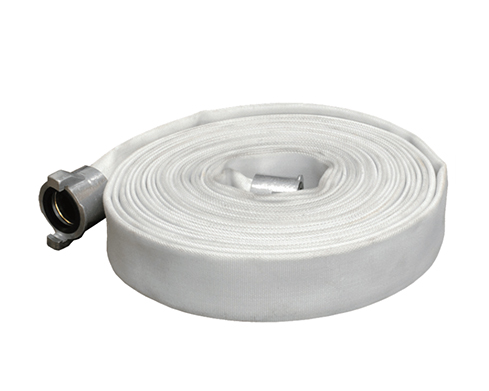
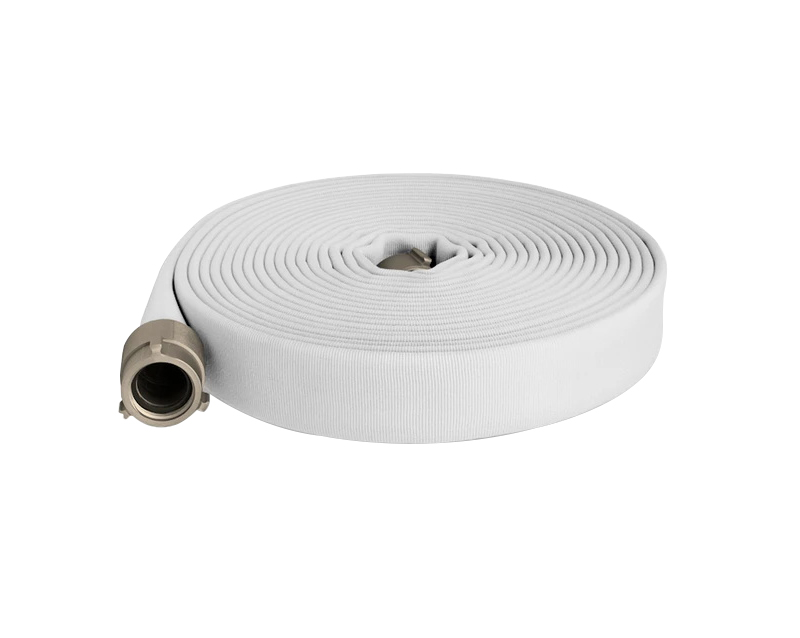
At the core of any fire hose solution is, logically, the fire hose. Contemporary hoses are engineered composites. A smooth, synthetic inner liner lesss friction to preserve water pressure and flow over long distances. This is reinforced with high-strength textile jackets—often from materials like polyester or aramid—that provide the tensile strength to contain operating pressures. An outer jacket offers abrasion and UV resistance. However, a hose alone is not a fire hose solution. It becomes one only when integrated with compatible, reliable connectors. These couplings, whether threaded or quick-connect, form the leak-proof joints that allow multiple hoses to be linked into a continuous conduit. The integrity of every connection point is a non-negotiable element of the overall fire hose solution, as a single failure can compromise the entire water supply line.
The fire hose solution extends beyond simple lines to include specialized appliances that manage and distribute water flow. Devices like hose wyes, manifolds, and standpipe systems are integral components. A wye, for instance, splits a single large-diameter supply line into two smaller attack lines, allowing two teams to work from one source. A manifold can consolidate multiple lines into one larger outlet. These appliances, equipped with their own valves and gauges, provide commanders with tactical flexibility, enabling them to adapt water delivery to the evolving needs of the incident. Including such control points is what transforms a bundle of hoses into a manageable and versatile fire hose solution.
Durability and maintenance systems are also part of a comprehensive fire hose solution. This includes equipment for cleaning, inspecting, drying, and storing hoses after use. Proper maintenance stations, often featuring specialized washers, dryers, and racks, are essential to prevent deterioration from mold, mildew, and chemical residues. A hose that is not properly cared for is a liability, not an asset. Therefore, the lifecycle management of the hose—ensuring it is ready for the next emergency—is a critical, though often background, aspect of the total fire hose solution.
Today's challenges are driving innovation within fire hose solution development. There is a focus on reducing the physical burden on firefighters through lighter-weight hose materials without sacrificing strength or flow capacity. Enhanced flexibility for better handling in cold weather, improved coupling designs for faster and more secure connections, and integrated sensor technology for real-time pressure monitoring are all areas of active progress. The goal is a smarter, more responsive system.
A fire hose solution is a seamless integration of hardware, design, and procedure. It is the tangible network that channels water, the primary firefighting agent, from source to flame. Its effectiveness depends on the quality of each component and their flawless interoperability. In high-stakes environments where performance is critical, investing in a cohesive and reliable fire hose solution is an investment in firefighter capability, operational safety, and ultimately, successful outcomes.
 +86-576-83015055 / 13761638108
 Hutang Industrial Park, Taizhou City, Zhejiang,China.