
 English
 中文简体
中文简体

In the intricate network of equipment deployed during firefighting operations, one component performs a fundamental role that is often overlooked: the fire hose connector. This specialized fitting serves as the secure, leak-resistant joint between individual sections of fire hose, between a hose and a water source like a hydrant or pump, and between a hose and a nozzle or other appliance. The reliability of every fire hose connector in the system is paramount, as it ensures the integrity of the water supply chain from the source to the fire, directly impacting the effectiveness and safety of the firefighting effort.
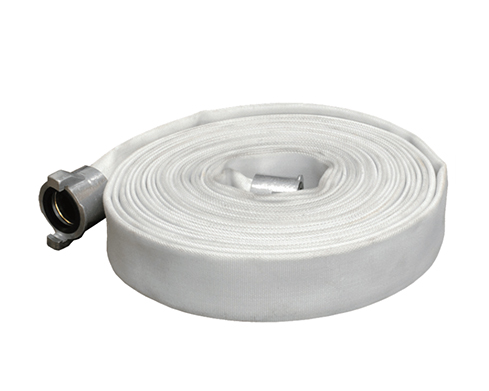
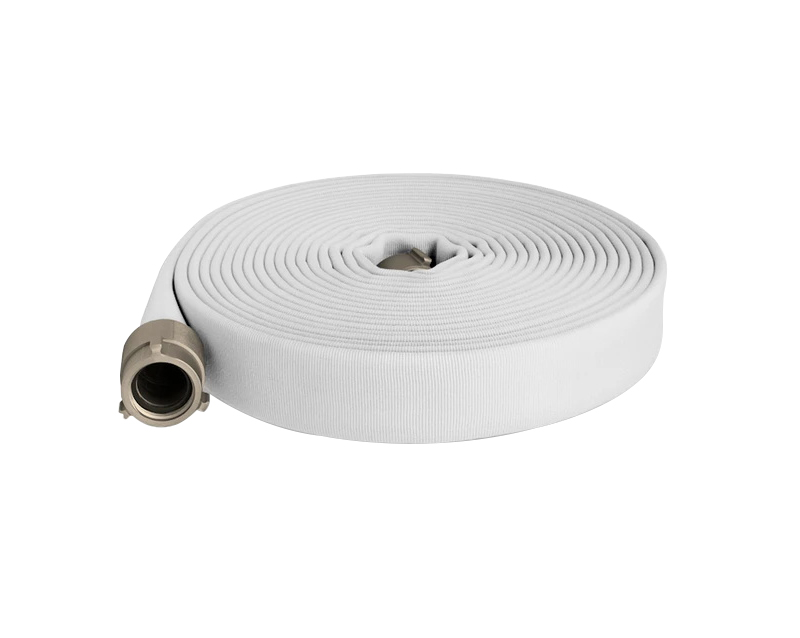
The primary function of a fire hose connector is to create a positive, pressurized seal that prevents water loss under high operating pressures. These connectors, often made from durable materials like brass, aluminum, or malleable iron, are designed with precise threading or a quick-attach mechanism. The common type is the threaded coupling, featuring male (spigot) and female (socket) ends that screw together. A crucial element within this fire hose connector is the gasket—typically a rubber ring seated in the female coupling—which compresses to form a watertight seal when the connection is tightened. This simple yet vital component ensures that water pressure is maintained within the hose line, big the flow and reach of the fire stream.
Standardization is a key principle in the design and use of the fire hose connector. To ensure interoperability between equipment from different manufacturers and across different jurisdictions, connectors adhere to established national or international thread standards, such as National Standard Thread or the widely adopted Storz quick-connect system. This standardization allows fire departments to connect their hoses to municipal hydrants, to each other's apparatus during mutual aid responses, and to various nozzles and fittings without compatibility issues. A properly designed fire hose connector will also feature lugs or hand grips, providing firefighters with the leverage needed to make tight, secure connections quickly, even while wearing bulky gloves.
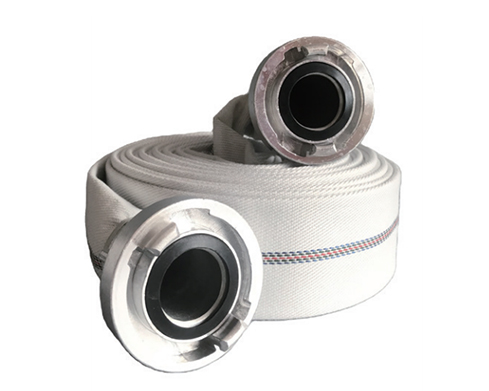
Durability and ease of use are essential characteristics of a quality fire hose connector. These fittings are subjected to harsh conditions: they are dropped, dragged over rough surfaces, exposed to bad heat and cold, and routinely connected and disconnected under pressure. Therefore, they are engineered for robustness, with corrosion-resistant finishes and designs that resist damage from impact. For speed and efficiency, many modern fire services utilize Storz-type quick-connect fire hose connector systems. These genderless, quarter-turn locking connectors enable faster hook-up than threaded couplings, a critical advantage in the initial, time-sensitive stages of an emergency response.
Innovation in fire hose connector technology focuses on enhancing reliability, reducing weight, and improving safety. Developments may include new lightweight alloy compositions, more durable and temperature-resistant gasket materials, and designs that further less the potential for accidental disconnection under pressure. The integration of radio-frequency identification tags for inventory management is another emerging application. As firefighting tactics and equipment continue to evolve, the humble fire hose connector will remain an indispensable, standardized link—a small piece of hardware upon which the success of a much larger, lifesaving system fundamentally depends.
 +86-576-83015055 / 13761638108
 Hutang Industrial Park, Taizhou City, Zhejiang,China.