
 English
 中文简体
中文简体

The infrastructure of firefighting and industrial safety relies on robust, reliable equipment to deliver water or other extinguishing agents from a pressurized source to the seat of a fire. At the core of this delivery system is the Fire Hose, a specialized, flexible conduit designed to withstand high internal pressure, abrasion, and bad environmental conditions. As the vital link between a pump, hydrant, or standpipe and the nozzle in a firefighter's hands, the performance and integrity of the Fire Hose are non-negotiable factors in effective fire suppression, rescue operations, and the protection of both lives and property. Its design and manufacturing represent a dedicated field of textile and rubber engineering, focused on creating a tool that must perform flawlessly under the lots of demanding circumstances imaginable.
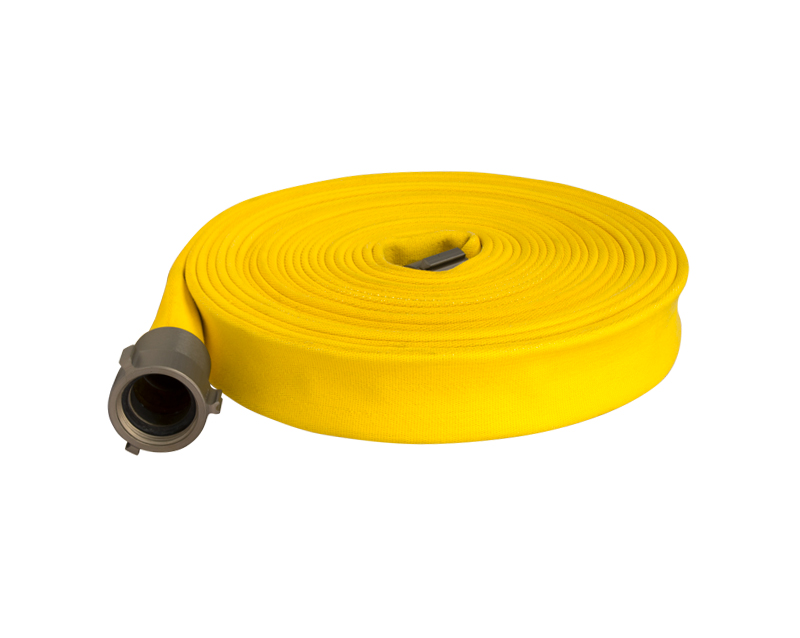
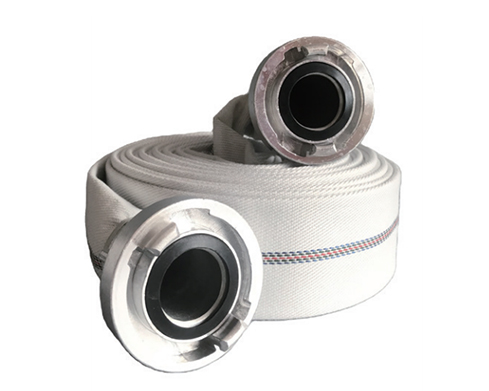
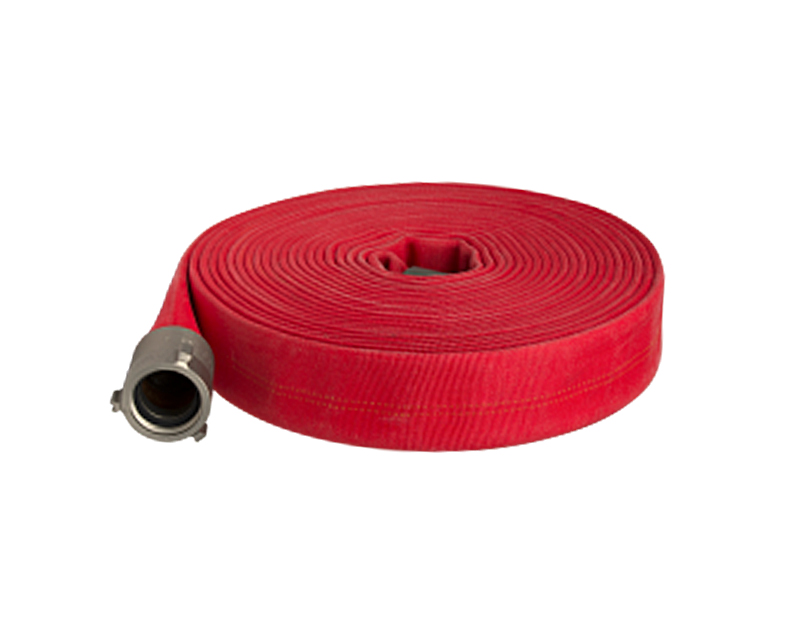
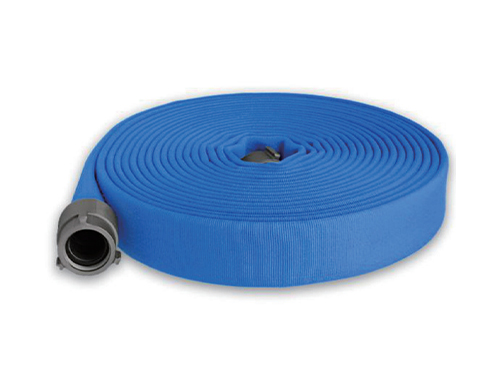
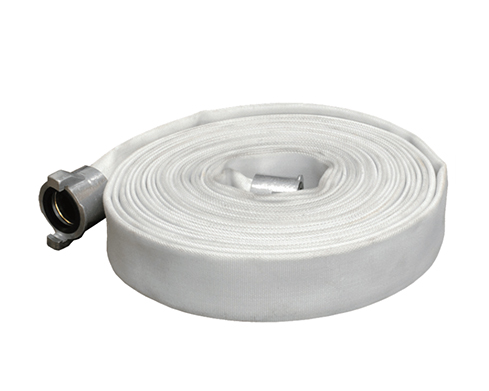
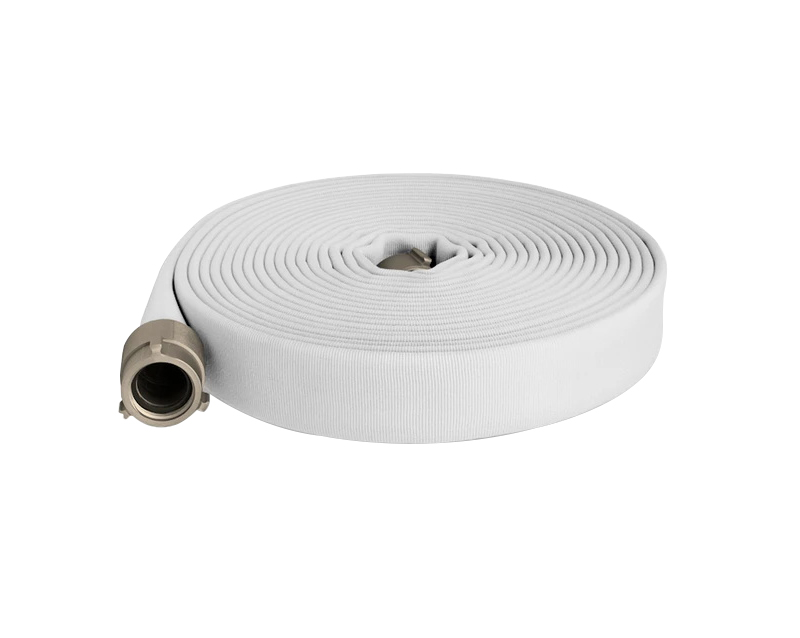
The construction of a modern Fire Hose is a multi-layered engineering achievement. The inner liner, typically made from a synthetic rubber or thermoplastic material like EPDM or polyurethane, is seamless and smooth to less friction loss and allow up to water flow. This liner must be impermeable to prevent leaks and resistant to a wide range of chemicals. Surrounding the liner are one or more layers of high-strength fabric, often woven from synthetic fibers like polyester or high-tenacity nylon. This carcass provides the Fire Hose with its tensile strength to contain operating pressures that can exceed several hundred psi. An outer jacket, made from durable, abrasion-resistant materials, protects the inner layers from physical damage, sunlight (UV degradation), oil, and mildew. Couplings, made from brass, aluminum, or other alloys, are securely attached to each end to connect Fire Hose sections to each other, to pumps, and to nozzles.
Fire Hose products are categorized by their intended use and performance characteristics. A primary distinction is between attack lines and supply lines. Attack lines are smaller-diameter hoses (typically 1.5 to 2.5 inches) that firefighters maneuver directly to apply water onto a fire; they are designed for maneuverability and are often carried pre-connected on apparatus. Supply lines, or large-diameter hoses (often 4 or 5 inches), are used to move large volumes of water from a hydrant or water source to the pump on a fire engine, establishing a reliable "water supply." Fire Hose is also classified by its construction (e.g., jacketed, rubber-covered) and by standards specifying its small burst pressure and service test pressure, ensuring it meets the rigorous demands of fire service.
Innovation in Fire Hose technology continues to focus on reducing weight, increasing durability, and enhancing safety. Developments include lighter composite materials that maintain strength, new weave patterns for better flexibility and kink resistance, and coatings that improve abrasion and chemical resistance. There is also research into "smart" Fire Hose concepts with integrated pressure sensors or temperature-sensing fibers to provide crews with real-time data about conditions at the nozzle. However, the fundamental requirement remains unchanged: to deliver water with reliability and volume under bad pressure. As firefighting tactics evolve and structures become more complex, the Fire Hose will remain the indispensable, flexible pipeline that empowers firefighters to confront and control fires, safeguarding communities and critical infrastructure around the world. Its continued refinement underscores a commitment to providing responders with the lots of effective tools possible for their vital and dangerous work.
 +86-576-83015055 / 13761638108
 Hutang Industrial Park, Taizhou City, Zhejiang,China.