
 English
 中文简体
中文简体

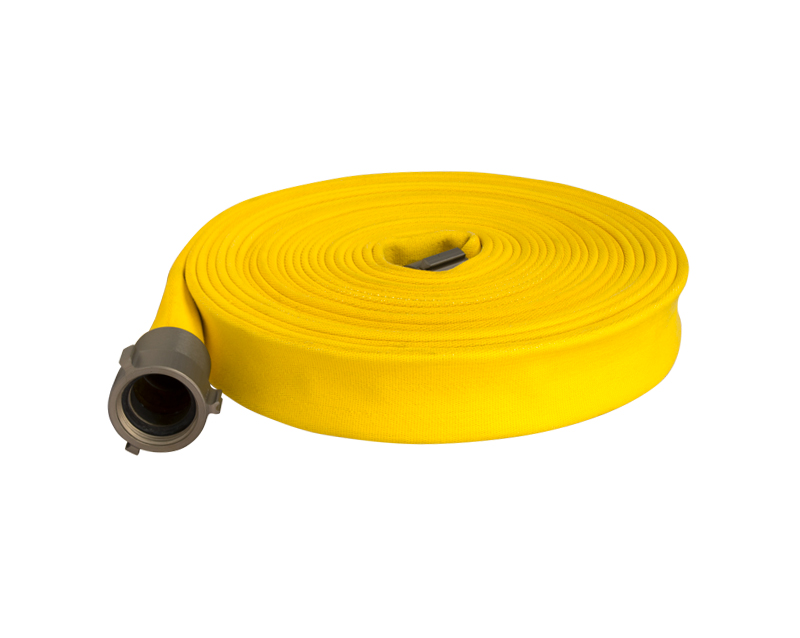
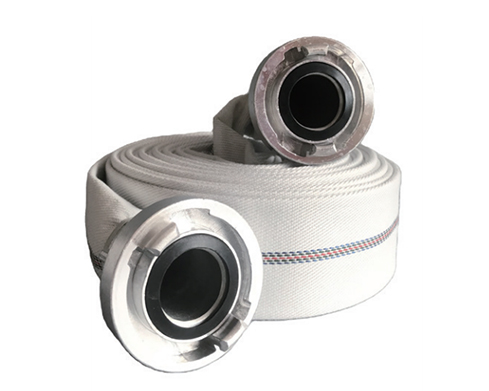
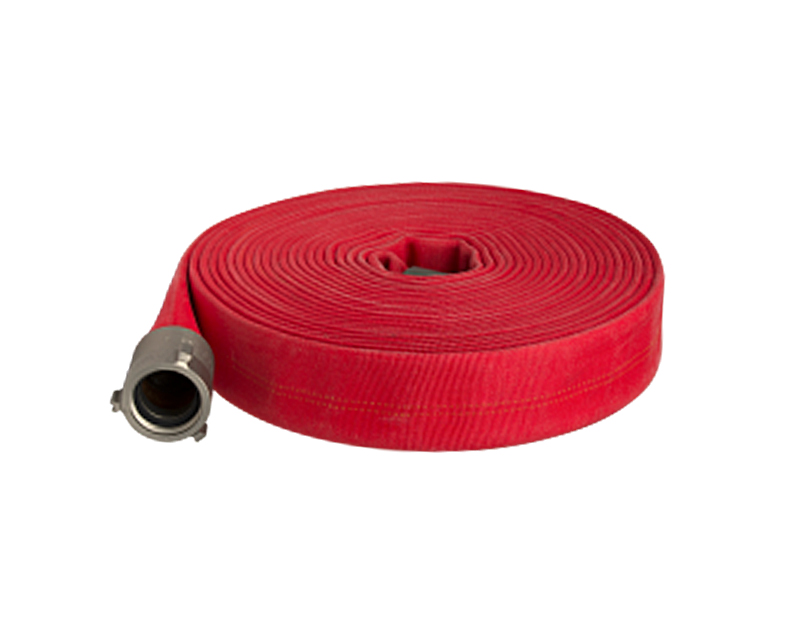
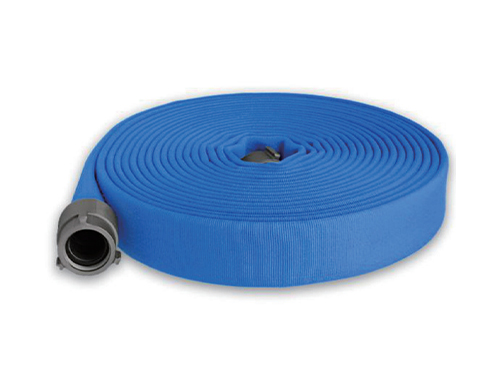
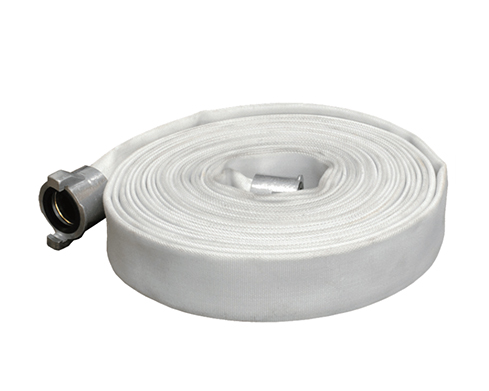
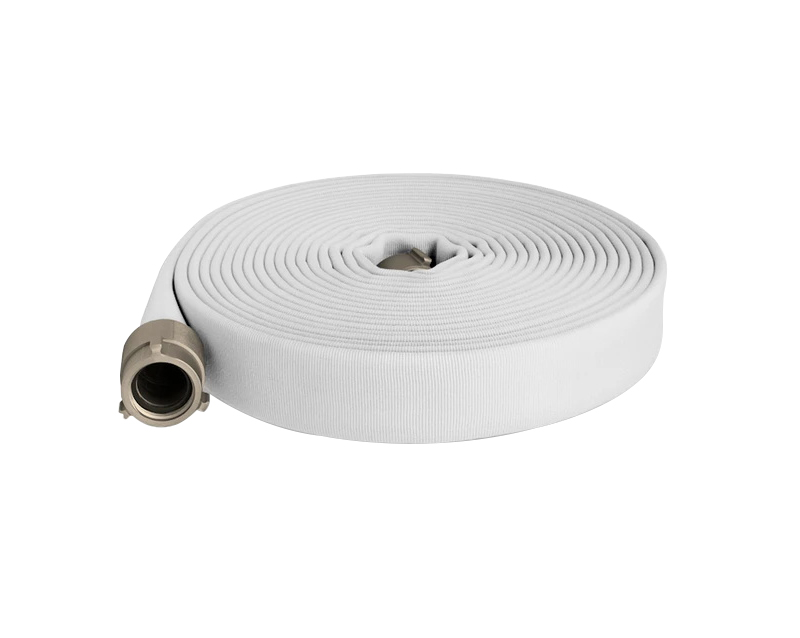
Within the critical inventory of firefighting equipment, one component serves as the essential conduit for water and fire retardants: the fabric fire hose. This flexible, high-pressure tube is engineered to transport water from a pressurized source—such as a fire engine pump, a hydrant, or a standpipe—directly to the nozzle at the fire's edge. The modern fabric fire hose represents a sophisticated balance of material science, durability, and practicality, designed to perform reliably under the bad physical and environmental stresses encountered during fire suppression efforts.
The primary function of a fabric fire hose is to deliver a controlled, high-volume flow of water to firefighters. Unlike rigid piping, its flexibility is paramount, allowing crews to advance the hose line around corners, through buildings, up staircases, and across uneven terrain. This maneuverability is vital for interior attack operations, where the fabric fire hose must be deployed quickly and positioned accurately to combat a fire directly at its seat. The design must ensure the hose can withstand the internal pressure required for an effective fire stream while remaining lightweight enough for teams to drag and handle efficiently.
Material construction is the cornerstone of a fabric fire hose's performance and longevity. Contemporary hoses are typically not made from a single woven fabric but are composite structures. An inner liner, often made of synthetic rubber or thermoplastic, provides a smooth, water-tight bore to less friction loss and improve flow. This liner is reinforced with one or more layers of high-tensile synthetic fibers, such as polyester or aramid, which are woven or knitted into a jacket that provides the necessary burst strength. An outer jacket, made from abrasion- and weather-resistant materials, protects these inner layers from cuts, sunlight, chemical exposure, and the general abrasion of being dragged over rough surfaces. This multi-layer design creates a fabric fire hose that is significantly lighter and more resistant to mildew and rotting than older natural fiber hoses.
Durability and safety features are integral to the fabric fire hose design. Modern hoses are engineered to resist kinking, which can dangerously restrict water flow during an operation. Couplings, the metal fittings at each end, are securely attached (often via a crimped or expanded mechanism) and are standardized to ensure interoperability between different sections of hose and various water sources. High-visibility colors or reflective stripes are commonly integrated into the outer jacket to improve the hose's visibility in low-light, smoky conditions, helping to prevent trips and falls. After each use, a fabric fire hose must be thoroughly cleaned, inspected for damage, and dried properly to prevent internal deterioration, ensuring it is ready for the next emergency.
Innovation in fabric fire hose technology focuses on enhancing performance while reducing physical burden. Research continues into new composite materials and weaves that offer higher strength-to-weight ratios, improved abrasion resistance, and better flexibility in cold weather. Some developments aim to integrate sensor fibers for pressure monitoring or to create hoses with even lower friction coefficients for improved water delivery. As firefighting tactics and challenges evolve, the fabric fire hose will continue to adapt, remaining the vital, flexible artery that carries the lifeblood—water—to the heart of the fire.
 +86-576-83015055 / 13761638108
 Hutang Industrial Park, Taizhou City, Zhejiang,China.