
 English
 中文简体
中文简体

The domain of public and industrial safety is fundamentally supported by the continuous development and deployment of effective fire fighting equipment. This broad category encompasses the tools, apparatus, and systems designed to prevent, detect, control, and extinguish fires. From handheld extinguishers in a hallway to complex detection networks in a high-rise, fire fighting equipment forms a important line of defense, protecting lives, property, and infrastructure. The evolution of this technology reflects an ongoing commitment to improving response effectiveness, firefighter safety, and proactive risk mitigation.
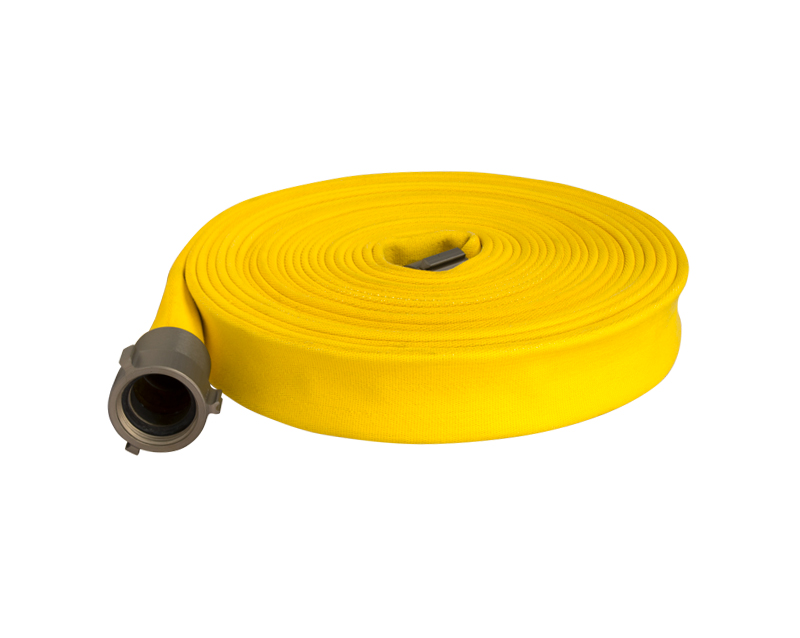
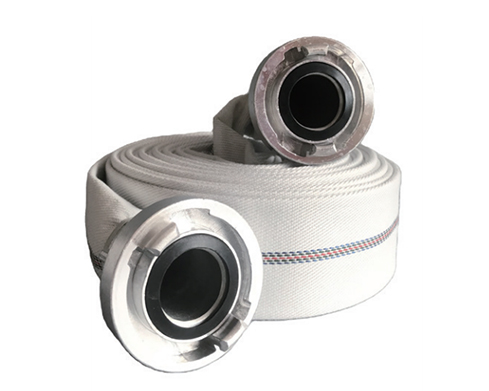
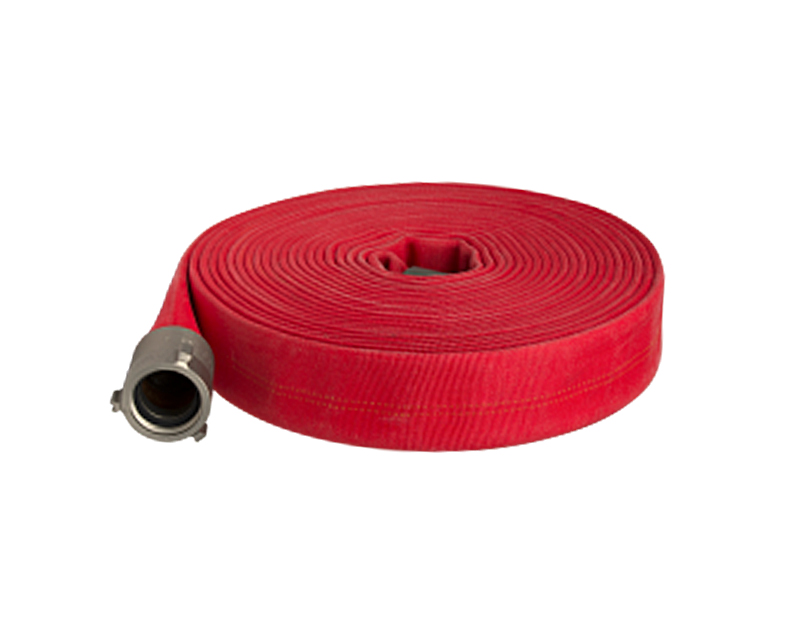
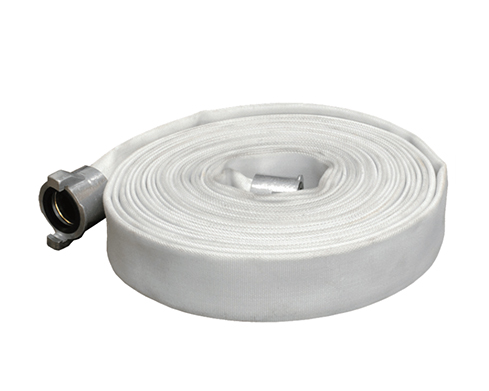
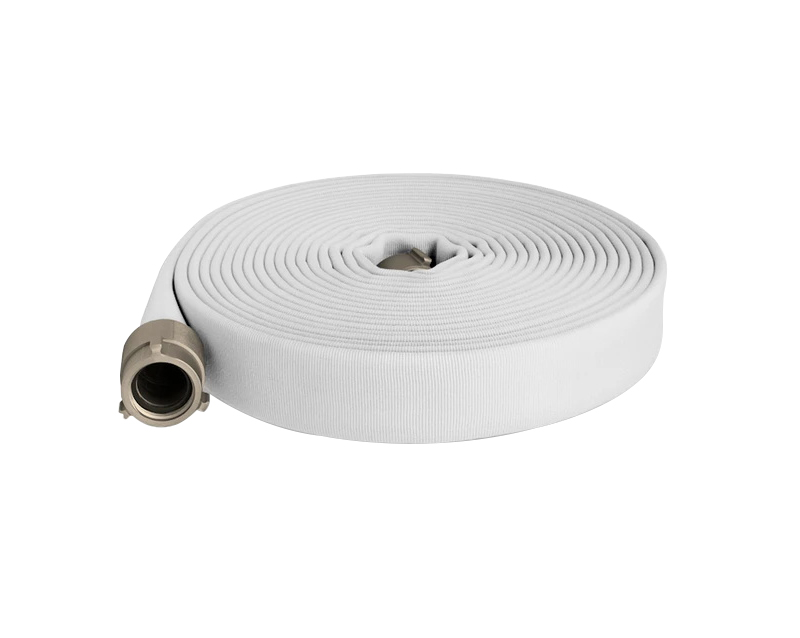
The spectrum of fire fighting equipment is vast, tailored to different fire classes and operational scales. Portable equipment includes fire extinguishers for incipient stage blazes, fire blankets for smothering small fires or protecting individuals, and personal protective gear like helmets, turnout gear, and self-contained breathing apparatus for firefighters. At the system level, fire fighting equipment encompasses automatic fire detection and alarm systems, fixed sprinkler and suppression systems (using water, foam, or clean agents), and standpipes within buildings to supply water to hose lines. For municipal and industrial firefighting, mobile fire fighting equipment such as pumpers, ladder trucks, and specialized rescue vehicles are critical for transporting personnel, water, and tools to the incident scene.
Technological integration is a key trend shaping modern fire fighting equipment. Fire detection systems are becoming smarter, with advanced smoke and heat sensors that can provide earlier warnings and differentiate between threat levels. Communication systems embedded in fire fighting equipment, such as thermal imaging cameras and heads-up displays in masks, provide firefighters with critical real-time information about structural integrity and fire location in low-visibility conditions. Drones are emerging as supplementary fire fighting equipment, used for reconnaissance, assessing roof conditions, and monitoring hotspots in large wildfires, enhancing situational awareness and strategic planning.
The importance of proper fire fighting equipment maintenance and inspection cannot be overstated. Regular servicing ensures reliability when seconds count. This involves checking pressure gauges on extinguishers, testing alarm panel batteries and sensor functionality, conducting flow tests on sprinkler systems, and meticulously inspecting and cleaning personal protective gear after use. Training in the correct use of fire fighting equipment is equally vital; an extinguisher is only effective if the operator knows how to deploy it properly, and complex systems require skilled personnel for operation and troubleshooting.
The application of fire fighting equipment extends beyond traditional structural fire response. Industrial facilities require specialized fire fighting equipment designed for unique hazards like chemical, electrical, or flammable liquid fires. Airports and ports maintain crash trucks and foam tenders as part of their fire fighting equipment arsenal. Wildland firefighting utilizes a different set of fire fighting equipment, including portable pumps, fire shelters, and forestry hose lays. This specialization ensures the right tool is available for the specific nature of the threat.
Innovation in fire fighting equipment is likely to focus on enhanced materials for lighter, more heat-resistant protective gear, robotics for high-risk interior attack or reconnaissance, and data analytics for predictive maintenance of installed systems. The integration of fire fighting equipment with building information modeling for pre-incident planning is another developing area. The enduring goal remains constant: to provide responders and the public with the many effective, reliable, and technologically advanced tools possible to prevent disaster, save lives, and less loss, making the continuous refinement of fire fighting equipment a cornerstone of community safety worldwide.

 +86-576-83015055 / 13761638108
 Hutang Industrial Park, Taizhou City, Zhejiang,China.