
 English
 中文简体
中文简体

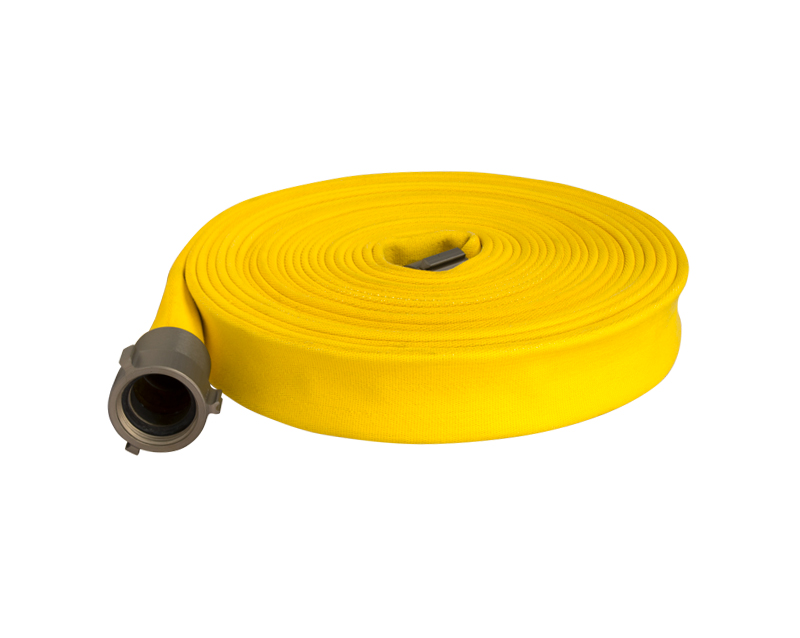
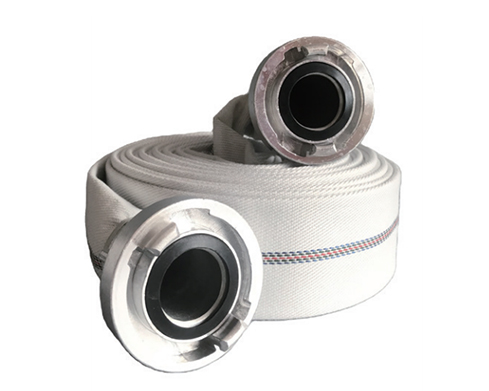
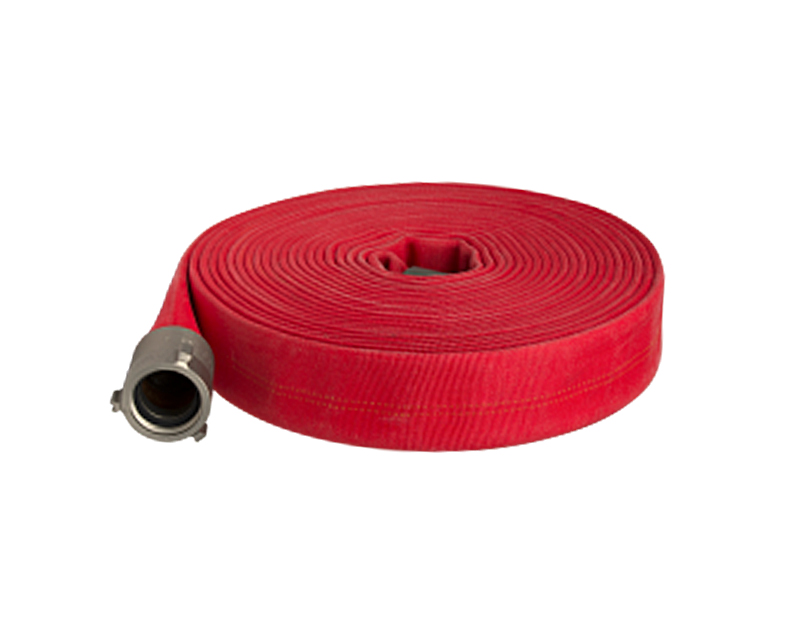
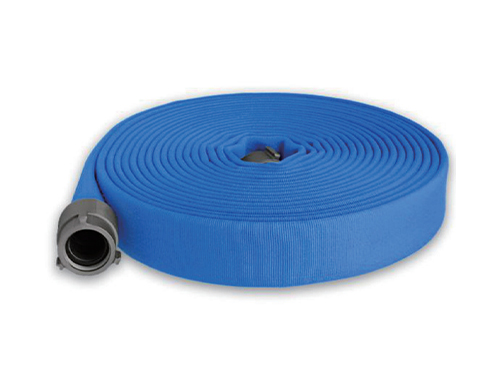
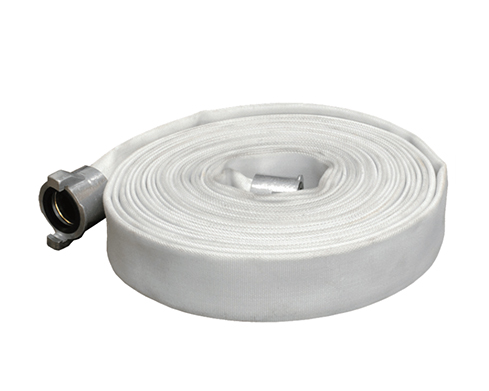
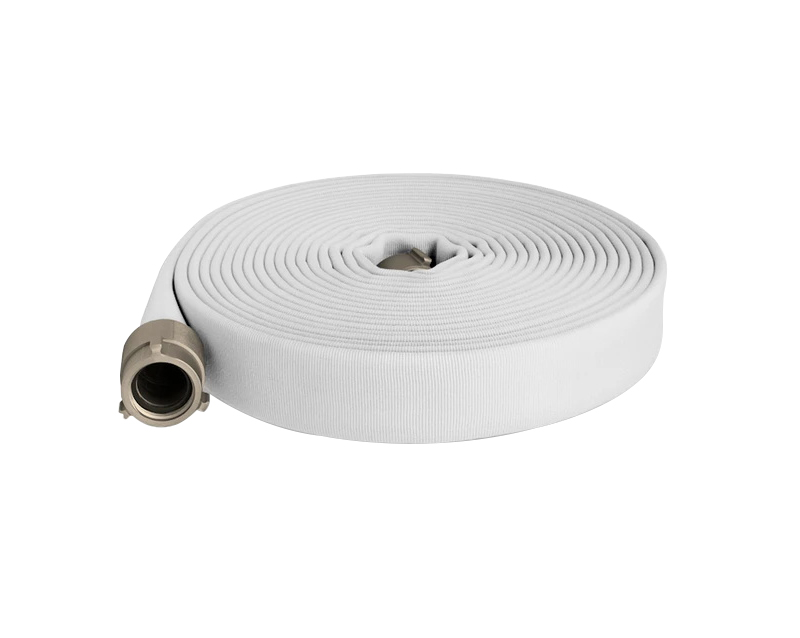
Within the essential equipment used for fire suppression, fire fighting hose products represent a vital link between a water source and the heart of a blaze. These specialized conduits are engineered to withstand immense pressure, heat, and physical abrasion while delivering the water or fire retardant necessary to control and extinguish fires. The ongoing development of fire fighting hose products reflects a continuous commitment to enhancing firefighter safety, operational effectiveness, and reliability in diverse emergency scenarios.
The fundamental role of fire fighting hose products is to provide a durable and flexible pathway for water under high pressure from fire engines, hydrants, or pumps to the nozzle where it is directed at a fire. Modern hoses are designed with several critical performance criteria in mind. They must maintain integrity under high internal pressure to ensure consistent water flow, while their exteriors need to resist melting, charring, and degradation when exposed to bad heat and direct flame contact. Additionally, flexibility is crucial, allowing firefighters to maneuver the hose through tight spaces, around corners, and up staircases during interior attack operations.
Material science and construction methods are central to the advancement of fire fighting hose products. Contemporary hoses often feature a composite construction. A synthetic rubber or thermoplastic inner liner provides a smooth bore to less friction loss and improve water flow. This liner is then reinforced with one or more layers of high-strength synthetic fibers, such as polyester or aramid, which provide the necessary tensile strength to contain operating pressures. An outer jacket, made from materials resistant to abrasion, chemicals, and UV radiation, protects these internal layers from the harsh conditions encountered on the fireground. This multi-layer design creates fire fighting hose products that are significantly lighter and easier to handle than older rubber-jacketed models, while offering improved durability and kink resistance.
The range of fire fighting hose products is tailored to specific applications within firefighting. Large-diameter supply hoses are used to move large volumes of water from a hydrant to the fire engine. Smaller-diameter attack lines are deployed from the engine to the fire's location, with firefighters handling the nozzle. Specialized variants also exist, such as forestry hoses for wildland firefighting, which are exceptionally lightweight and resistant to punctures, and booster lines for small incipient fires. The development of low-pressure, high-flow hose designs has also been a focus, aiming to deliver effective fire streams while reducing nozzle reaction force, thereby lessening firefighter fatigue and improving control.
Maintenance and readiness of fire fighting hose products are non-negotiable aspects of fire service operations. After each use, hoses must be thoroughly cleaned, inspected for cuts, abrasions, or damage to couplings, and tested periodically to verify they can hold the required service pressure. Proper drying and storage, away from direct sunlight and ozone sources, are essential to prevent mildew and material degradation. These rigorous procedures ensure that every length of hose will perform reliably when called upon, as failure in an emergency situation carries significant risk.
Fire fighting hose products are far more than simple tubes; they are highly engineered lifesaving tools. Their evolution from basic leather and canvas to advanced synthetic composites mirrors the progress of firefighting itself—a relentless pursuit of greater effectiveness, efficiency, and above all, safety for both the public and the firefighters who rely on this equipment daily. As technology advances, these essential products will continue to be a cornerstone of fire suppression tactics, embodying a critical fusion of material science and practical field necessity.
 +86-576-83015055 / 13761638108
 Hutang Industrial Park, Taizhou City, Zhejiang,China.