
 English
 中文简体
中文简体

What the Connector Actually Has to Do
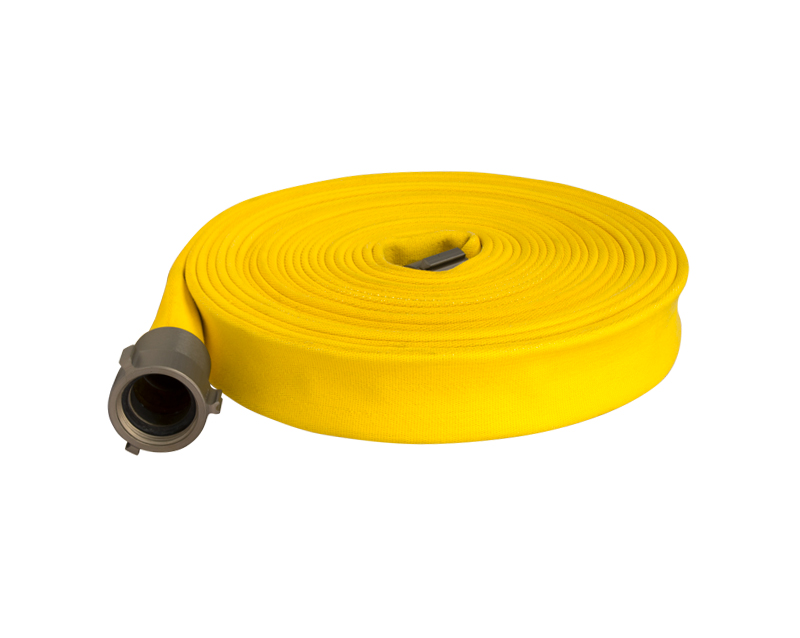
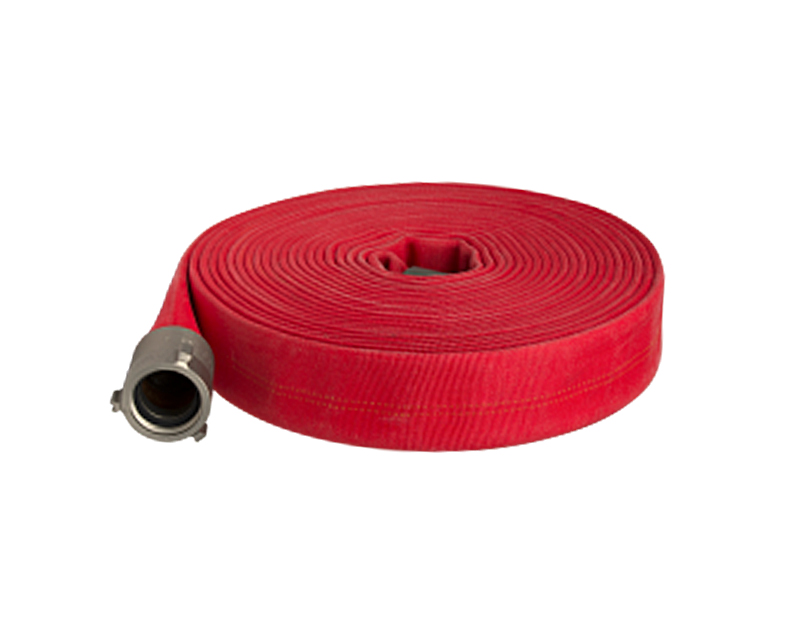
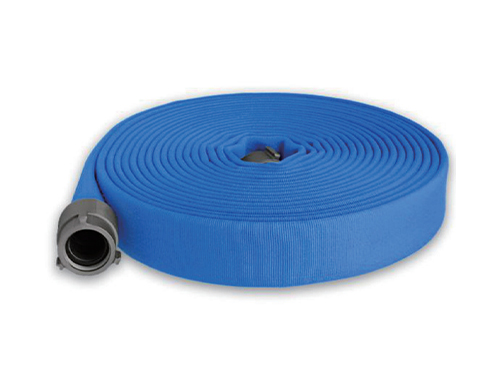
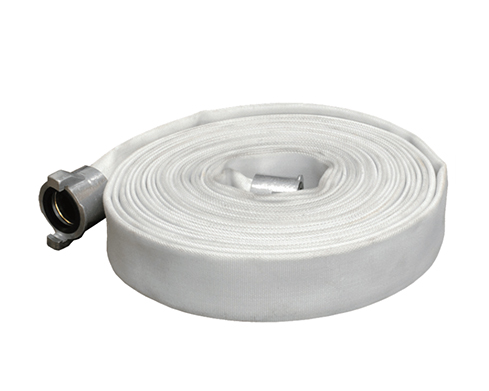
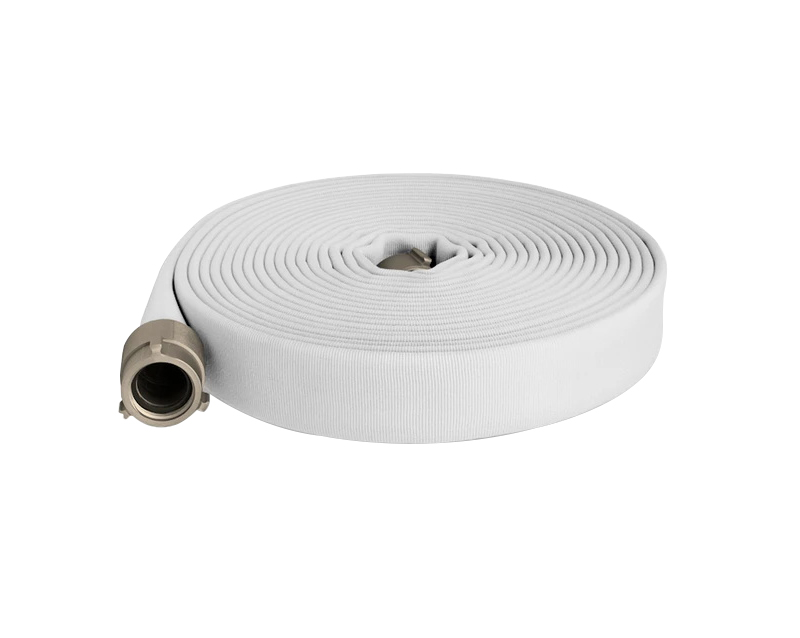
At its core, a fire hose connector links two hose ends, or a hose end to a fixed water source, while maintaining a watertight seal under pressure that can spike well above what a typical residential water line ever experiences. Unlike a garden hose fitting, which tolerates a slow drip without real consequence, a fire hose connection failing mid-use directly affects water delivery during an active situation, which is why the coupling mechanism and sealing method get more engineering attention than the size of the part might suggest.
Beyond sealing, the connector also has to allow fast attachment and detachment, often by personnel working under pressure and without the luxury of carefully threading a fitting by hand the way someone might with a plumbing connection at home.
Coupling Types and How They Differ
Not all fire hose connectors use the same mechanism to join hose sections. A few common types show up across different equipment setups:
- Threaded couplings, which screw together and rely on matching thread pitch between male and female ends
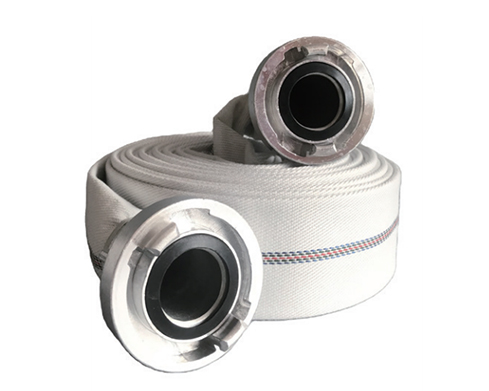
- Storz couplings, a quarter-turn style that locks with a simple twist rather than multiple thread rotations, prioritizing speed of connection
- Quick-connect or cam-lock style fittings, designed for rapid attachment in situations where speed matters more than a fully threaded seal
- Adapter connectors, used specifically to join two connector types that wouldn't otherwise fit together directly
Threaded couplings tend to offer a very secure seal once fully engaged, but take longer to connect and disconnect compared to quarter-turn designs. Storz-style couplings trade some of that thread engagement for speed, since a single twisting motion locks the connection rather than requiring several full rotations.
Thread Compatibility and Regional Variation
Thread pitch and diameter aren't universal across all fire hose connectors, which creates a real practical consideration for anyone sourcing or specifying this equipment. Different regions and different equipment manufacturers have historically settled on different thread standards, meaning a connector built for one system doesn't necessarily thread onto equipment built to a different specification without an adapter in between.
This variation matters for buyers supplying equipment across multiple markets or regions, since a connector line intended for broad distribution generally needs to account for more than one thread standard, either by offering multiple connector variants or by including compatible adapters alongside the primary product.
Materials Used in Connector Construction
Material choice affects both durability and weight, two factors that matter differently depending on how the connector gets used. Brass remains common for its balance of strength, corrosion resistance, and workability during manufacturing — threads cut into brass tend to hold their shape well under repeated connection cycles. Aluminum offers a lighter alternative, which matters for handheld equipment where reducing weight makes handling easier over an extended period of use. Stainless steel shows up in applications where corrosion resistance needs to hold up under harsher exposure, such as marine environments or coastal installations where salt air accelerates wear on less resistant metals.
Gasket and seal material inside the fire hose connector matters just as much as the outer body. Rubber or synthetic elastomer seals need to maintain flexibility and sealing performance across a range of temperatures and after repeated compression cycles, since a seal that hardens or loses elasticity over time becomes the weak point in an otherwise solid connector.
 +86-576-83015055 / 13761638108
 Hutang Industrial Park, Taizhou City, Zhejiang,China.