
 English
 中文简体
中文简体

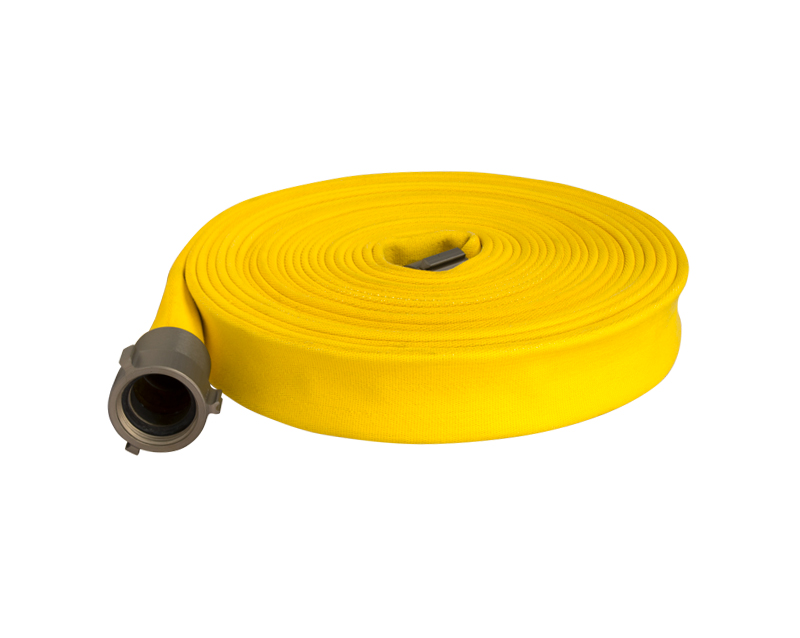
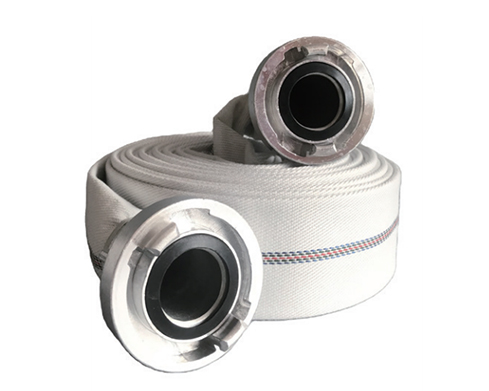
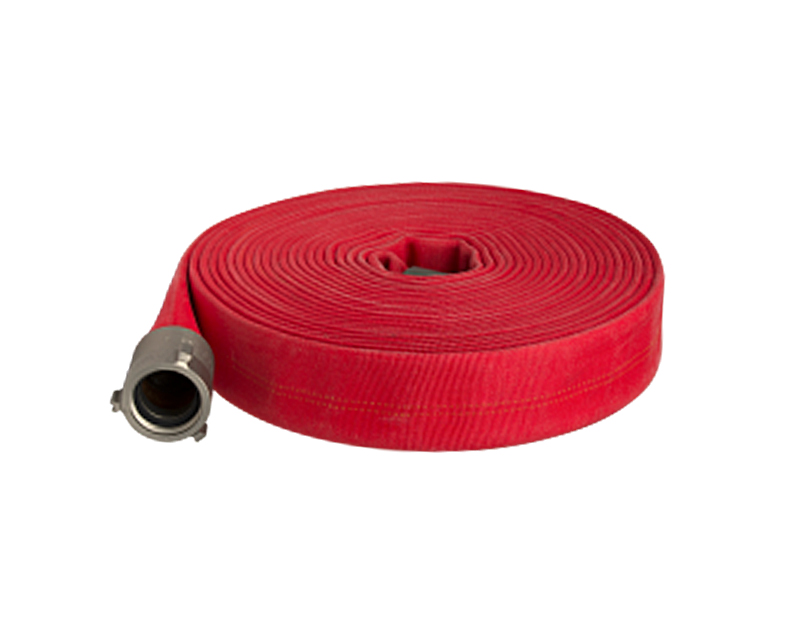
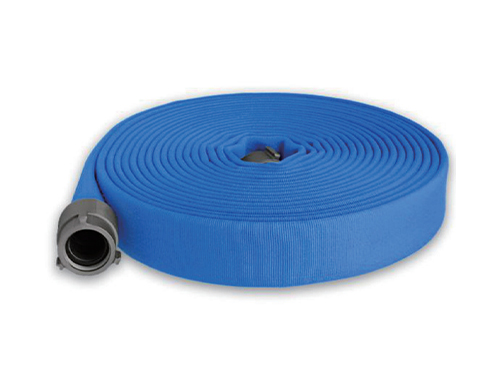
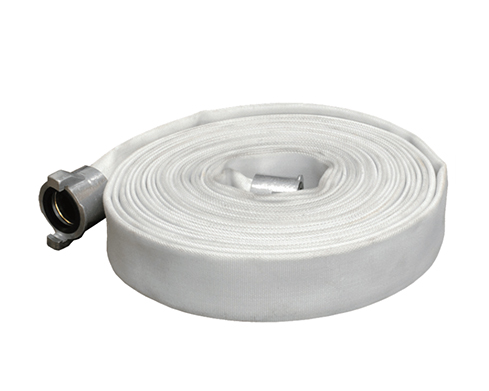
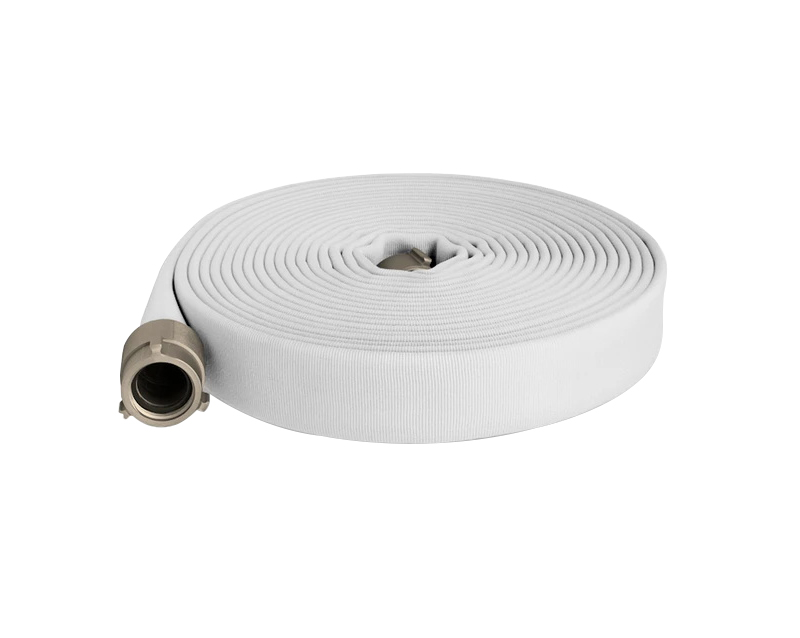
The global industrial and agricultural sectors require reliable, adaptable methods for transferring a wide variety of substances, from water and air to dry powders and granular materials. Meeting this need is a specialized product category: the Textile Hose. Distinguished from solid rubber or plastic hoses by its construction, a Textile Hose incorporates woven or knitted fabric layers as a core strength member, often combined with other materials for specific functionalities. This design grants the Textile Hose a favorable balance of flexibility, strength, and weight, making it a versatile choice for applications in construction, mining, agriculture, manufacturing, and ventilation. Its evolution reflects a focus on creating tailored solutions for handling different media under various pressure and environmental conditions.
The construction of a Textile Hose typically involves several integrated layers. An inner tube or liner defines the hose's compatibility with the conveyed substance. This liner can be made from materials like PVC, polyurethane, rubber, or various polymers, chosen for resistance to abrasion, chemicals, or specific materials like foodstuffs or grains. The core reinforcement is provided by one or more layers of high-tensile textile fabric, such as polyester, nylon, or aramid fibers. This fabric carcass, woven in a specific pattern, provides the Textile Hose with its pressure resistance and dimensional stability while allowing it to remain flexible and bend without kinking. An outer cover, often made from abrasion-resistant rubber, PVC, or another polymer, protects the internal layers from physical damage, weather, UV exposure, and ozone.
The application range for Textile Hose products is extensive, largely defined by the materials used in its construction. A common and highly visible use is in agriculture for irrigation and water discharge. Here, a lightweight, flexible Textile Hose allows for easy movement and setup. In construction and mining, heavy-duty Textile Hose lines are used for dewatering, dredging, and conveying slurry or aggregates; these hoses feature badly abrasion-resistant liners and tough outer covers. For industrial ventilation and fume extraction, a Textile Hose with a wire helix embedded for shape retention is standard, allowing it to be bent and positioned to capture airborne contaminants at their source. Furthermore, specially designed Textile Hose products are used for transferring dry bulk materials like plastic pellets, cement, or grain in pneumatic conveying systems, where flexibility and wear resistance are key.
Innovation in the Textile Hose industry is likely to focus on enhanced material science, sustainability, and smart features. Developments include the use of advanced, lightweight synthetic fibers for higher strength with less weight, and new polymer blends for liners that offer longer life when handling highly abrasive or chemically aggressive materials. There is a growing interest in Textile Hose products made with recycled materials or designed for easier recycling at end-of-life. While still emerging, the integration of simple sensor technology to monitor internal pressure, flow, or wear could provide valuable data for predictive maintenance in critical applications. As industries worldwide continue to seek efficient, reliable, and adaptable material handling solutions, the Textile Hose will remain a fundamental and evolving component. Its ability to be precisely engineered for specific tasks—from watering a field to ventilating a factory—ensures its continued relevance as a flexible and durable workhorse in the global movement of fluids and materials.
 +86-576-83015055 / 13761638108
 Hutang Industrial Park, Taizhou City, Zhejiang,China.