
 English
 中文简体
中文简体

The fire safety industry remains a critical component of building management and public safety infrastructure. Across commercial, industrial, and residential sectors, fire fighting equipment serves as an important line of defense against fire emergencies, providing occupants and first responders with the tools necessary to detect, contain, and extinguish fires before they escalate. The consistent demand for reliable fire fighting equipment reflects the ongoing commitment to safety across all types of facilities.
Fire extinguishers represent the recognizable category within fire fighting equipment. These portable devices are strategically placed throughout buildings to provide immediate response capability for incipient-stage fires. Modern fire fighting equipment includes various extinguisher types matched to specific fire classes, ensuring that the appropriate agent is available for different hazard types. Regular inspection and maintenance of fire fighting equipment, particularly extinguishers, are essential to ensure operational readiness when emergencies occur.
The integration of fire fighting equipment with detection systems has improved overall emergency response capabilities. Fire alarm systems that automatically notify occupants and emergency services work in conjunction with suppression equipment to enable coordinated action. In larger facilities, fire fighting equipment may include standpipe systems that provide ready water access for fire department operations. These systems represent an investment in infrastructure that supports effective response when fire fighting equipment is called into action.
Fire fighting equipment for commercial kitchens requires specialized configurations. Wet chemical extinguishing systems are designed to address the unique hazards associated with cooking oils and fats. This category of fire fighting equipment typically includes both portable units and fixed suppression systems that activate automatically when detection sensors identify conditions consistent with cooking fires. Restaurant owners and food service operators depend on this specialized fire fighting equipment to meet code requirements and protect their establishments.
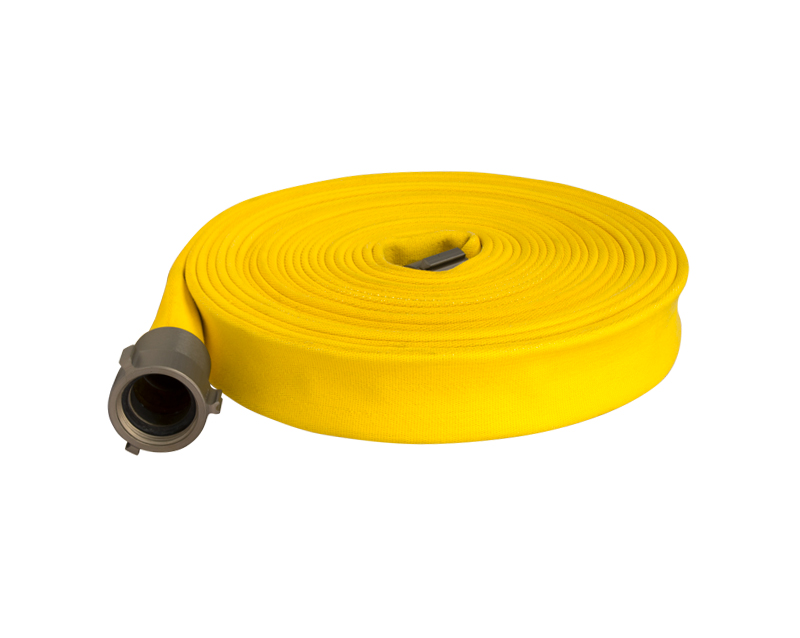
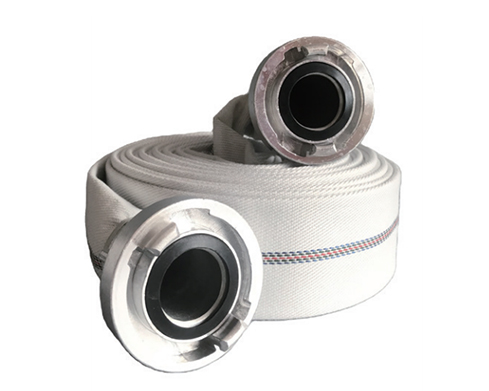
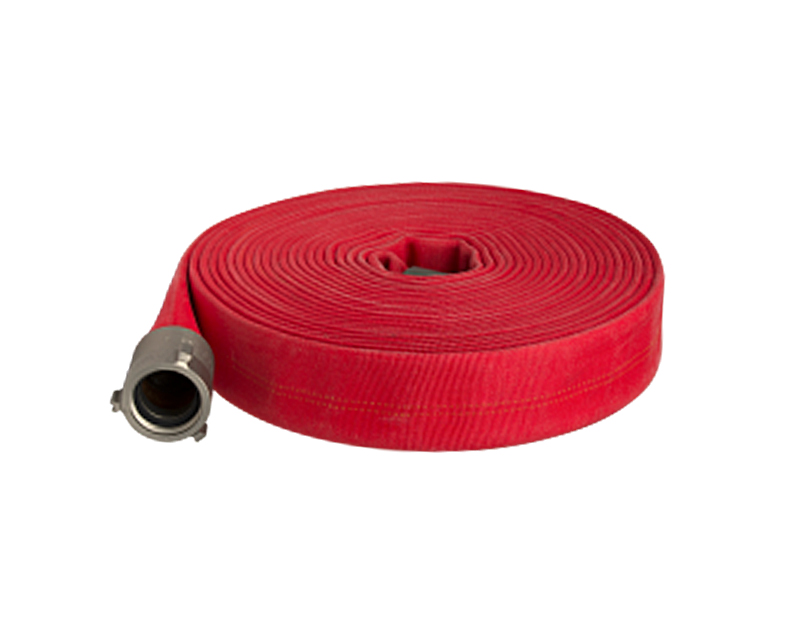
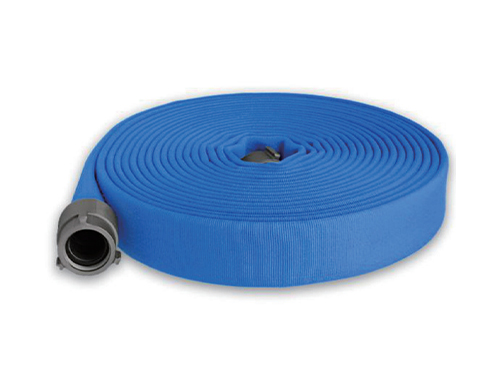
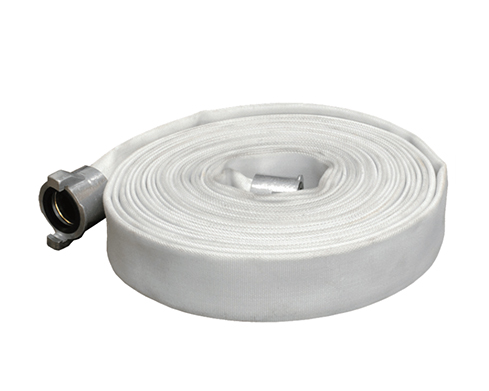
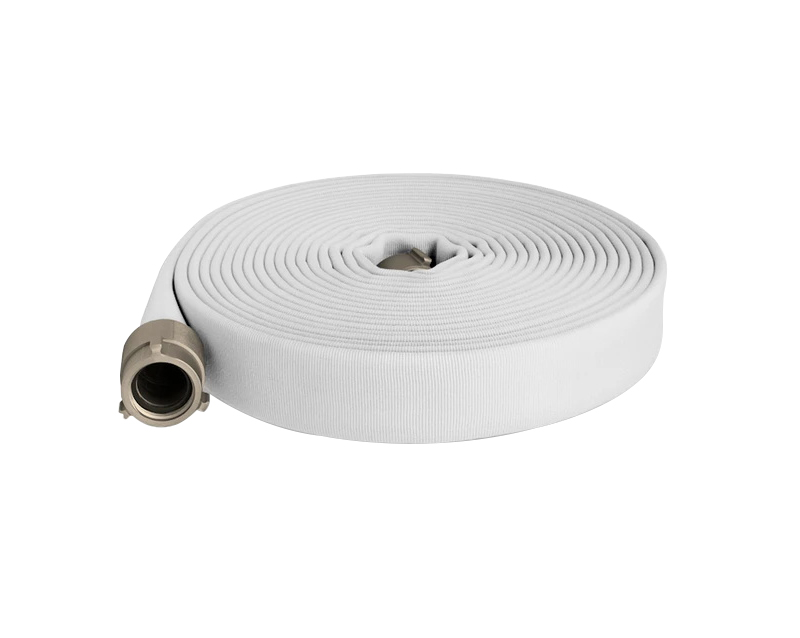
Industrial facilities often require fire fighting equipment scaled to address larger hazards. Fire hydrants, hose stations, and fixed monitors provide water delivery capabilities suited to the potential fire loads present in manufacturing and storage environments. Fire fighting equipment in these settings may also include foam systems designed for flammable liquid hazards. The selection of appropriate fire fighting equipment for industrial applications considers the specific materials handled and the facility layout.
The maintenance and inspection of fire fighting equipment is governed by standards that establish regular service intervals. Fire extinguishers require periodic checks to verify pressure levels, physical condition, and proper agent condition. Fire fighting equipment such as sprinkler systems undergo testing to confirm flow rates and valve operation. Building owners and facility managers who maintain documented inspection programs ensure that their fire fighting equipment remains compliant with applicable requirements.
Training in the proper use of fire fighting equipment complements the physical presence of these devices. Building occupants who understand how to operate extinguishers and respond to alarms contribute to effective emergency response. Many facilities incorporate hands-on training opportunities that allow individuals to practice using fire fighting equipment under controlled conditions. This preparation builds familiarity and confidence that can be valuable during actual emergencies.
The development of fire fighting equipment continues to reflect advancements in materials and design. Lightweight extinguisher cylinders, improved valve mechanisms, and environmentally considered agents represent ongoing refinements. Fire fighting equipment manufacturers focus on durability and reliability, understanding that these devices must perform when called upon after potentially long periods of inactivity.
The fire fighting equipment sector is expected to maintain its essential role within the broader safety industry. Building codes and insurance requirements continue to mandate appropriate fire fighting equipment for various occupancy types. For property owners, facility managers, and safety professionals, maintaining reliable fire fighting equipment represents a fundamental responsibility in protecting lives and property from fire hazards.
 +86-576-83015055 / 13761638108
 Hutang Industrial Park, Taizhou City, Zhejiang,China.