
 English
 中文简体
中文简体

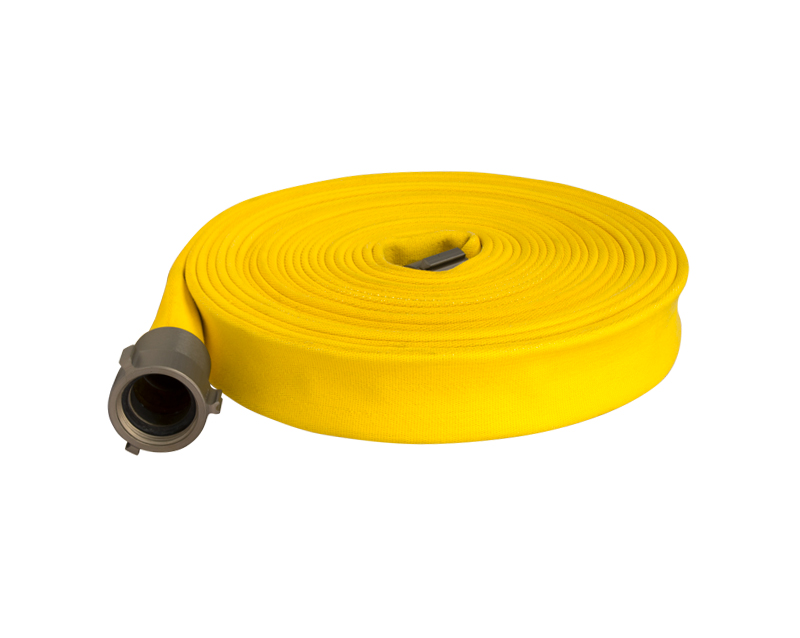
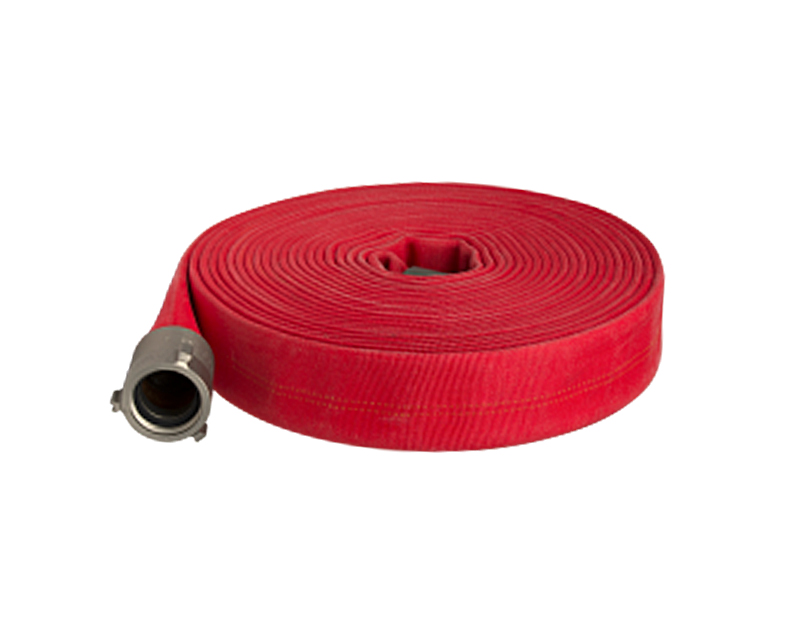
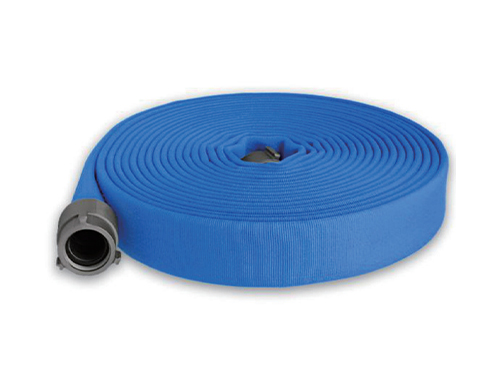
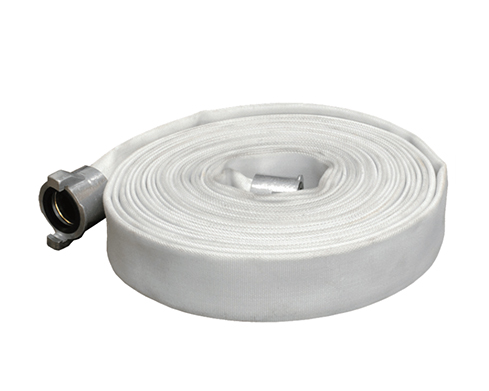
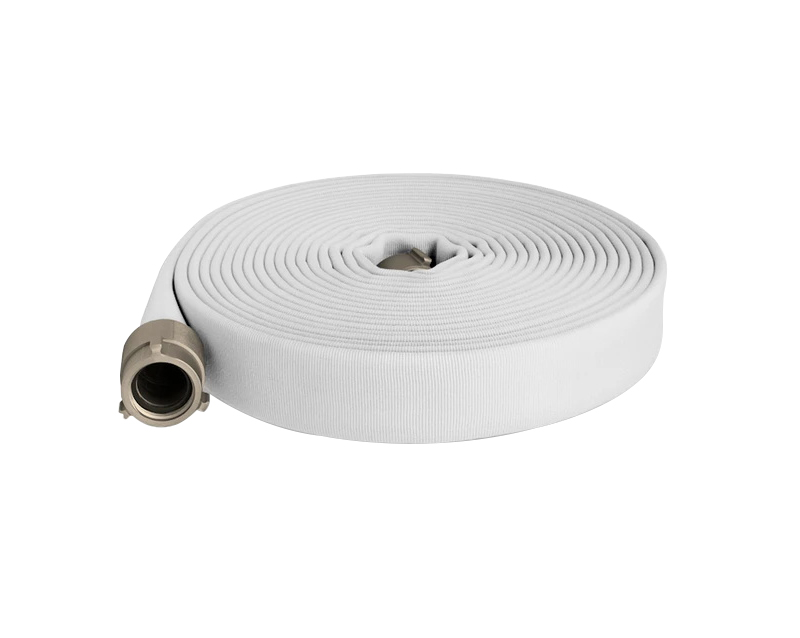
The effectiveness of any firefighting operation hinges on the ability to quickly establish a continuous, high-pressure water supply from a source to the attack lines manned by firefighters. A critical, yet often overlooked, component enabling this vital linkage is the Fire Hose Connector. This hardware device forms the secure, watertight junction between individual lengths of fire hose, between hose and a water source (like a hydrant or pump), and between hose and the nozzle. The design, durability, and interoperability of the Fire Hose Connector are fundamental to operational success, as a single failed connection can disrupt an entire water supply line, compromising fire attack efforts and potentially endangering lives. Its engineering prioritizes rapid coupling, exceptional strength under pressure, and leak-free performance in the lots of demanding conditions.
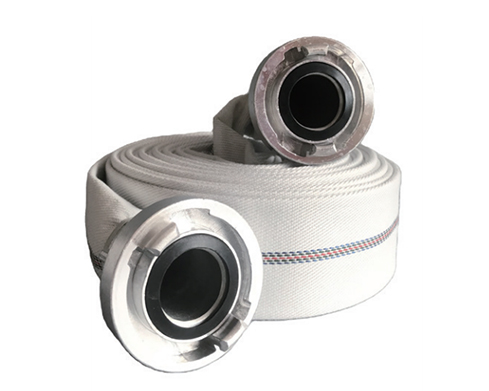
The primary function of a Fire Hose Connector is to join components securely while allowing for a smooth internal waterway to less friction loss. Standard designs are gendered: one end of a hose features a male Fire Hose Connector (with external threads), and the other end features a female Fire Hose Connector (with internal threads). This threading system ensures a positive, mechanical lock. To connect, the male threads are aligned with the female threads and rotated; built-in gaskets or swivel gaskets within the female coupling compress to form a watertight seal. For even faster connection in high-stress scenarios, many departments use quick-connect or Storz-type Fire Hose Connector systems. These utilize interlocking lugs instead of threads, allowing for a connection with a simple push and a quarter-turn, significantly reducing coupling time—a crucial advantage during initial attack.
Material selection and construction are paramount for a reliable Fire Hose Connector. The lots of common material is brass, valued for its corrosion resistance, strength, and ability to withstand impacts without deforming, which could prevent proper threading. Aluminum alloys are also used for their lighter weight, though they may be less resistant to certain types of corrosion or mechanical damage. Modern Fire Hose Connector products are machined to precise tolerances and often feature a hardened finish or coating to resist wear and scratching. The swivel gasket, typically made from synthetic rubber compatible with a wide temperature range, is a critical wear item; it must remain pliable to seal effectively but durable enough to resist extrusion under high pressure. Robust lugs or handles on the Fire Hose Connector allow firefighters to grip and turn them easily, even with gloved hands or when the coupling is muddy or icy.
Innovation in Fire Hose Connector design continues to focus on enhancing reliability, reducing coupling effort, and improving interoperability globally. Developments include more durable and chemically resistant gasket materials, ergonomic designs that reduce the force required to make a connection, and coatings that prevent threads from freezing together or seizing due to corrosion. While the basic threaded and Storz designs are well-established, research into next-generation quick-connect mechanisms that are even more intuitive and fail-safe is ongoing. As fire service equipment evolves and the need for seamless mutual-aid response grows, the humble Fire Hose Connector will remain a linchpin of fireground logistics. Its performance directly influences the speed and reliability with which life-saving water reaches the fire, proving that in emergency response, the strength of the entire system often depends on the integrity of its smallest, lots of critical links.
 +86-576-83015055 / 13761638108
 Hutang Industrial Park, Taizhou City, Zhejiang,China.