
 English
 中文简体
中文简体

The safeguarding of lives, property, and infrastructure from the threat of fire relies on a comprehensive and well-maintained array of specialized tools and systems, collectively known as Fire Fighting Equipment. This broad category encompasses everything from portable extinguishers and alarm systems in buildings to the complex apparatus and personal protective gear used by professional fire services. The consistent evolution of Fire Fighting Equipment is driven by advancements in material science, a deeper understanding of fire behavior, and lessons learned from emergency responses, all aimed at enhancing effectiveness, improving firefighter safety, and providing earlier public warning. This sector is integral to public safety codes, industrial risk management, and the operational readiness of fire departments worldwide.
At the lots of accessible level, Fire Fighting Equipment includes devices designed for early-stage intervention by occupants. Portable fire extinguishers are the lots of common example, classified by the type of fire they combat (e.g., Class A for ordinary combustibles, Class B for flammable liquids, Class C for electrical fires). Their presence in homes, vehicles, and commercial buildings is often mandated by law. Equally critical is early detection equipment, such as smoke alarms and heat detectors, which provide the crucial warning, enabling timely evacuation. In many buildings, this detection is integrated with fixed suppression systems, like automatic sprinklers, which represent a highly effective form of built-in Fire Fighting Equipment that can control or extinguish a fire before the arrival of emergency services.
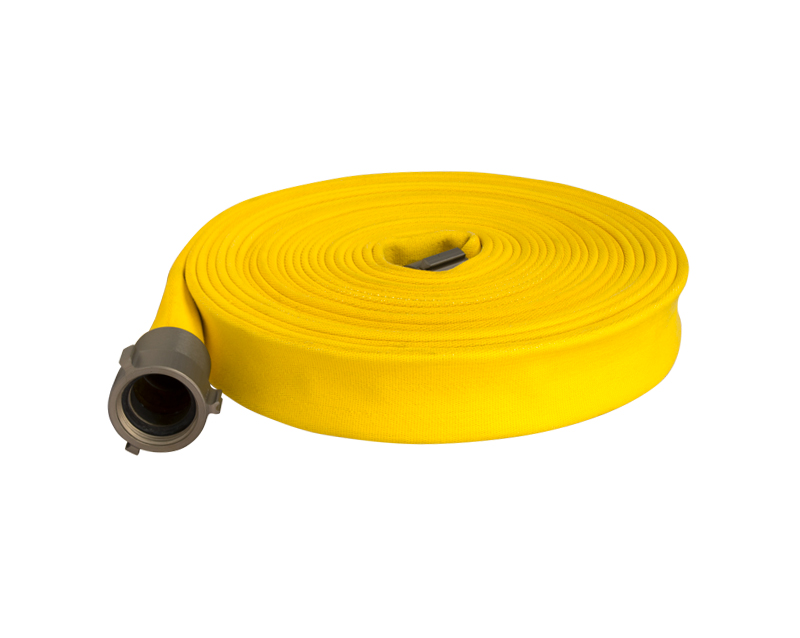
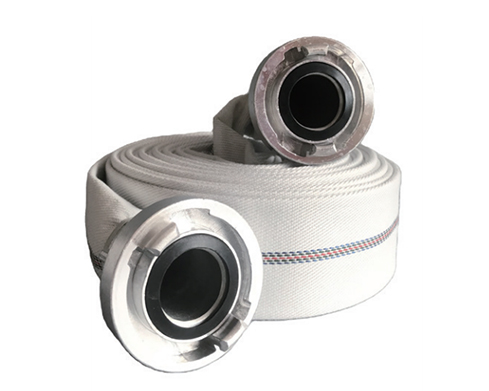
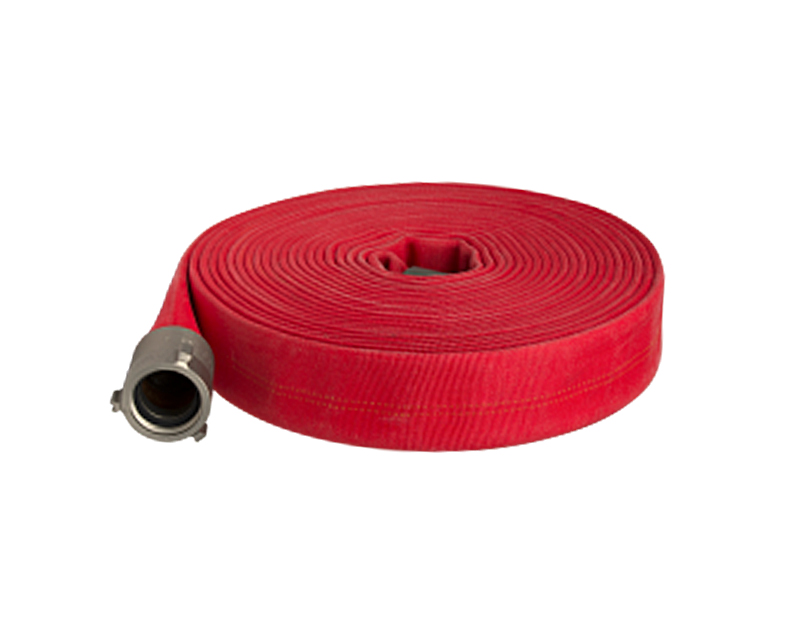
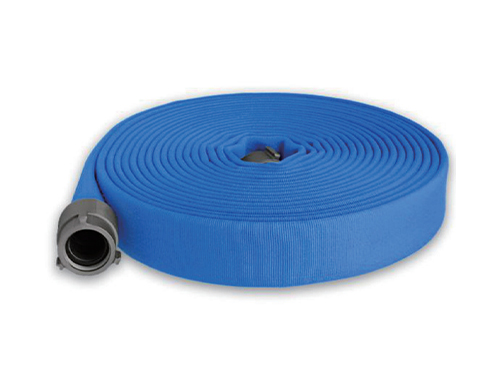
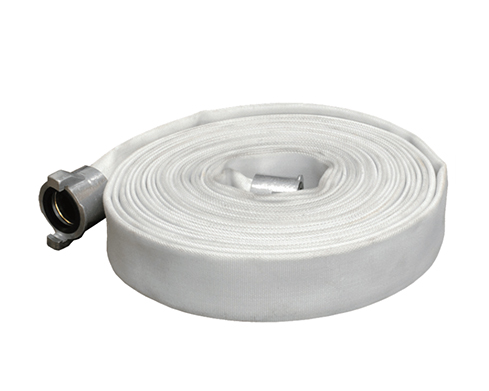
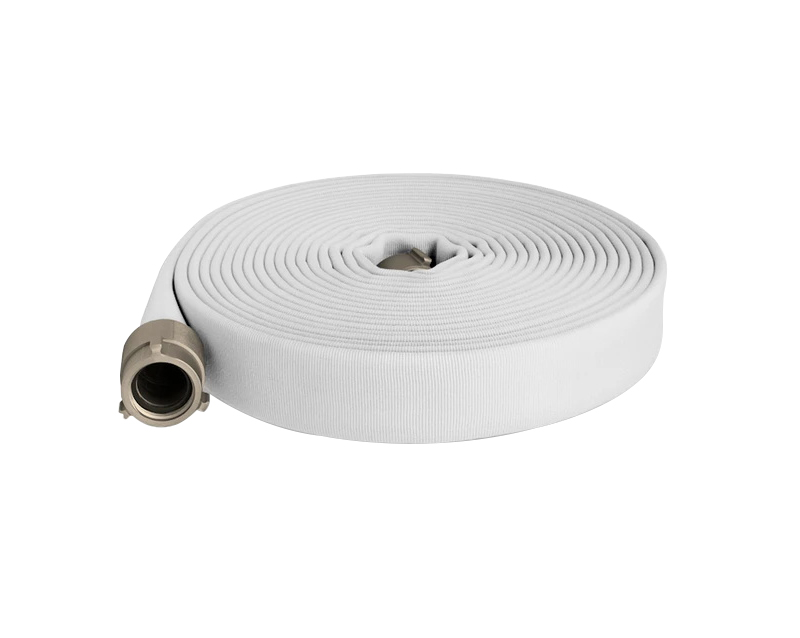
For professional firefighters, Fire Fighting Equipment is vastly more specialized and forms a complete ecosystem for response. This begins with Personal Protective Equipment (PPE), including turnout gear (helmets, coats, trousers, boots, and gloves) made from flame-resistant materials, and Self-Contained Breathing Apparatus (SCBA) to provide breathable air in toxic, smoky environments. The core of fireground operations involves water supply and delivery equipment: fire engines (apparatus) with powerful pumps, extensive lengths of fire hose, an array of nozzles for different stream patterns, and forcible entry tools like axes, halligan bars, and hydraulic spreaders. Technical rescue operations require additional Fire Fighting Equipment such as thermal imaging cameras, rope and harness systems, and extrication tools (jaws of life) for vehicle accidents.
The industrial and commercial sectors deploy specialized Fire Fighting Equipment tailored to their unique hazards. Facilities handling flammable liquids or gases may install large foam proportioning systems and fixed monitor nozzles. Data centers and areas with sensitive electronics often use clean agent gaseous suppression systems that extinguish fire without damaging equipment. Aircraft hangars, warehouses, and power generation plants utilize deluge sprinkler systems or specialized detection and suppression technologies. This specialized Fire Fighting Equipment is designed for rapid, automatic response to protect high-value assets and prevent catastrophic loss, and its selection and maintenance are core components of industrial safety planning and regulatory compliance.
Innovation in Fire Fighting Equipment is increasingly focused on integrating technology, enhancing firefighter safety, and improving environmental sustainability. Developments include the use of drones for aerial reconnaissance of fires, advanced materials for lighter and more heat-resistant PPE, and "smart" SCBA that monitor a firefighter's vital signs and location within a structure. As urban environments become more complex and climate-related fire risks evolve, the continuous advancement of Fire Fighting Equipment—from the simplest smoke detector to the lots of advanced fire truck—remains essential. It represents a critical investment in community resilience, ensuring that when a fire occurs, the tools for effective detection, suppression, and life safety are ready and capable of meeting the challenge.
 +86-576-83015055 / 13761638108
 Hutang Industrial Park, Taizhou City, Zhejiang,China.