
 English
 中文简体
中文简体

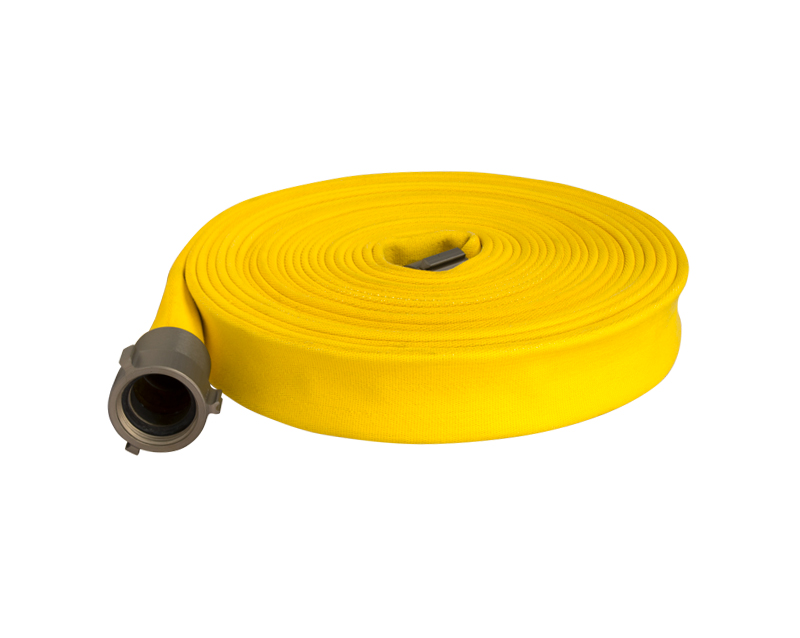
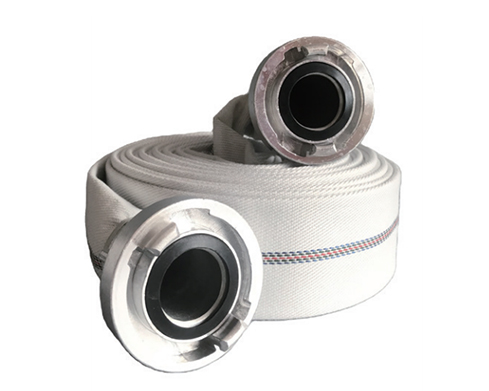
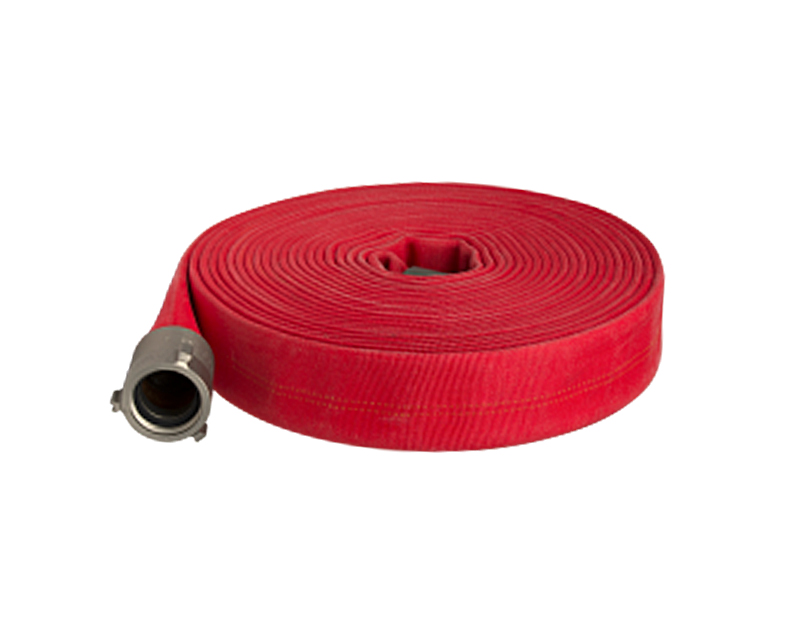
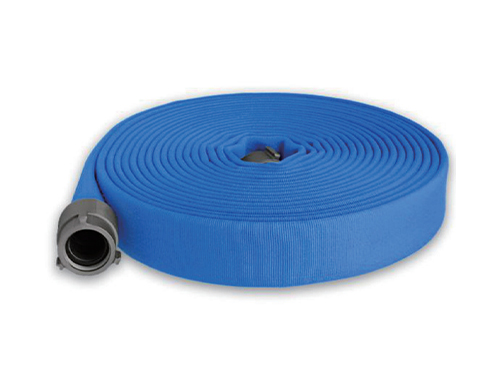
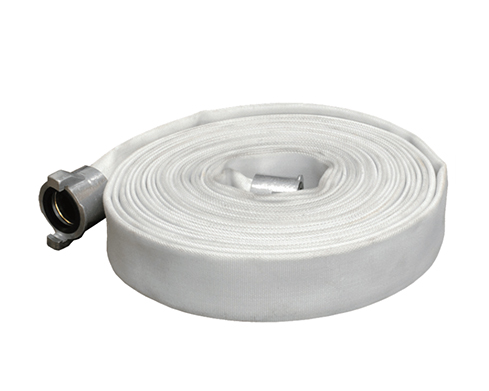
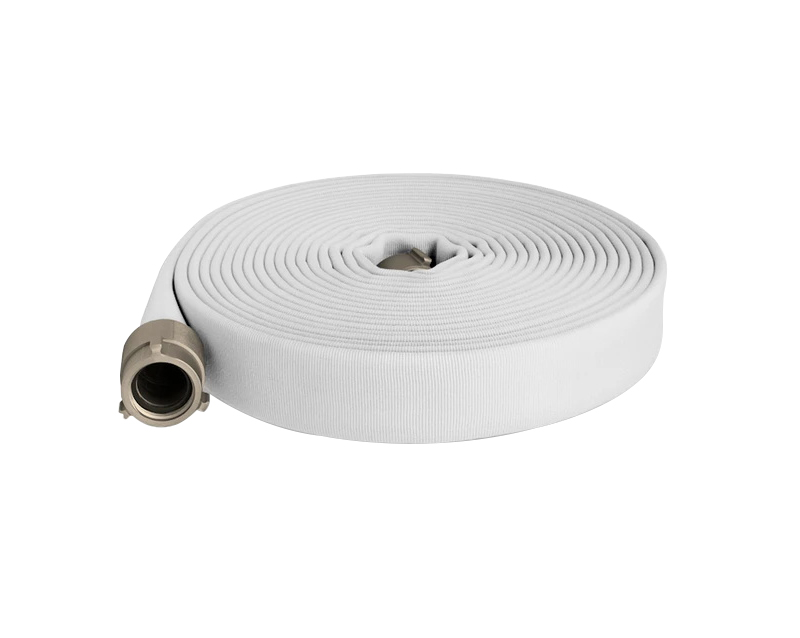
The rubber covered fire hose has become a standard equipment choice for municipal fire departments and industrial emergency response teams. Unlike canvas or textile-covered hoses that absorb water and become heavy, a rubber covered fire hose resists moisture absorption and remains lighter when wet. Firefighters have relied on the rubber covered fire hose for structural fire attacks, wildland operations, and industrial fire protection systems. The durability of a rubber covered fire hose against abrasion, chemicals, and heat explains its widespread adoption. Manufacturers continue to produce rubber covered fire hose in various diameters and lengths for different suppression needs.
Construction of a rubber covered fire hose includes multiple layers serving distinct functions. The inner tube of a rubber covered fire hose carries water or foam without leaking or degrading. Reinforcement layers within a rubber covered fire hose provide strength to withstand pump discharge pressures. The outer rubber cover of a rubber covered fire hose resists abrasion when dragged across pavement or debris. A bonded construction between layers of a rubber covered fire hose prevents separation under pressure. The total thickness of a rubber covered fire hose varies by pressure rating and diameter.
Reinforcement materials for a rubber covered fire hose affect both flexibility and pressure capability. A polyester yarn wrap in a rubber covered fire hose provides strength while maintaining flexibility for handling. A double polyester wrap in a rubber covered fire hose increases burst pressure for high-rise or industrial applications. A circular woven reinforcement in a rubber covered fire hose distributes stress evenly around the circumference. The number of reinforcement layers in a rubber covered fire hose determines its working pressure rating. A properly reinforced rubber covered fire hose returns to its original diameter after pressure release.
Pressure ratings for a rubber covered fire hose correspond to different firefighting applications. A 150 psi rubber covered fire hose suits interior structural attack where moderate flow rates are needed. A 200 to 250 psi rubber covered fire hose serves pumpers and standpipe systems with higher pressure demands. A 300 to 400 psi rubber covered fire hose provides margin for high-rise pumping or industrial hazards. The burst pressure of a rubber covered fire hose typically exceeds working pressure by a 3 to 1 safety factor. A test pressure applied to a rubber covered fire hose annually confirms its continued serviceability.
Diameter options for a rubber covered fire hose match flow requirements and handling considerations. A 1.5-inch rubber covered fire hose supplies attack lines for residential firefighting. A 1.75-inch rubber covered fire hose has become common for initial attack and backup lines. A 2.5-inch rubber covered fire hose provides higher flow for commercial or industrial fires. A 3-inch or larger rubber covered fire hose serves supply lines or master stream devices. The weight per foot of a rubber covered fire hose increases with diameter and pressure rating.
The rubber covered fire hose will likely continue as a primary tool for fire suppression. Advances in composite materials may produce rubber covered fire hose with lower weight at equivalent pressure ratings. For fire departments seeking reliable hose with good abrasion resistance, the rubber covered fire hose offers a proven solution.
 +86-576-83015055 / 13761638108
 Hutang Industrial Park, Taizhou City, Zhejiang,China.