
 English
 中文简体
中文简体

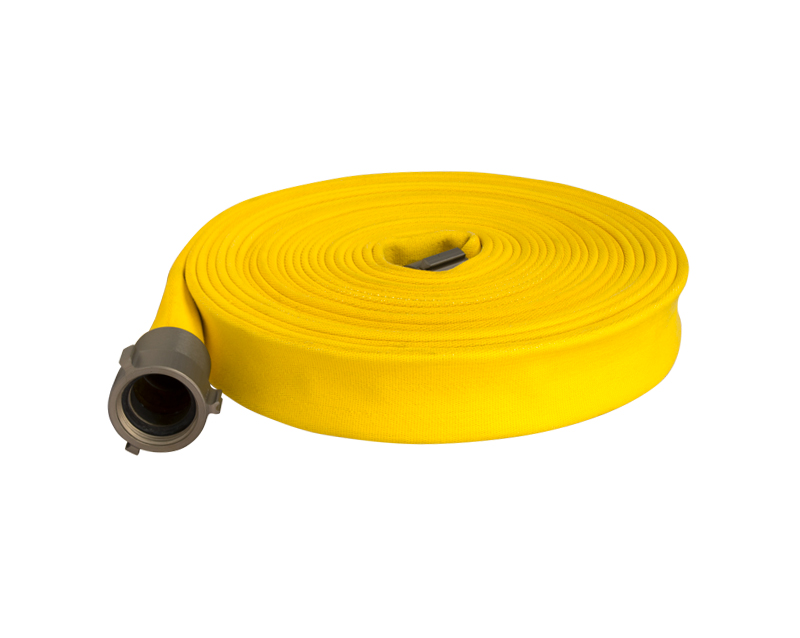
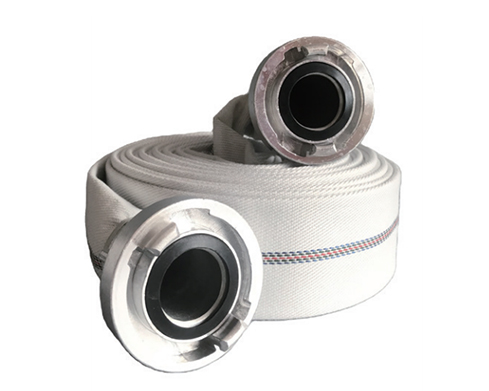
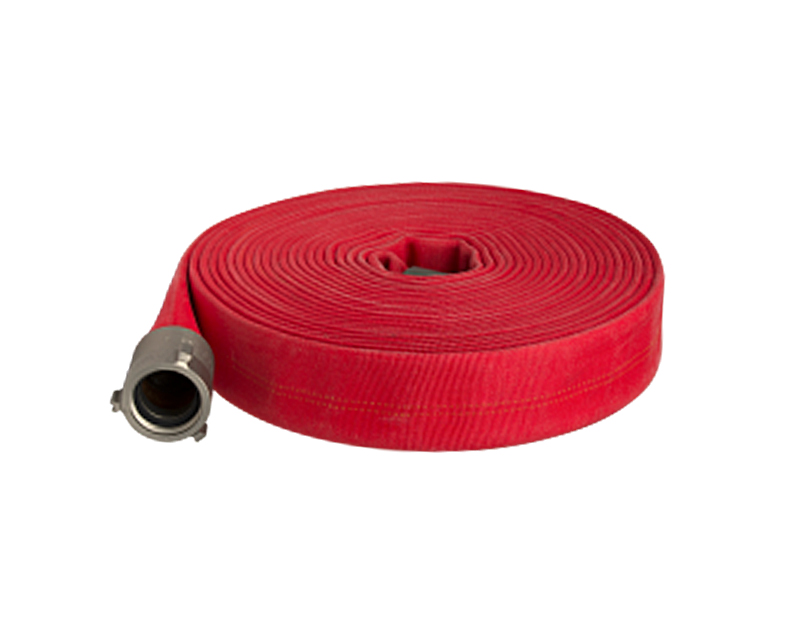
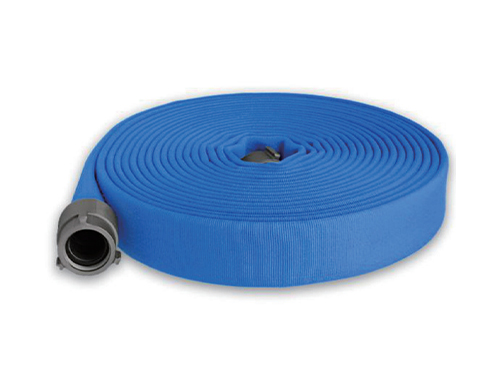
At the foundation of any effective fire attack is the hose line itself, and recent innovations in fire fighting hose products have focused heavily on weight reduction without compromising strength. Traditional hoses, while durable, imposed significant physical burden on firefighters who must drag them up stairs, through hallways, and around obstacles. Modern constructions utilize high-tenacity synthetic fibers that provide exceptional burst strength while reducing overall weight dramatically. This weight reduction translates directly to reduced fatigue, allowing firefighters to operate more effectively for longer periods during extended incidents.
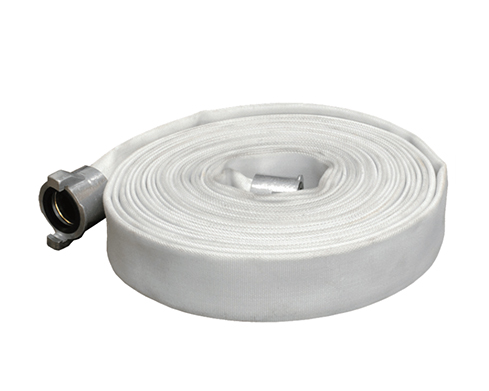
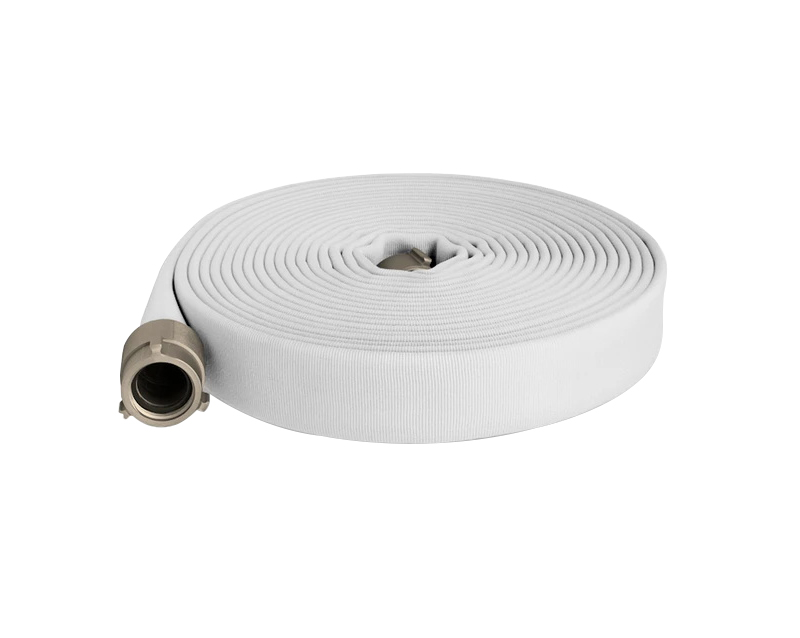
The construction of fire fighting hose products typically involves multiple layers, each serving a distinct purpose. The inner tube must be smooth to less friction loss, allowing water to travel long distances with maintained pressure. It must also resist chemical degradation from the various substances encountered in modern fire environments. Surrounding this tube is a reinforcement layer, often braided or woven from synthetic fibers that provide the strength to contain high-pressure water. The outer cover protects against abrasion, heat, and exposure to chemicals and debris. Advances in each of these layers have contributed to overall performance improvements in fire fighting hose products.
Abrasion resistance has emerged as a critical attribute in fire fighting hose products. During structural firefighting, hoses are dragged across broken glass, sharp debris, and rough surfaces that would quickly destroy lesser materials. Modern outer jackets incorporate fibers and coatings specifically formulated to resist cutting and wear, extending service life in the demanding fireground environment.
Heat resistance represents another important characteristic of fire fighting hose products. While hoses are filled with water that provides some cooling, the exterior may be exposed to intense radiant heat or brief flame contact. Advanced materials maintain their integrity under these conditions, resisting melting or degradation that could cause catastrophic failure. Thermal barriers within the hose construction slow heat transfer to the water inside, maintaining cooling capacity and preventing steam formation within the hose itself.
Coupling technology has advanced alongside hose construction in fire fighting hose products. The connectors that join hose sections and attach to hydrants, pumps, and nozzles must create secure connections that can be established rapidly under stressful conditions. Modern couplings utilize lightweight alloys that resist corrosion while remaining easy to handle with gloved hands. Innovative locking mechanisms prevent accidental disconnection during operation, while standardized thread patterns ensure compatibility across different equipment sources. Some fire fighting hose products now feature Storz couplings, which connect with a simple quarter-turn motion without requiring threads to align, saving precious seconds during initial attack.
Testing and certification ensure that fire fighting hose products meet rigorous standards before reaching the field. Hydrostatic testing subjects hoses to pressures well beyond their rated capacity, verifying structural integrity and identifying potential weaknesses. Couplings undergo pull testing to confirm they will remain connected under operational forces. These quality assurance measures provide confidence that equipment will perform as expected during actual emergencies, when failure is not an option.
As firefighting challenges continue to evolve with changing societal and environmental conditions, fire fighting hose products will undoubtedly advance in response. The commitment to protecting lives and property through reliable, effective equipment ensures ongoing innovation in this important field of firefighting technology.
 +86-576-83015055 / 13761638108
 Hutang Industrial Park, Taizhou City, Zhejiang,China.